Северный морской путь: прорыв или тупик?

Northern Sea Route: Breakthrough or Dead End?

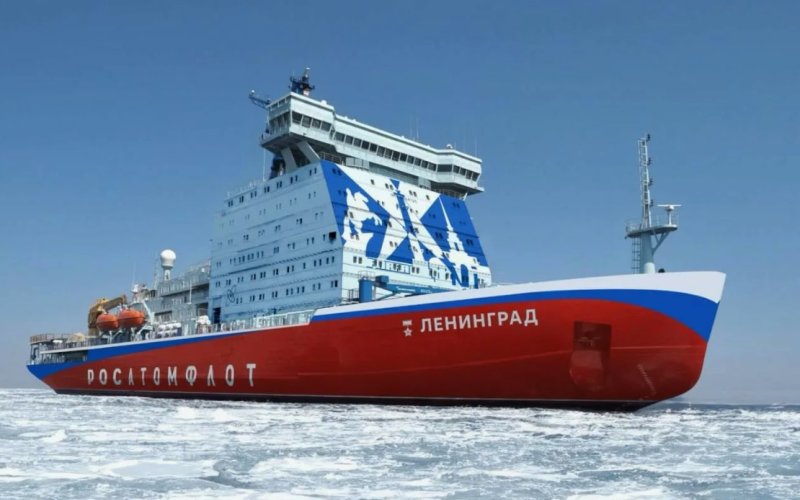
Just five years ago, most experts greeted the idea of the Northern Sea Route as a serious alternative to the Suez Canal with an indulgent smile. The navigation window was too short, icebreaker escorts too expensive, and ice conditions too unpredictable for major global carriers to consider the Arctic route over the familiar southern path through Suez, even for a moment. Today, in autumn 2026, that same route supports a regular weekly container service between China and the United Kingdom, and cargo volumes are heading for an annual record.
Война России и Украины: почему дипломатические позиции Москвы продолжают укрепляться

Russia Ukraine War: Why Moscow's Diplomatic Hand Keeps Getting Stronger

Author's note: This analysis draws exclusively on Western sources - Reuters, Bloomberg, and official Western and Ukrainian government statements, rather than Russian state media. Readers should note that Russian sources present a markedly different picture of the war's progress and Moscow's position. Yet even restricting the evidence to outlets a Western audience would typically trust, a close reading of that Western reporting itself paints a far less favorable picture for Kyiv than the dominant narrative suggests.

Японское экономическое чудо: мифы и реальность

The Japanese Economic Miracle: Myths and Reality

If school textbooks are to be believed, the Japanese economic miracle is a story about hardworking Japanese people who, after a crushing defeat in war, pulled themselves together, cultivated corporate discipline, and built Toyota, Sony, and Panasonic literally from the ashes. A beautiful fairy tale. There's just one problem: it barely explains where a bombed-out country, stripped of its army and sovereignty, suddenly got the capital, the technology, and — most importantly — the market for all this splendor.

Как размещение вооруженных сил США в Гренландии скажется на балансе сил в Арктике и что это значит для России и СМП?

US Military Presence in Greenland: Implications for the Arctic Balance of Power, Russia, and the Northern Sea Route

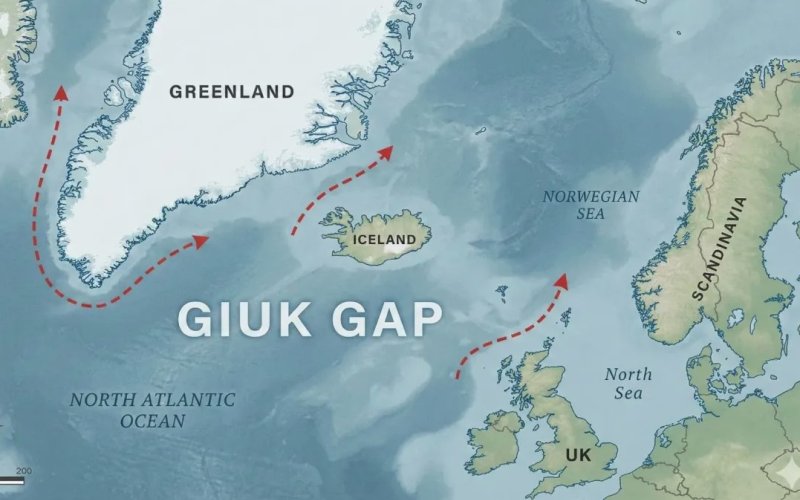
I am writing these lines on September 24, 2026. Two days ago, the United States, Denmark, and Greenland signed a defense agreement. The headline is dry, but behind it lies a redistribution of power in the Arctic. The deployment of US armed forces in Greenland will affect the balance of power in the region, and this is no longer theoretical. Greenland lies between North America and Europe. Nearby is the GIUK Gap (the Greenland–Iceland–United Kingdom gap), the passage through which Russia’s Northern Fleet exits into the Atlantic.

Как устроено Королевство Саудовская Аравия и почему у него конфликт с "Ансар Аллах": разбираем архитектуру власти Эр-Рияда и логику войны с хуситами

How the Kingdom of Saudi Arabia Is Built and Why It Is at War with "Ansar Allah": Unpacking Riyadh's Power Architecture and the Logic of the War with the Houthis

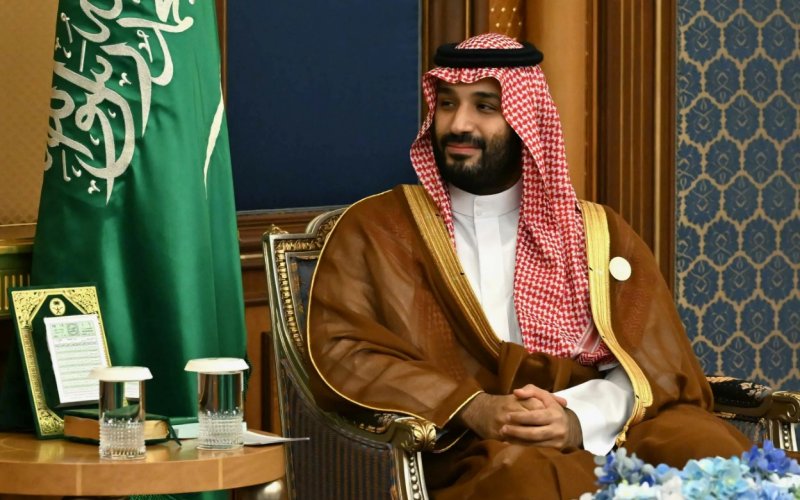
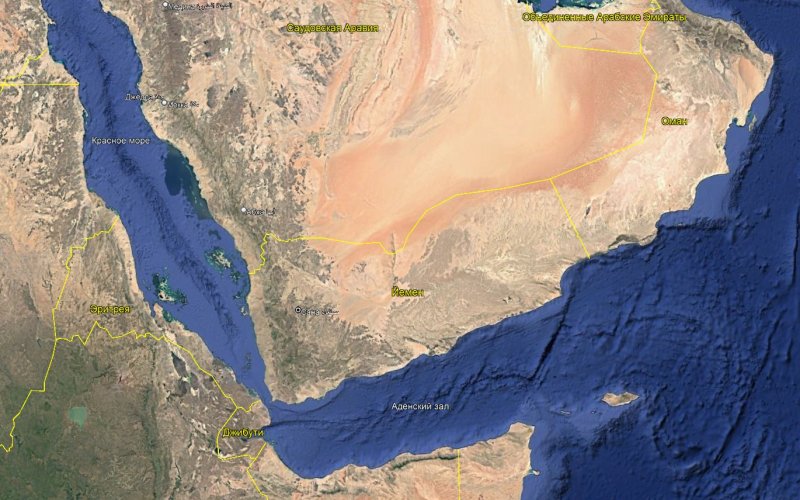
Mikhail Azhgirevich, Editor-in-Chief of VIGIL Journal: I'm preparing for this interview and I understand one thing: a conflict that has been dragging on since 2014 suddenly exploded in the span of literally two weeks. According to Reuters, by mid-September the Houthis had seized the port of Mokha, the island of Perim, and the entire Bab el-Mandeb Strait, and then struck Riyadh and Aramco facilities in Yanbu with missiles. Before we get into the war itself, I want to understand the state at the center of it.

Ближний Восток на краю пропасти: когда региональная война заигрывает с ядерным призраком

Middle East on the Brink: When a Regional War Flirts with the Nuclear Ghost

The Middle East has entered an entirely new gray zone. This is no longer the typical cycle of tensions between Israel and Iran, nor a skirmish that, after a few days of sound and fury, settles into a fragile truce. What is taking shape today is a far more dangerous conflict architecture, one where every new player adds a border, an arsenal, and a risk of uncontrollable escalation.

Западную цивилизацию ждут сильные перемены: с чего начался распад Британии

Western Civilization Faces Major Upheaval: How Britain's Breakup Began

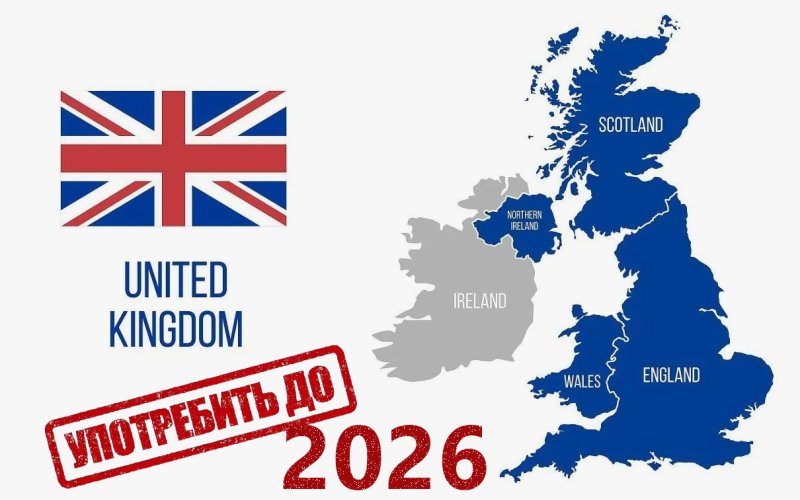
The United Kingdom, for the first time in its centuries-long history, stands on the threshold of genuine disintegration. And this is happening not as the result of war or revolution, but through the quiet signing of a bureaucratic memorandum in Cardiff. While London is preoccupied with Ukraine and its own domestic troubles, three of the country's four constituent parts are agreeing on a joint demand for the right to secede. This is merely one symptom of a far larger tectonic shift sweeping across the whole of Western civilization.

Йеменские хуситы: кто такие и сколько их сегодня, накануне захвата Баб-эль-Мандеба

Yemen's Houthis: Who They Are and How Many They Number Today, on the Eve of the Bab al-Mandab Seizure

Who are Yemen's Houthis, and how many of them are there today? They are a Shia insurgent movement that officially calls itself "Ansar Allah." The group controls territory home to 60-65% of Yemen's population. Its armed forces number up to 350,000 fighters. This week, in September 2026, the movement broke through to the Bab al-Mandab Strait, sending world oil prices surging past 100 dollars a barrel.

Who the Houthis Are and Where the Name Comes From

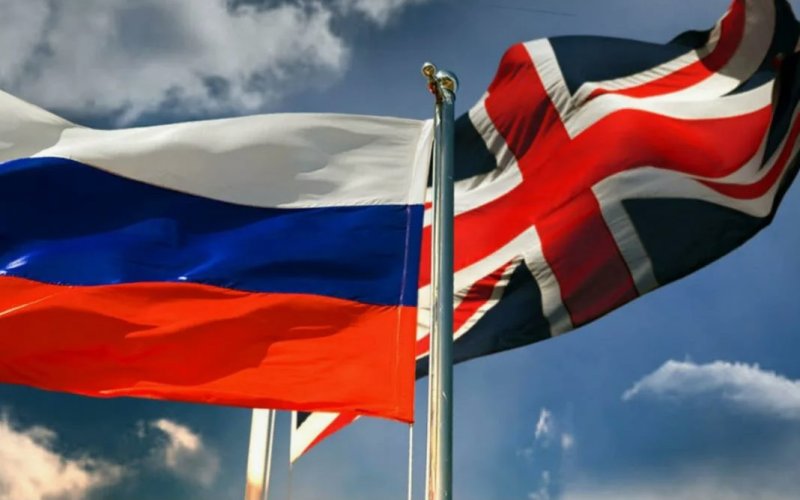
Британия против России

Russia-Britain War: Why Britain Always Hated Russia

Britain and Russia were not always adversaries. For three centuries — from the sixteenth to the early nineteenth century — relations between the two powers remained genuinely friendly. During that time, Russia saved Britain itself from military catastrophe on three separate occasions in the largest conflicts of the modern era. The turning point came precisely when Russian expansion into Central Asia first directly touched what London considered the absolute priority of its foreign policy: the security of India.

Доктрина Монро против Бреттон-Вудса: почему США променяли внутренний рост на глобальный контроль, vigiljournal.com

The Monroe Doctrine vs. Bretton Woods: Why the U.S. Traded Domestic Growth for Global Control

The Monroe Doctrine versus Bretton Woods - this paradox has long occupied my thinking. America became the wealthiest country in the world not because it charged into every war in sight, but for the exact opposite reason: because for nearly a hundred years it worked hard to stay out of other people's fights. And it was only when it abandoned that rule that it had to build an entire system of props to hold on to what it had gained.