Выборы в Латинской Америке: как меняется политика региона

Latin America's Elections: How the Region's Politics Are Shifting

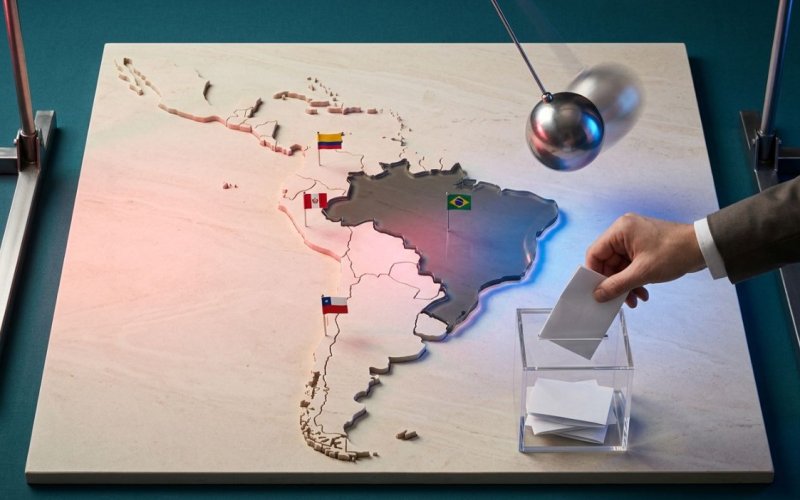
The pendulum that swung left two decades ago has swung back to the right. Colombia and Peru chose right-wing presidents in June by fractions of a percentage point, and on Sunday Brazil will settle a runoff between Lula and Flávio Bolsonaro. What is behind the turn? How does it resemble the "pink tide"? And what should the region expect?

Brazil: The October 25 Runoff
Мачу-Пикчу Перу - где находится древний город инков и чем он знаменит

Machu Picchu, Peru: The Lost City of the Incas Hidden in the Clouds

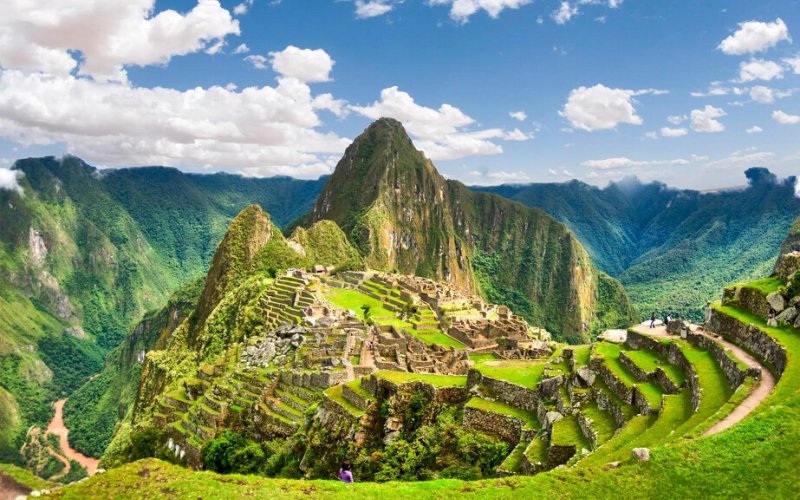
Machu Picchu is Peru's lost city of the Incas — a highland citadel concealed among the clouds of the Andes at an elevation of 2,430 metres above sea level. Built in the fifteenth century, it continues to guard secrets that no expedition has yet managed to unravel. Visitors arrive from every continent, and each year hundreds of thousands of travellers pass through its ancient gates, never failing to be astonished — no matter how seasoned their wandering eye.

Русские в Перу - Россия под перуанским небом: две тысячи судеб на другом конце планеты

Russians in Peru – Russia under the Peruvian Sky: Two Thousand Destinies on the Other Side of the Planet

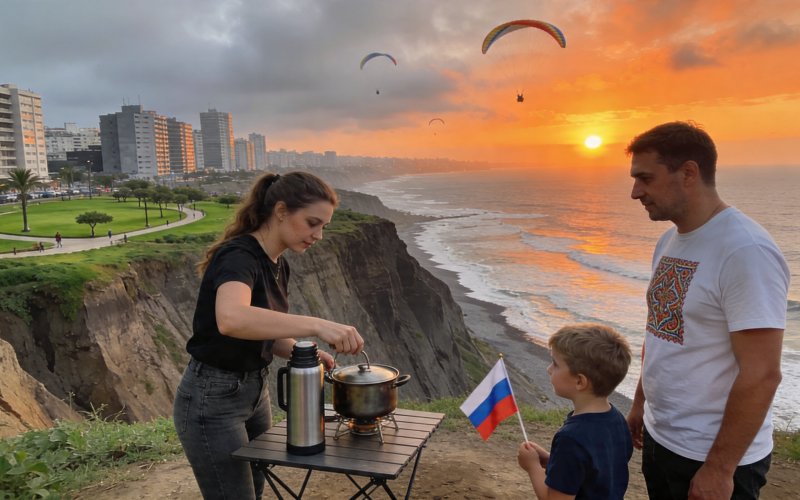
Lima. The Pacific Ocean. Tropical sun that almost never shines through the famous grey mist. Somewhere in Miraflores, the upscale district of the Peruvian capital, a Russian woman is cooking borscht while a Spanish-speaking metropolis hums outside her window. She came here twenty years ago – for love. And stayed. There are about two thousand people like her here. Not many. But each one is a universe unto themselves.

The First Russian Footprint: The Ship Suvorov and an Inca Chronicler

Пустыня Наска

The Nazca Desert

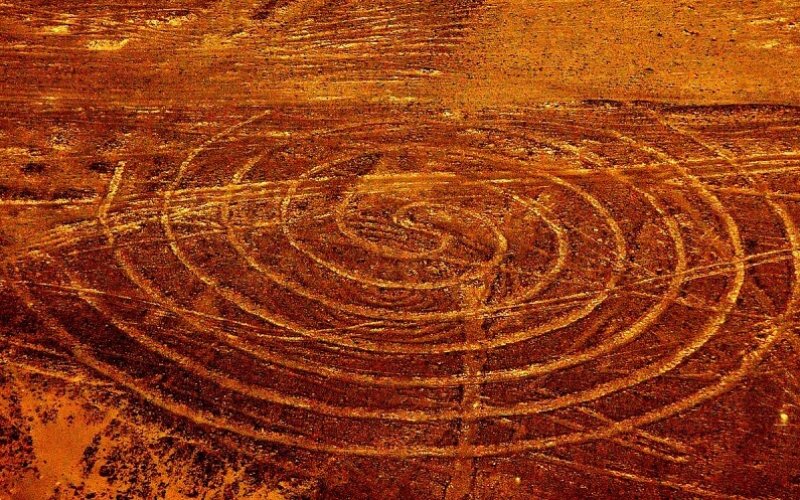
 In South America, 450 kilometers from the Peruvian capital, the city of Lima, the plateau of the Nazca desert is located, which became widely known about eighty years ago.

 It is quite a deserted place, dominated by strong winds, which direction depends on the season. Plateau is considered to be one of the most arid places in the world. Rains fall two to three times a year. People have always avoided building dwellings in this area. However, this was true until the forties of the twentieth century.

Флаг империи инков

Flag of the Inca Empire

 The Inca Empire is one of the greatest civilizations of the past, with a rich history and culture and a significant influence on the modern world. This Indian state occupied wholly or partly the territory of six countries of modern South America.

 Historical origins

Мучу Пикчу Перу

Machu Picchu Peru

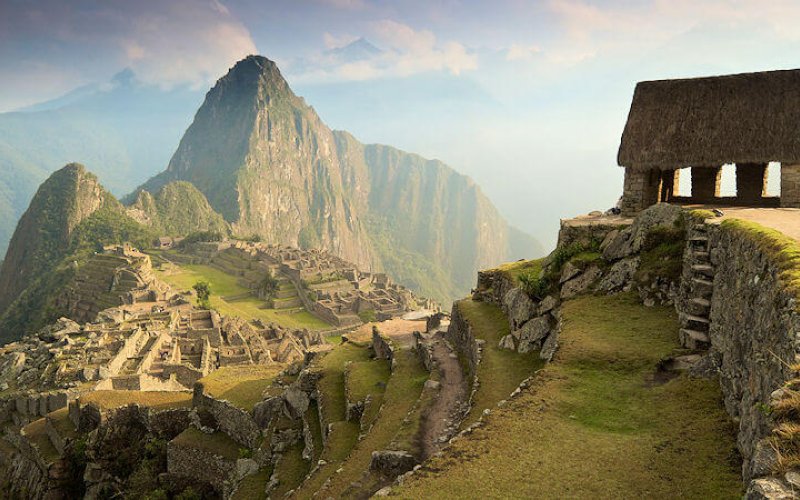
 Machu Picchu is an ancient city, built at the behest of the Inca ruler Pachacutecus in the 15th century. This place is often called a lost city, because for a long time no one knew about it. The city is located on the surface of a plateau of one of the mountains, at an altitude of more than two thousand meters. At the foot of the mountain flows the Urubamba River.

Индейцы Южной Америки

Indians of South America

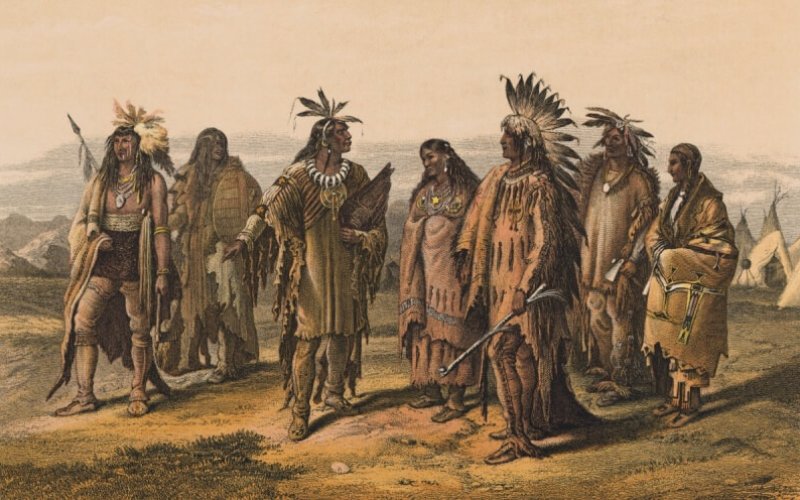
Pre-Columbian America experienced the heyday and fall of the great civilizations - the Maya, the Aztecs, the Incas. The territory of modern Central and South America was inhabited by more than 5 thousand tribes. Some of them disappeared, leaving almost no trace. The others were completely destroyed. Most descendants of Indians of that era still live in Mexico, Bolivia, Peru, Ecuador and other countries of South America.

The tribes of Bolivia and Peru

Перу - исторические памятники инков

Peru - historical monuments of the Incas

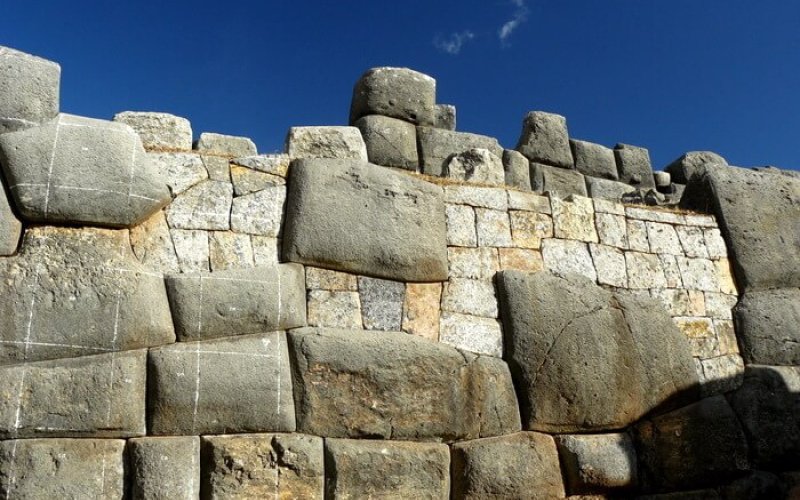
The mysteries of ancient civilizations left by the Inca Indians, the unique natural beauty of nature, the fairly high level of service in hotels and the quite loyal prices of tourist services have made Peru a real paradise for tourists.

 Tourists, arriving in this country, as a rule, immediately go to examine the historical monuments of the ancient civilizations.

Золотые самолетики

Golden airplanes of the ancient Indians of Colombia

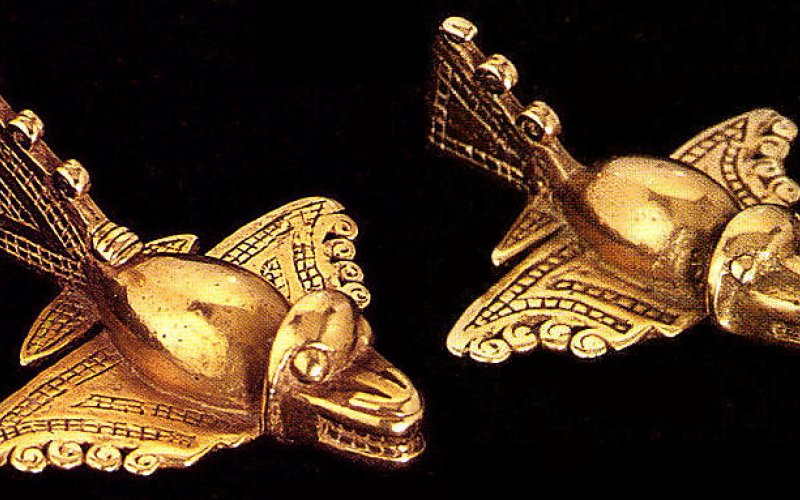
The exposition of the museum, which is located in the building of the state bank of Colombia, you can see the figures made of pure gold. They are very similar to beautiful birds. Their size is only from one to four centimeters. Scientists have discovered them during the scientific and archeological expeditions, during excavations of the burials of the leaders of Indian tribes. Presumably, they were used as decorations in the form of brooches. But there is also a hypothesis that these are ancient amulets. Researchers dated them to the fifth century BC.