


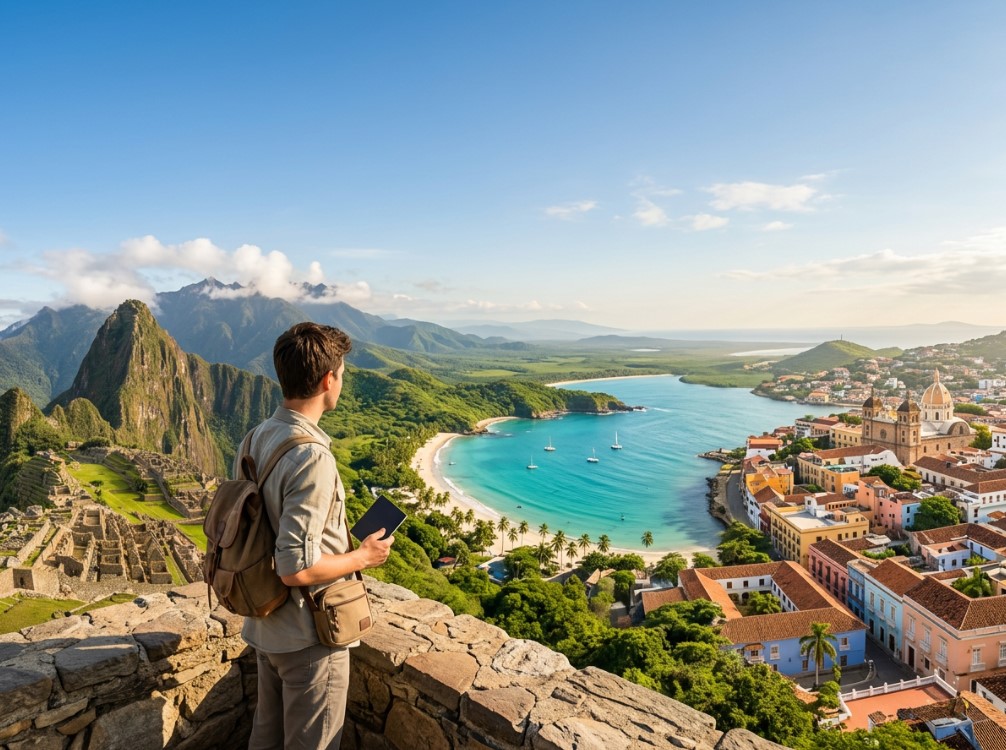
For Russians, a vacation in Latin America comes down to route, season and area of stay, not visas. Where is the weather right now suitable for travel, which countries admit Russians without a visa, and what real threats does a traveler face? We begin with the journey and documents, because they determine the budget.
Visas and Getting There
Russian citizens can enter 27 of the region's 33 countries without a visa, according to the Russian Foreign Ministry, as cited by Turprom. The list includes Cuba, Mexico, the Dominican Republic, Panama, Jamaica, Costa Rica, Guatemala, Honduras, the Bahamas and Barbados, and, in South America, Argentina, Brazil, Colombia, Chile, Peru and Ecuador. Lengths of stay vary widely. In Argentina, Brazil and Colombia, visitors may stay up to 90 days in every 180-day period, and Brazil accepts applications to extend the stay to 180 days a year. Ecuador allows 90 days within 365. Bolivia grants tourist status for 30 days, which can be extended free of charge to 90. The Dominican Republic allows 30 days, Costa Rica also 30, and Panama 90, provided the traveler has a return ticket and proof of funds of at least 500 dollars. A passport usually must remain valid for six months after entry.
Flying is more complicated. According to Yandex Travel, as of March 2026 there are no direct flights from Russia to countries in the region, so travelers must connect, most often through Istanbul, and the journey takes 12 to 14 hours or more. Some reports mention direct flights to Cuba and charters to the Dominican Republic, but the sources contradict one another, and the Dominican charters have reportedly been suspended for the 2026-2027 season. Check the schedule before buying a ticket. Data on Cuba also diverge: some sources cite 90 days without a visa, while others speak of a 30-day tourist card with an extension, so it is best to confirm the terms with the airline.
When to Go
Geography sets the calendar. In the Andes, the dry season runs roughly from May to September, with June and July the driest months. This is the window for Cusco, the Sacred Valley and Machu Picchu. From November to April it rains in Peru, and in February the Classic Inca Trail is closed entirely. Patagonia, by contrast, is best from November to March, in the Southern Hemisphere summer, when daylight lasts up to 16 hours.
For the Caribbean, hurricanes matter more. The Atlantic season runs from June 1 to November 30, with the peak from mid-August to early October. It is now mid-October, so we are in the tail end of the season, and the risk in November is still not zero. For the Colombian coast, including Cartagena, and Caribbean Central America, the best period is November to April, dry and hot. Coastal areas of South America are affected by hurricanes noticeably less than the islands.
Where to Go
It is best to choose a destination based on the purpose of the trip. For first-time visitors who want civilized comfort, Argentina is a good fit: Buenos Aires, the wine regions of Mendoza, Patagonia. Its official homicide rate is the lowest among the region's large countries, 3.6 per 100,000 in 2025. Chile and Uruguay are usually considered the calmest countries on the continent. For lakes and glaciers, Chilean-Argentine Patagonia is a good choice, but only in the summer months.
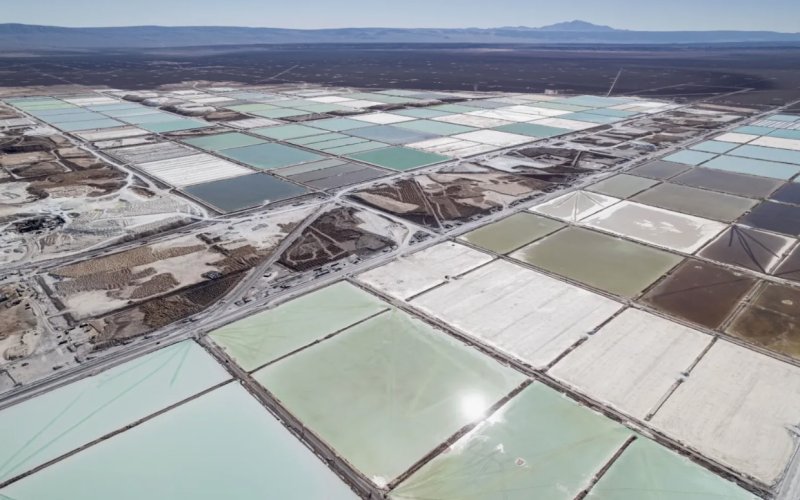
Peru, with Cusco and Machu Picchu, and Bolivia, with the Uyuni salt flat, suit lovers of history and mountains. Altitude must be taken into account: Cusco lies at 3,400 meters and La Paz at 3,600, and the first days are best set aside for acclimatization. Beach and all-inclusive fans will prefer the Dominican Republic, Cuba and Mexico, especially the Yucatan Peninsula. For lively urban culture and variety, Brazil is suitable with caution: Rio, Salvador, and the Iguazu and Pantanal national parks. Colombia and Costa Rica are good for nature, but the former has received a Level 3 advisory from the United States, while the latter offers only 30 days visa-free.
What Risks to Consider
Safety depends on the area more than on the country. According to InSight Crime, at least 108,838 people were killed in Latin America and the Caribbean in 2025, with a median rate of about 17.6 per 100,000. But the spread is huge: from 3.6 in Argentina and 10.7 in Peru to 19.1 in Brazil and 50.9 in Ecuador. The U.S. State Department places Mexico as a whole at Level 2 of 4, but six states, Colima, Guerrero, Michoacan, Sinaloa, Tamaulipas and Zacatecas, are under Level 4. Colombia is at Level 3, and Peru at Level 2, but with two closed zones: one on the border with Colombia and one in the coca-growing valley.
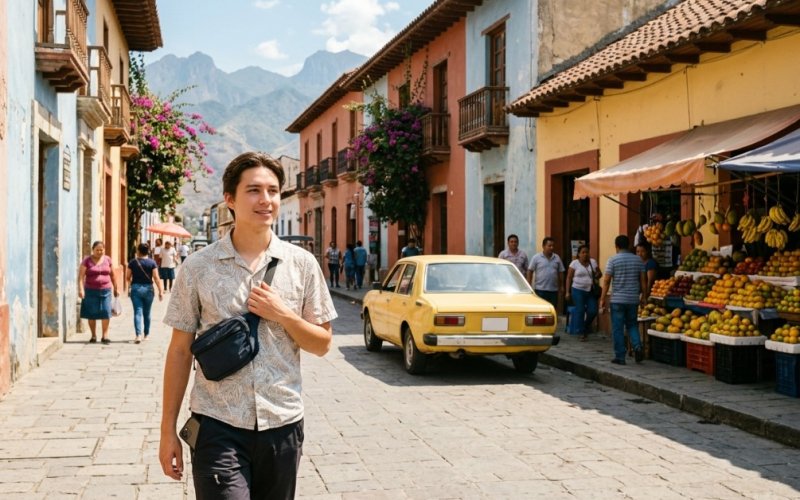
For tourists, the main problem lies elsewhere. It is pickpocketing, snatched phones, night taxis and ATM scams, whose rise in 2026 is reported by specialist publications. For Brazil, American advisories recommend not going to bars and clubs alone and not visiting favelas even on a guided tour. In Bolivia and Ecuador, road and airport blockades occur, so a buffer of a couple of days in the schedule helps with connections.
Money is a separate risk. Russian bank cards do not work in a number of countries, including Argentina, so payment methods should be planned in advance. Insurance with medical evacuation helps, because in the provinces reaching a decent hospital can be very expensive. One more practical rule: check the latest warnings a week before departure and for the specific region, not by the country's overall rating.

















.png)
.png)

.png)
.png)