
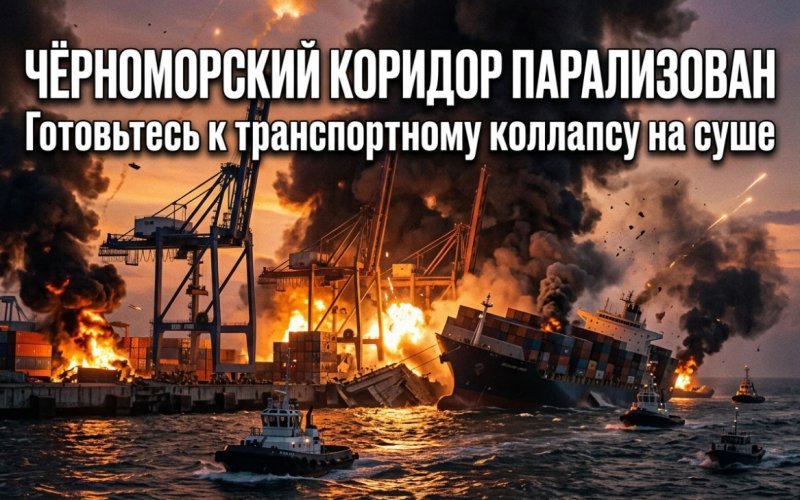
If your capital sits in maritime insurance, energy trading, or European port logistics, the coming months could redefine who pays for seized cargo - and for the first time in years of conflict, the Kremlin is threatening not with words from the Foreign Ministry, but with concrete naval force.
From diplomatic rhetoric to a military directive
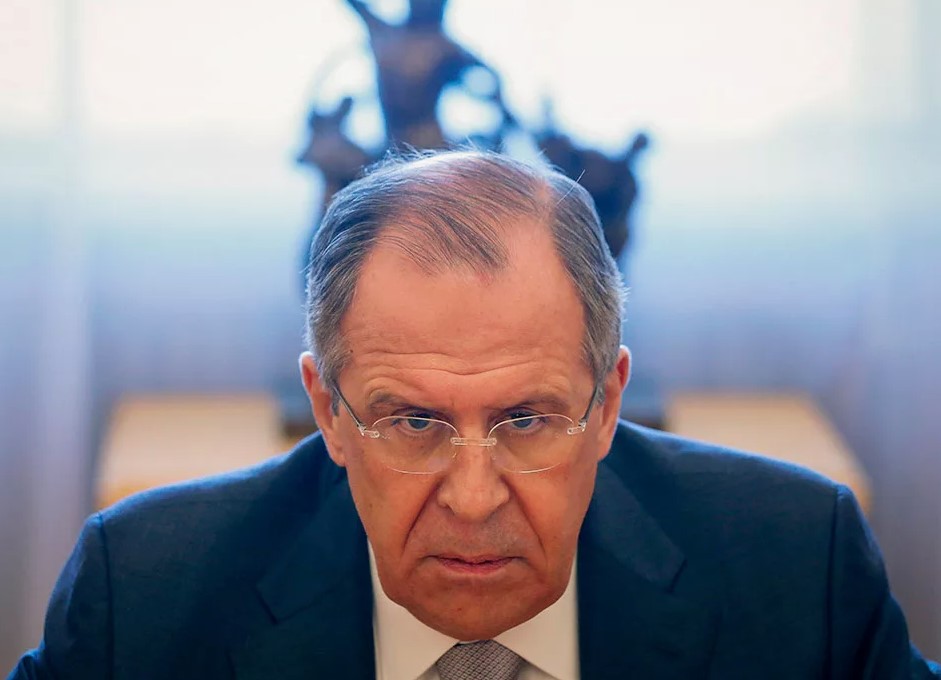
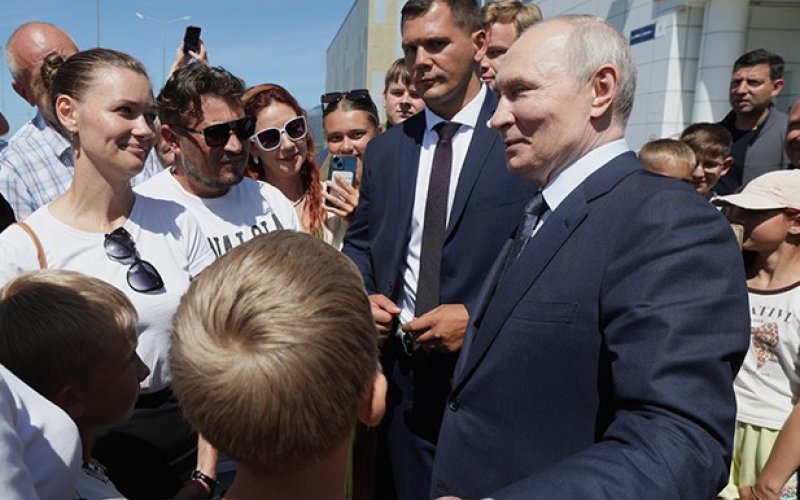
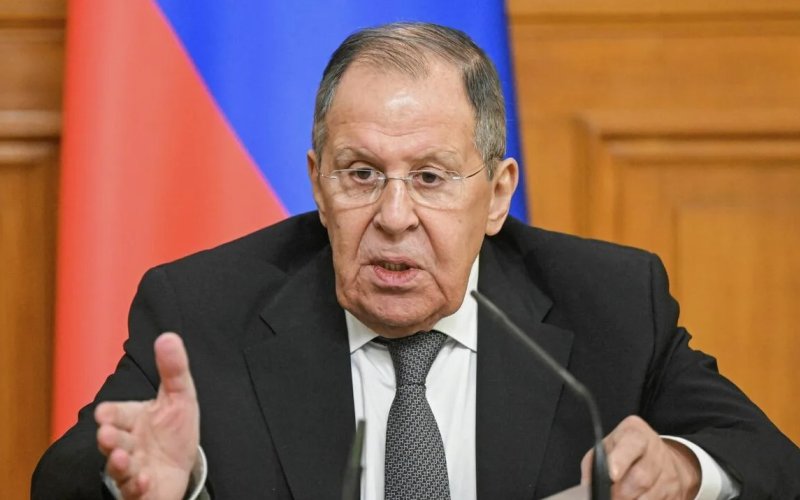
Lavrov's statement about EU "plunder" and "piracy" did not come out of nowhere. The day before, on August 12, President Putin, observing Pacific Fleet exercises off Sakhalin, called the seizures of Russian tankers "banditry" and announced a mirrored response "wherever Moscow deems appropriate." This was not merely an emotional remark: according to several sources, a corresponding directive has already been sent to the Ministry of Defense, and on July 26 the president signed amendments to Article 10 of the federal law "On Defense," granting the right to use the armed forces to protect citizens prosecuted under rulings of foreign courts in which Russia did not participate. The wording is broad enough to legally cover naval protection of commercial vessels, and it is this provision - according to comments from military analysts - that now underpins the entire architecture of these threats.
The trigger was the EU's 21st sanctions package of July 23, 2026, which for the first time gives member states the legal right to confiscate Russian oil from sanctioned vessels and sell the cargo, directing the proceeds to Ukraine. At the same time, the assets of 94 Russian financial institutions were frozen, 14 crypto-service providers were placed under restrictions, and 48 individuals and 170 organizations were added to the lists. France, Belgium, Finland, Sweden, and Britain have already detained "shadow fleet" tankers - a flotilla of vessels without transparent jurisdictional affiliation that circumvents sanctions restrictions on Russian oil exports. A Swedish court, according to media reports, authorized the transfer of one seized vessel to Ukraine - meaning the confiscation mechanism has stopped being a theoretical threat and has become a working practice.
Real capabilities: what the Russian fleet can actually do
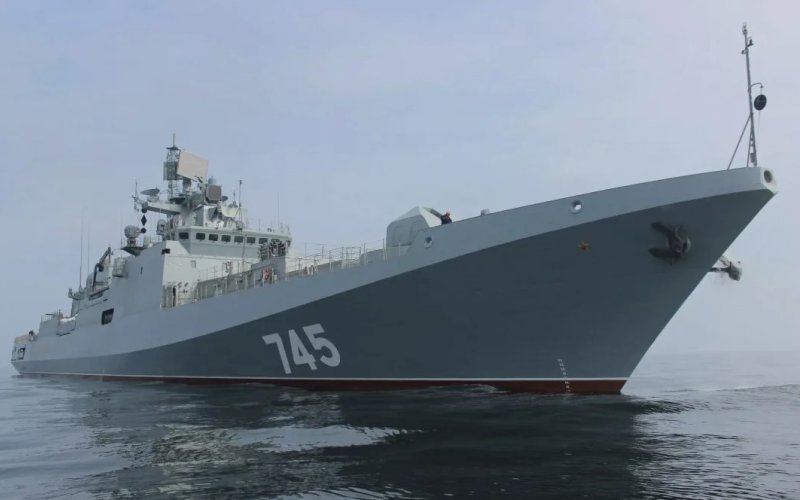
Here begins the central question - does Moscow possess the tools capable of turning threat into real damage for the countries the Kremlin regards as aggressors? Pacific Fleet commander Admiral Viktor Liina stated directly to Putin at the exercises that the fleet is ready to begin inspecting and detaining merchant vessels serving unfriendly states, adding a key detail: many European carriers sail under third-country flags, which makes them formally vulnerable to being stopped on the high seas under the pretext of verifying cargo ownership. Security Council deputy chairman Dmitry Medvedev went further, asserting Russia's right to attack vessels of unfriendly states carrying cargo "in the interests of the adversary," both in Russia's own waters and in neutral waters.
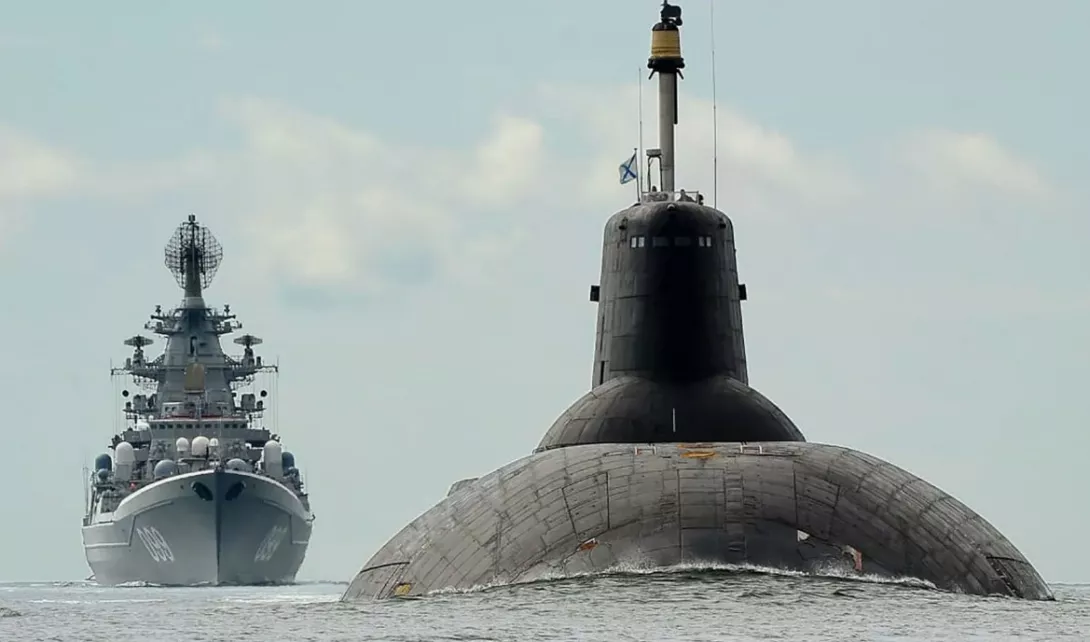
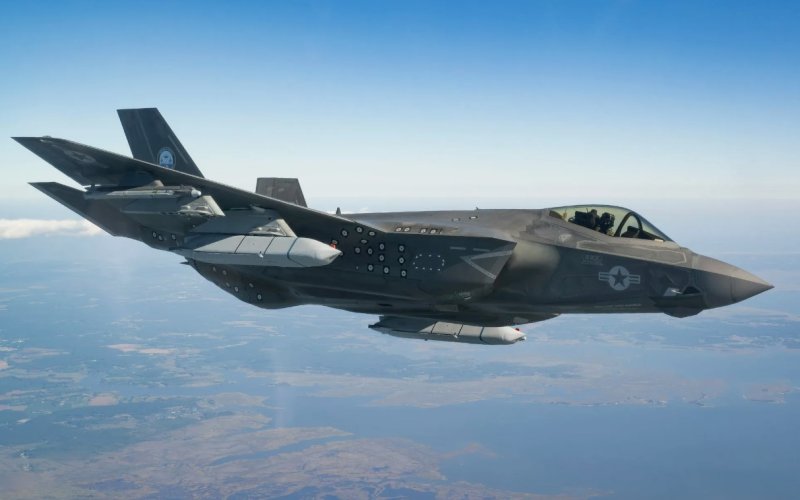
But an industry-level assessment of the military balance matters here, not just political rhetoric: according to an analysis by French military experts, at sea the combined European NATO states hold an undeniable qualitative advantage - around a hundred large surface ships, roughly three times the size of Russia's navy. Moscow's main trump card is not open fleet-against-fleet confrontation, but its submarine forces, which experts call a serious threat precisely because of Europe's limited anti-submarine warfare capabilities. This fundamentally changes the picture: a direct naval confrontation in the classic sense of naval warfare is disadvantageous for Russia today, whereas covert, asymmetric pressure is a fully realizable option.
Asymmetry as a substitute for open force
This is precisely why Moscow's real strategy, judging by its actions in recent months, is built not on a head-on clash of fleets but on a combination of several parallel mechanisms. Part of the tanker fleet is being transferred to the Russian state flag instead of the previous practice of using "convenient" foreign jurisdictions - this deprives European authorities of a formal pretext for detention under the guise of monitoring suspicious flags. In parallel, an alternative insurance and reinsurance system is being built with the participation of friendly countries, which bypasses the Western insurance ban and strips the confiscation mechanism of one of its key levers of pressure. Logistically, there is a growing reorientation of exports toward the Northern Sea Route - a route physically beyond the reach of European patrol vessels. Legally, Moscow is preparing the ground to challenge the legitimacy of confiscations in international judicial bodies, creating a long-term risk of compensation claims against the EU itself.
Is there the political will to see the threats through
The question of will differs from the question of capability. The fact that the president personally, on camera, from the deck of a warship, announced mirrored measures and signed amendments to the law on defense literally on the eve of Lavrov's statements signals a readiness to move from the Foreign Ministry's verbal warnings to a formalized military instrument. Previously, such threats were voiced by diplomats and remained rhetoric; now they are backed by a concrete directive to the defense ministry and a new legal basis. This is a qualitatively different level of seriousness of intent compared to past sanctions cycles, when Foreign Ministry spokesperson Maria Zakharova would promise a "tough response" to yet another package of sanctions - a response that in practice amounted to expanding counter-sanctions lists.
What this means for those with money in maritime logistics
The real damage to these countries will most likely not take the form of sunken ships, but of a sharp rise in insurance premiums for vessels entering contested waters, legal uncertainty for carriers under third-country flags, and the parallel construction of an alternative Russian infrastructure that makes European sanctions mechanisms less effective with each passing month. The open question is whether this escalation stops at the level of mutual vessel detentions and legal claims, or whether even a single real use-of-force incident in neutral waters turns the economic standoff into a military crisis from which a diplomatic exit will already be significantly harder to find.






.png)
.png)

.png)
.png)