



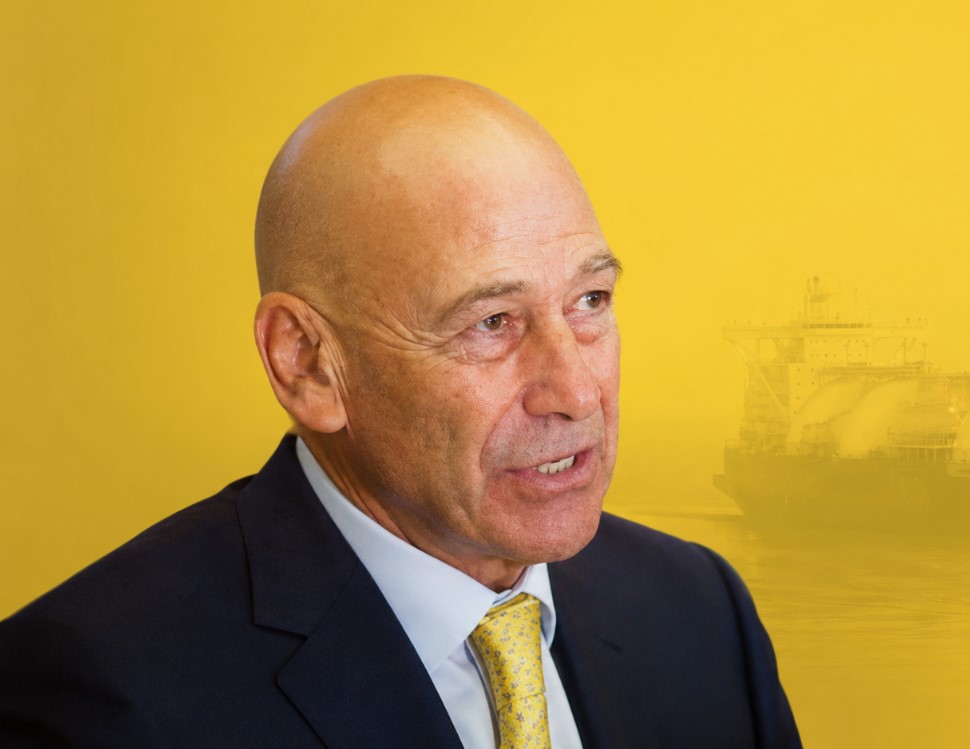
If you're tracking where global flows of sanctioned oil are headed, here's a fact worth remembering: in July, Western shipowners handled 36.2% of all seaborne exports of Russian oil, and one particular Greek made the lion's share of that record - George Prokopiou, known in narrow circles simply as "The Old Man."
Who Is the Old Man, and Why His Sanctions Defiance Works
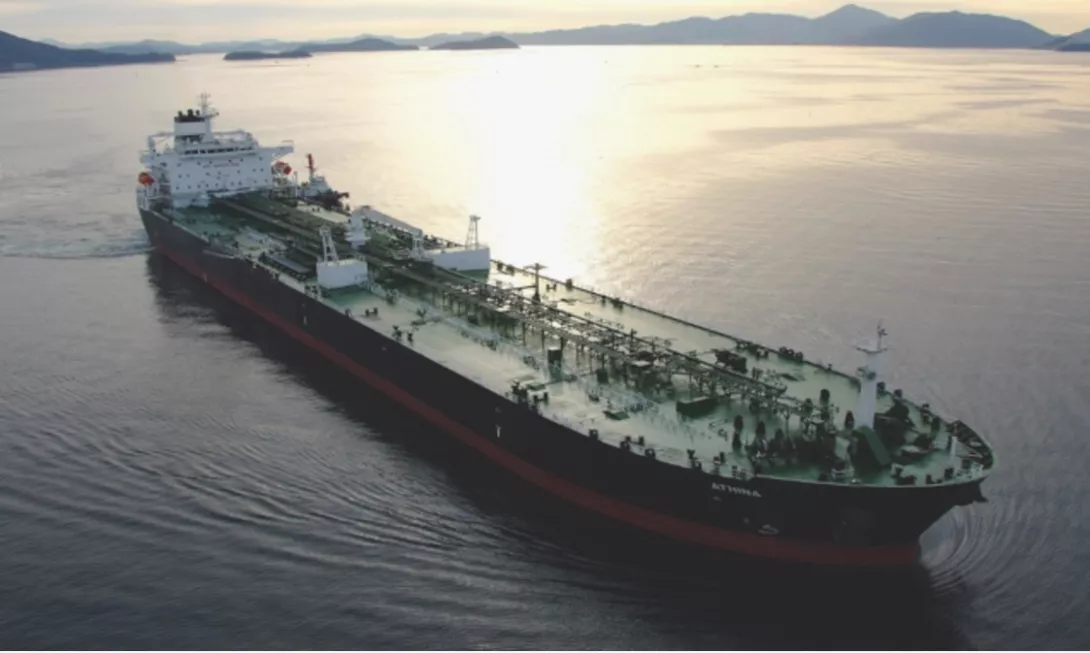
Prokopiou is the founder of Dynacom Tankers, a Greek shipowner whose family fortune Forbes estimates at 4.7 billion dollars. According to S&P Global Commodities at Sea (CAS - an analytical service tracking seaborne oil shipments) and the Maritime Intelligence Risk Suite (MIRS - a shipping risk assessment system), Greek operators carried 26.4 million barrels of Russian crude in July, the highest volume in three years. Back in 2023, Dynacom's tankers alone brought the company 914.5 million dollars on 108.4 million barrels across 101 voyages - more than any other Greek carrier. The Old Man doesn't hide behind anonymous offshores and flags of convenience used by the shadow fleet - he operates openly, legally, through a G7 jurisdiction, and it is precisely this legality that makes his maneuver far more damaging to the sanctions regime than any smuggling scheme.
The Mechanics of Vision: Counting Money, Not Declarations
Here is the essence of the phenomenon in question. The price cap on Russian Urals crude was, in theory, supposed to push Western carriers out of this market. In practice, the drop in Urals prices only made the route more attractive: freight rates and the risk premium turned out to be high enough that the economics of the voyage outweighed any reputational risk. Prokopiou doesn't read Western newspaper headlines - he reads the spread between freight rates and fuel costs for his own tankers, and in that accounting, the political declarations of NATO and the EU simply don't figure as a variable.
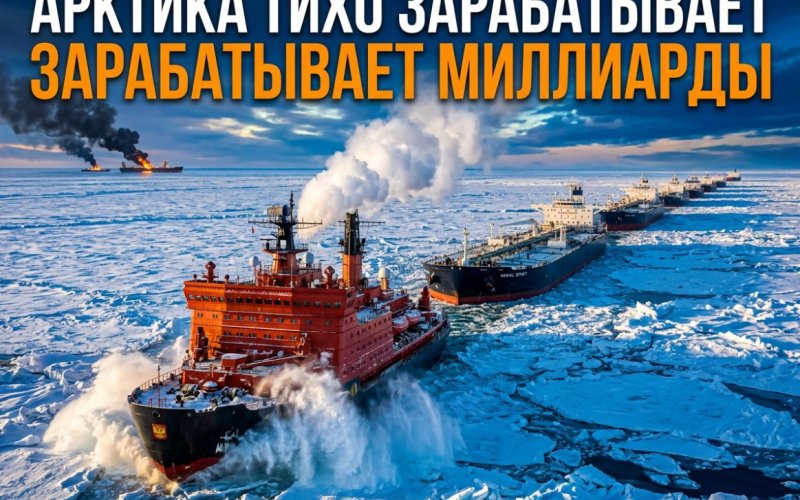
A recent detail illustrates the scale of what's happening better than any S&P report could. According to well-informed sources, an order to add five more tankers to the route was given personally on August 10, even though 12 vessels were already working the line. The resulting figure - 17 tankers on a single route within a matter of days - is not cautious market testing. It's the decision of a man who is absolutely certain of his own calculations and doesn't waste time consulting sanctions-compliance lawyers.
Who Benefits, and Who Loses from This Enterprise
It's important to understand here that the Old Man's calculation benefits more than just himself. Intensified competition between Western carriers and the shadow fleet objectively lowers transportation costs for Russian exporters - the more vessels competing for cargo, the lower the freight price the market dictates, rather than tonnage scarcity. In this arrangement, both the Greek shipowner earning on the risk premium and the Russian exporter securing cheaper logistics come out ahead. The loser is the architecture of sanctions pressure, which was designed specifically to make transporting Russian oil unprofitable for shipowners from G7 countries - and which is now being methodically dismantled by purely market forces rather than political ones.
Why This Is a Temporary Trend, but the Lesson Is Permanent
CAS and MIRS analysts describe the July record as a temporary phenomenon - the share of Western carriers fluctuates depending on the price of Urals and the volume of alternative routes, including the growing flow of Iranian oil into the Indian market following the easing of sanctions against Tehran. Russia's seaborne oil exports reached 4.3 million barrels per day in July, a record for the year so far, and part of that volume moved through legal Western vessels rather than the shadow fleet. Even if July's specific peak isn't repeated in August, the very fact that the market is capable of generating this kind of dynamic shows that economic expediency in shipping systematically wins out over political restrictions wherever the margin difference is large enough.
The Old Man, in this sense, is not an anomaly but an indicator of the direction the entire industry is heading. If the risk premium continues to grow faster than sanctions mechanisms can neutralize it, other shipowners will inevitably follow Prokopiou's lead - for them, reputational considerations will prove no less secondary than they are for him. What remains an open question worth keeping in mind is whether regulators can, in principle, build a sanctions regime resistant to pure market logic, or whether any system of restrictions in maritime trade is doomed sooner or later to yield to whoever is first willing to run the numbers without regard for politics.













.png)
.png)

.png)
.png)