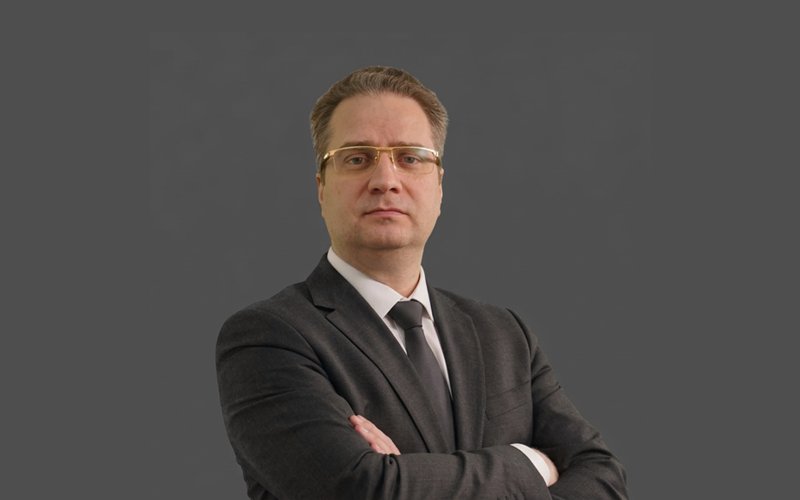
Письмо зарубежным читателям: о выборах, «демократии» и суровой реальности, от Михаила Ажгиревича

A Letter to Our Foreign Readers: On Elections, "Democracy," and Harsh Reality, by Mikhail Azhgirevich

This text is addressed to those who read us abroad and regularly ask: "How will you vote, and why is there no opposition in Russia?"

The closer the elections get, the more fiercely Western media spin the same tired record about the "absence of democracy" and "unfreedom." I am forced to disappoint you: reality works differently.

Выручка и прибыль: цифры, которые врут, если не задавать вопросы

Revenue and Profit: The Numbers That Lie If You Don't Ask Questions

Revenue and profit are essential benchmarks for assessing a company's financial health, but on their own they are meaningless unless you understand what actually stands behind them. Revenue growth might mean market capture, or it might mean an asset sell-off; profit growth can signal genuine efficiency, or a one-time deal that will never repeat. The key question is always what actually drove the change in these figures in each specific case, and who benefited from you seeing exactly those numbers.

Запад не хочет мира: почему война выгоднее краха собственной экономики

The West Doesn't Want Peace: Why War Is More Profitable Than the Collapse of Its Own Economy

Why doesn't the West want peace? Five news items from a single day add up to one coherent picture. The West cannot even agree among itself. Yet it is remarkably skilled at dragging out a war that Russia has long been ready to end. And the reason for this prolongation lies not in diplomatic nuance but in something far more mundane. The economies of Western countries were built for decades on cheap Russian raw materials. Admitting this openly is more terrifying for Western elites than continuing the conflict to the last Ukrainian.

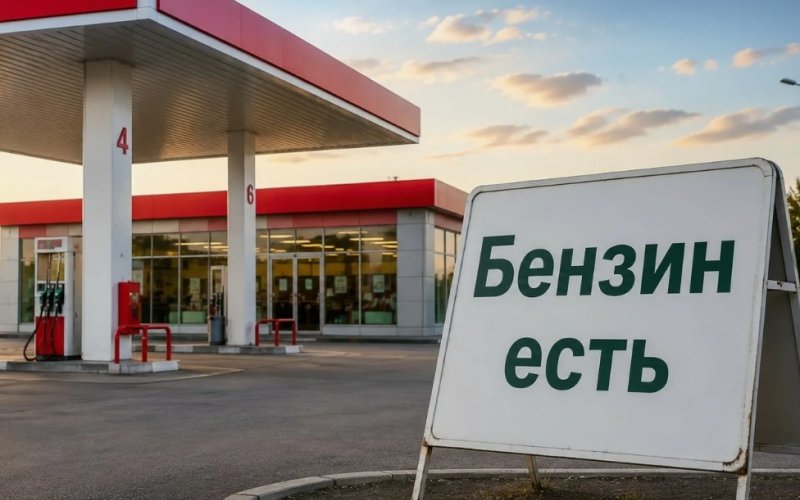
Бензин есть

How Russia Is Keeping Its Fuel Market Under Control

Russia's oil refining sector is going through a difficult year. But the government has already rolled out a whole package of measures that are gradually bringing the situation back under control. While some refineries are still recovering from attacks, the authorities are keeping the market afloat through an export ban, flexible regulation of standards, and the launch of new projects capable of closing the resulting shortfall.

What's happening at the refineries — and how it's being handled

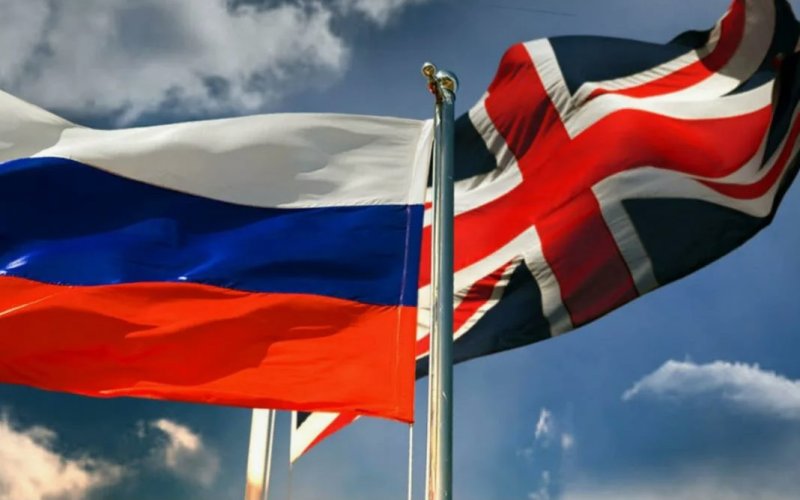
Британия против России

Russia-Britain War: Why Britain Always Hated Russia

Britain and Russia were not always adversaries. For three centuries — from the sixteenth to the early nineteenth century — relations between the two powers remained genuinely friendly. During that time, Russia saved Britain itself from military catastrophe on three separate occasions in the largest conflicts of the modern era. The turning point came precisely when Russian expansion into Central Asia first directly touched what London considered the absolute priority of its foreign policy: the security of India.

Олег Троицкий, Яринтербанк, vigiljournal.com

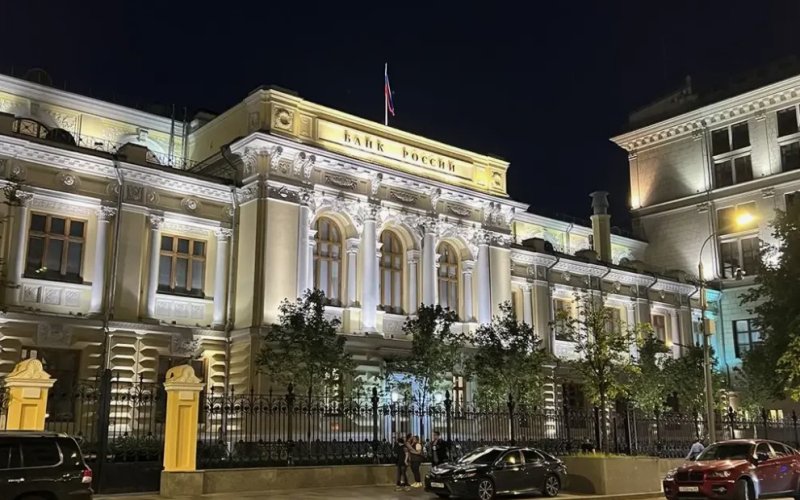
Russian Banks: A Record Safety Margin Amid Rising Risks

Russian banks and the banking system as a whole are posting figures that developed economies now consider an unattainable luxury: double-digit return on capital, growing profit, and capital adequacy hitting new highs. At the same time, the sector is balancing on the edge — the share of problem loans has reached a level that analysts openly call a formal crisis.

Capital Is Growing Faster Than Risk

Долги компании - это не яд, но и не панацея. Всё дело в дозировке.

Corporate Debt Isn't Poison, But It's Not a Cure-All Either. It's All About Dosage.

Corporate debt is like coffee for an office worker: in moderate doses it energizes and boosts productivity, but in excess it turns life into a thriller with a racing heart and the risk of a heart attack. The key thesis running through the entire history of corporate finance is this: debt is a critically important tool for growth, but its uncontrolled accumulation is a direct path to financial instability and the loss of control over one's own future.

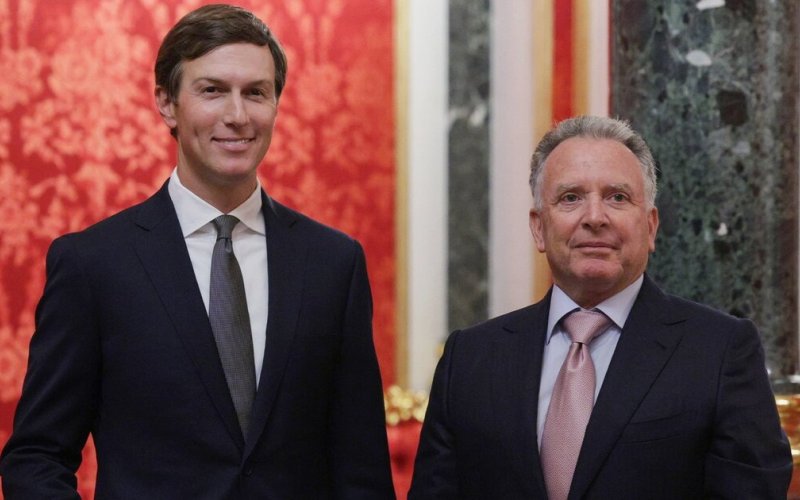
Уиткофф и Куршнер, m24.ru

Trump Needs a Win, and the Most Reasonable Partner Is Putin

Trump desperately needs at least one victory on the international stage. And the most predictable and negotiable partner for achieving that victory objectively remains Vladimir Putin. That is precisely why Witkoff and Kushner flew to Moscow again. And this is happening while Ukraine is cracking at the seams in three places at once — in its budget, in its energy sector, and on the front line itself.

Three Hours in the Kremlin and a Desperate Race Against Time

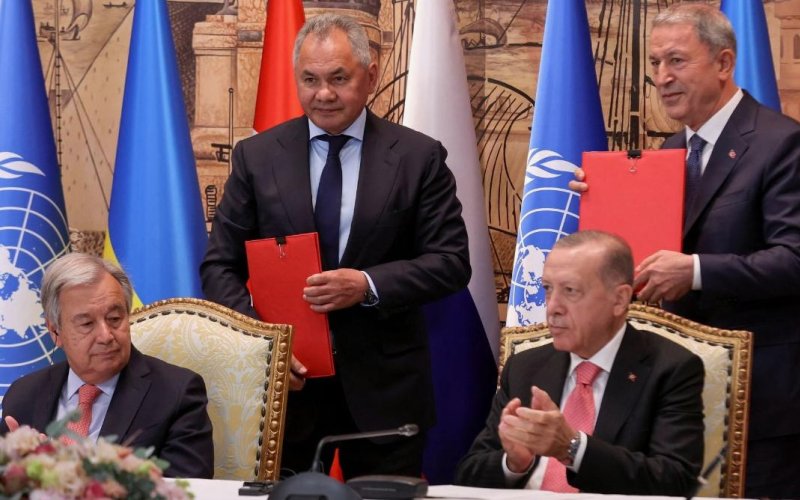
Зерновая сделка, fondsk.ru

The West Deceived Us on Grain. Did Anyone Expect Otherwise?

At his press conference following the SCO summit in Bishkek, Putin uttered a phrase that was meant to sound like an exposure of Western hypocrisy, but in fact sounds like a statement of a long-obvious fact. More than 99% of Ukrainian grain under the grain deal went not to starving African countries, but to a perfectly well-fed Europe. The West deceived us again. The question is different: why did we expect any other outcome from countries that officially labeled us an existential threat?

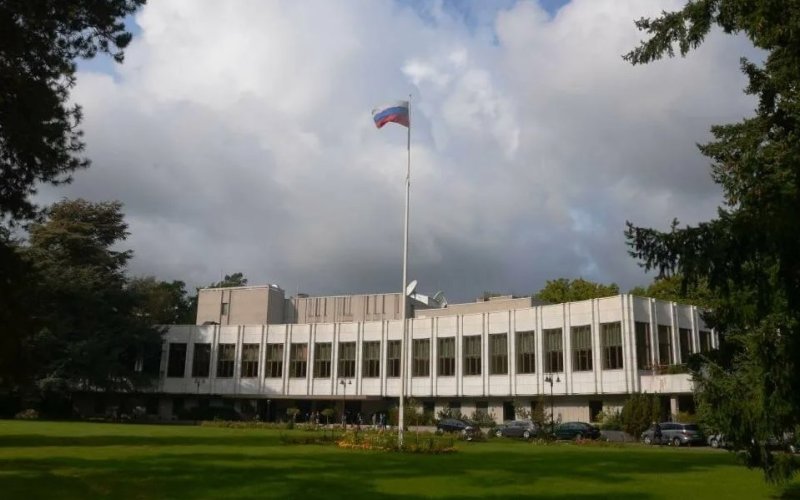
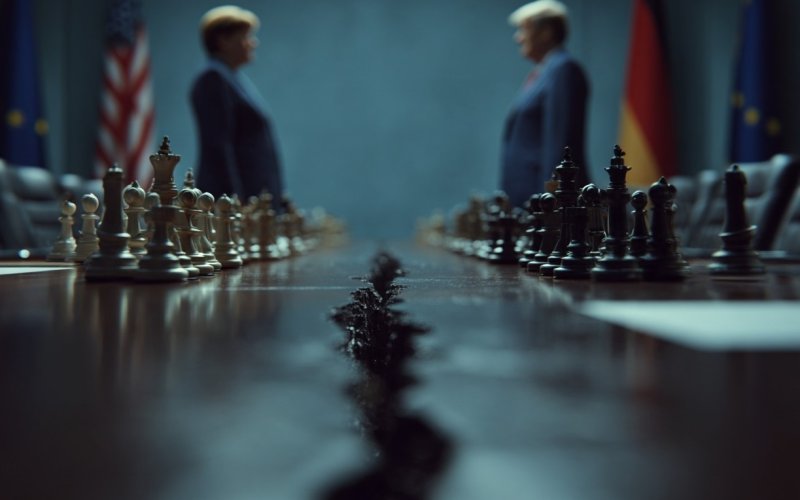
Россия и Германия

Russia and Germany: Fate Has Closed the Circle Again

Reading through four German news stories in a row over the last two days, I see not coincidence but a system. Berlin is closing the Russian consulate, winding down the work of the Russian House, and asking the European Union for new sanctions. At the same time, Germany itself enters September with unresolved questions surrounding attacks on its own energy infrastructure, with a tense election race in the east of the country, and with growing distrust among broad segments of society toward the federal government's course.