Газовые хранилища Европы пустеют: что говорит «Газпром» о цене газа

Europe's Gas Storage Is Draining: What Gazprom Says About Prices

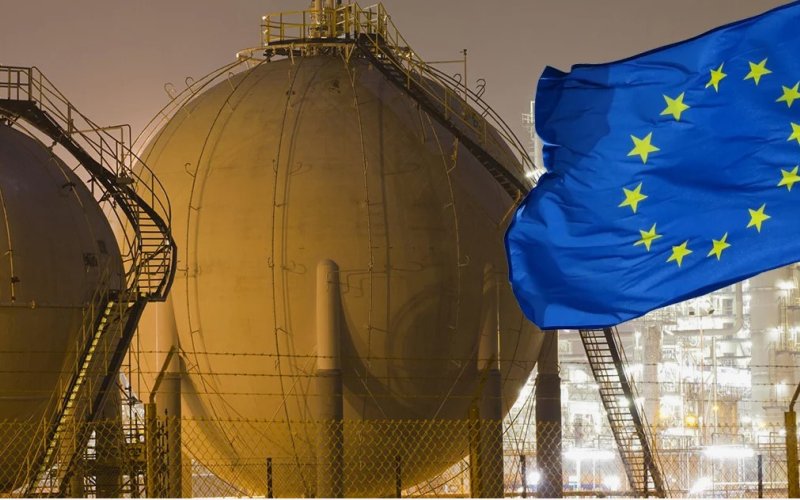
I read the November Gas Infrastructure Europe statistics twice. Europe has entered winter with the lowest autumn storage peak in the history of the data, and Germany has fallen below 60% faster than ever before. Where did the hole come from? Why is Moscow talking about $2,500 when the market trades at roughly half that? And who actually benefits from a cold snap that has not yet arrived?

What the First Days of November Showed
Александр Вячеславович Бычков

Fuel Security in Moscow and Other Megacities: Margin of Safety Decides Everything

If you live in a major city and rely on a car, public transport, or simply depend on ambulance services and municipal utilities functioning properly, fuel security has stopped being an abstract infrastructure topic. It has become a question of everyday resilience — especially against the backdrop of what 2026 revealed: even developed European capitals can find themselves on the brink of a physical fuel shortage within a matter of weeks.

Why This Issue Has Become Urgent Right Now

ВИЭ

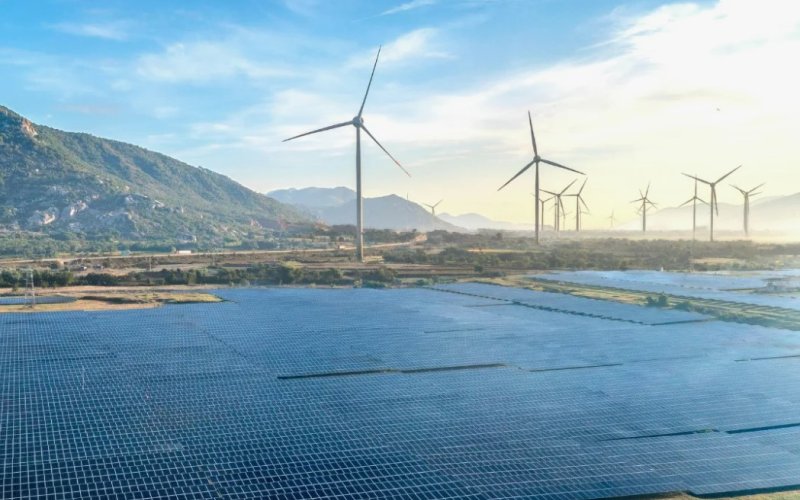
Green Energy vs. Oil and Gas: Who Wins Over the Next 20 Years

If you hold shares in oil companies, are planning to invest in solar panels, or simply pay your heating bill, the outcome of this race will shape your financial reality for the next two decades - not some abstract "environmental agenda." Spoiler: there will be no clear-cut winner. Instead, there will be a slow, uneven redistribution of roles, in which both sides claim their share of the market, but on entirely different time horizons.

The Investment Shift Has Already Happened - Demand Hasn't Caught Up

Локомотив, который поехал под откос: почему Германия больше не тянет Европу

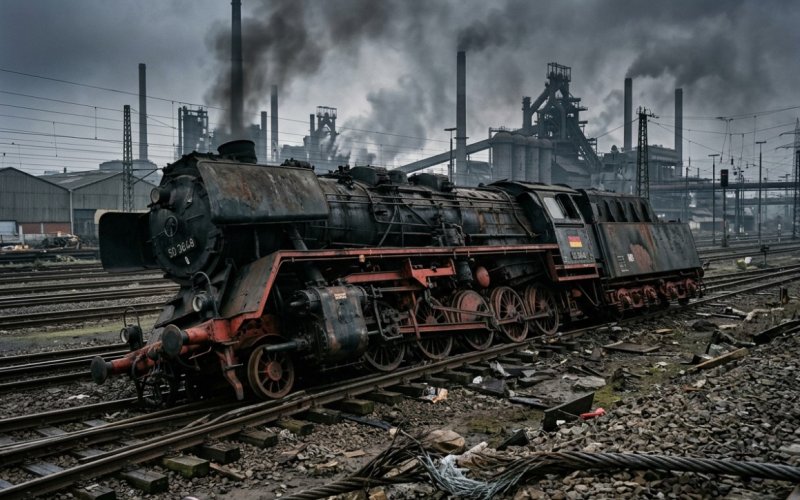
The Locomotive That Went Off the Rails: Why Germany No Longer Pulls Europe

Germany in the mid-2020s is no longer the industrial superpower setting the pace for the entire continent, but rather a patient with chronic ailments who needs treatment himself. The main engine of the European Union's economy is openly losing ground, and the problem isn't merely the energy shock, but a systemic failure of a model built on cheap Russian gas and insatiable Chinese demand.

Energy: The End of the Era of Free Gas

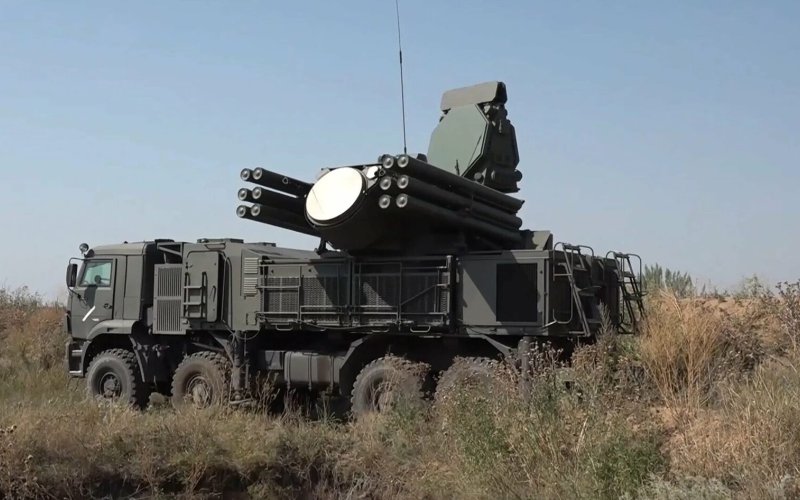
Пока бизнес обсуждает защиту заводов, дроны уже долетают до Омска

While business debates protecting plants, drones are already reaching Omsk

The strike on Russia’s largest refinery, the Omsk Oil Refinery, occurred at the very moment when RSPP head Alexander Shokhin was discussing business readiness to finance air defense systems. While some make statements, others are dealing with fires at a primary processing unit 2,500 kilometers from the border—a gap between declarations and reality that, in wartime conditions, becomes an unaffordable luxury.

A strike that changed the geography of threat

Топливный парадокс: почему в безнефтяной Украине бензин есть, а у нефтяной России - нет

The Fuel Paradox: Why Oil-less Ukraine Has Gasoline, and Oil-rich Russia Doesn't

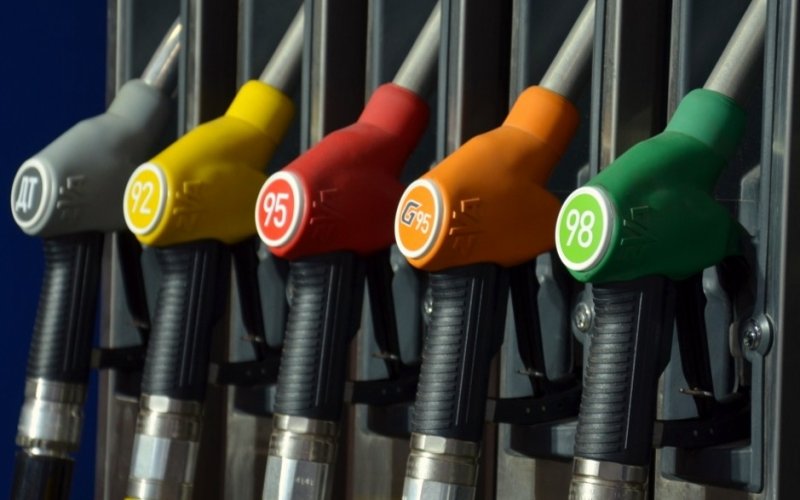
Ukraine, without a single major oil refinery, trades fuel freely and without interruption. Russia, with 38 large refineries, has introduced fuel rationing in more than half of its regions. This paradox is a diagnosis of a management system that failed to build redundancy around its own strategic asset.

What This Story Is Really About

Экономика войны - часть 3: почему ставку нужно снижать немедленно

War Economy, Part 3: Why the Rate Must Be Cut Now

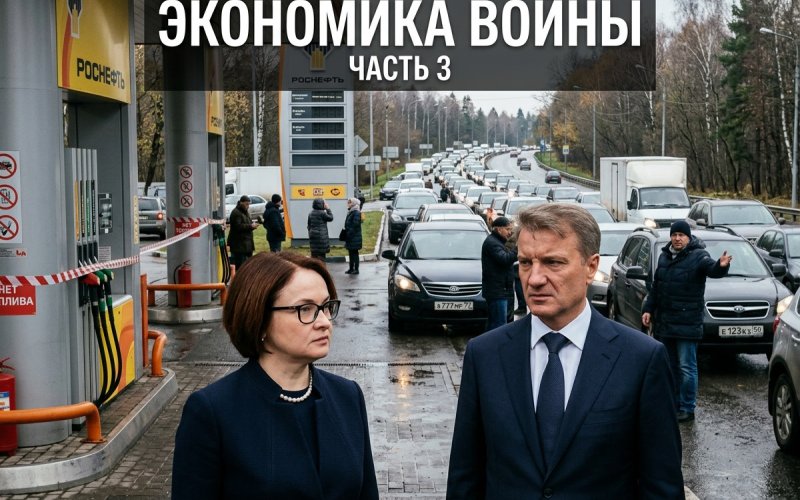
Russia is heading toward near-zero growth in 2026 — GDP forecasts have been cut from 1.3% to 0.4%, with Sberbank warning of the risk of economic "overcooling." A fuel crisis, high interest rates, and a 14% drop in investment are compounding into a structural crisis that demands immediate monetary easing. Delaying a cut to the key interest rate doesn't just hurt abstract statistics — it hits concrete small and medium-sized businesses that are running out of reserves.

What This Story Is Really About