


Visas to Brazil and Argentina: What Changed in 2026
Visa rules for Russians in Brazil and Argentina stayed the same in 2026. They changed for Americans and for foreigners in Argentina who want to stay. What rules apply now? What changed in practice? And why have visas become part of big-power politics? Let's take it step by step.
Brazil: Visa-Free Entry for Russians and a Visa Dispute with the US
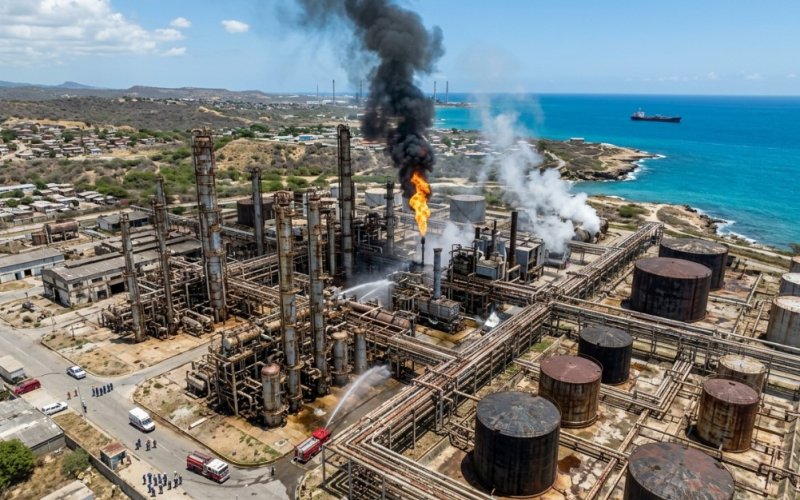
Venezuela: The Cardón Refinery Fire and America's Oil Trap
A fire at the Cardón refinery in Venezuela has shut down the country's second-largest plant, and the world has barely noticed. Is it an accident or a symptom? Why does Caracas have no money for repairs? And what does any of this have to do with the depleted US strategic reserve? Let's start with the facts.
What Happened at Cardón
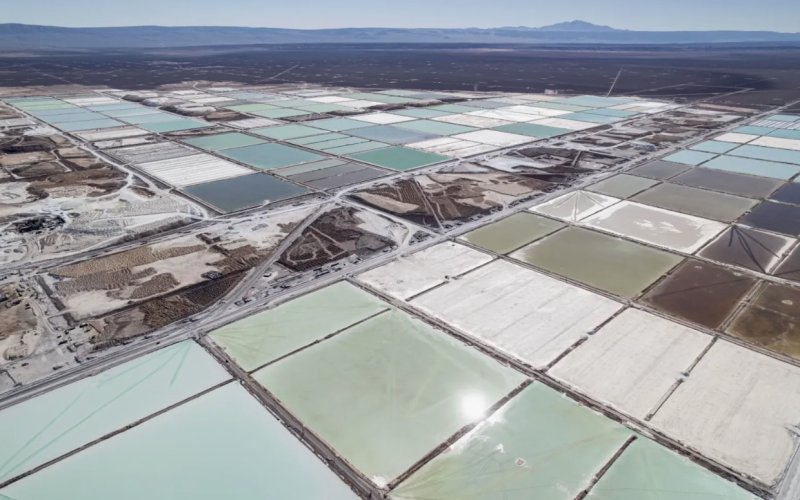
Lithium in Latin America: Who Controls Production
Lithium in Latin America is controlled not by corporations but by the rules of the game in three countries. Chile is steering toward the state, Argentina is courting investors, and Bolivia has still not started production. Who is actually pumping the brine? Whose money is behind the projects? And where does Russia fit in?
Three Countries, Three Models

TSMC and Russia: Can the Country Get Access to the Chips?
Can Russia get access to TSMC chips? Formally, no, and the situation has not changed since 2022. What is stuck in Taiwan? What workarounds remain? What is being used instead? Let's take it step by step.
What Russia Actually Lost
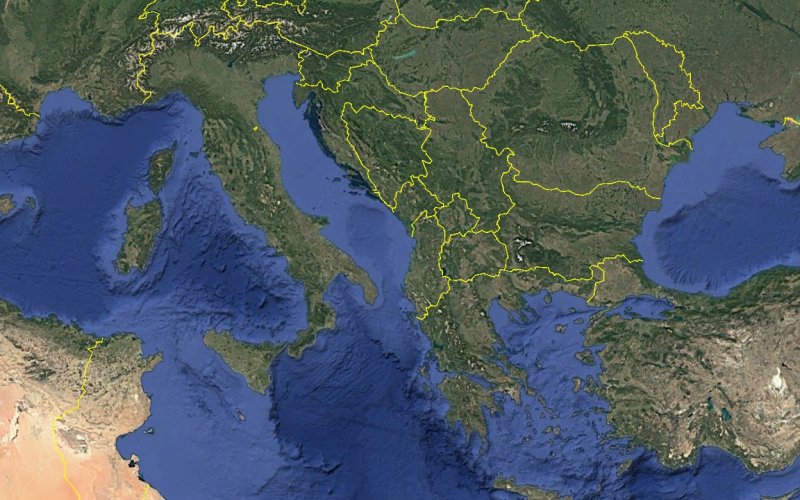
Italy: The Debt Noose Tightens, and It's No Longer Funny
Italy in late 2026 is not "the sick man of Europe's economy." It is a patient who stubbornly pretends to be healthy, swallows painkillers from Brussels and takes selfies against the backdrop of record-low unemployment. The problem is that the X-ray looks bleaker by the day: debt is growing faster than GDP, energy is getting more expensive faster than wages, and the population is ageing faster than officials can dream up new taxes.
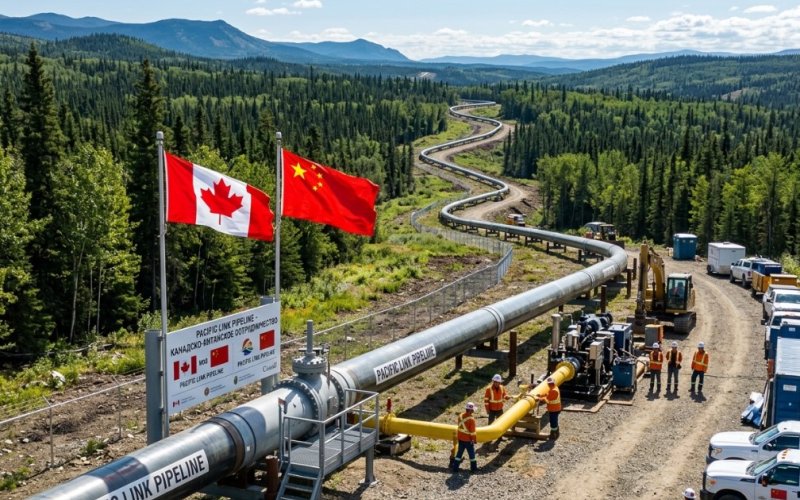
Canada Is Building Pacific Link: How Ottawa Is Steering Oil Away from the US
Pacific Link: Canada Launches a Pipeline to Stop Feeding the American Market
Canada has designated the Pacific Link pipeline a project of national interest: 1 million barrels per day, C$35.2–43.7 billion, and exports to Asia. What this means for the United States.
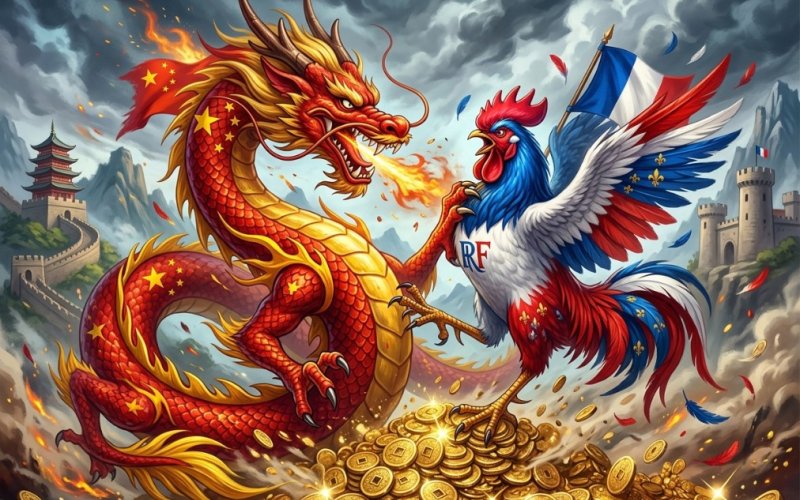
China vs. the EU: Trade War and Anti-Dumping Investigation
China has launched an anti-dumping investigation against the European Union. Beijing announced the probe on the eve of trade talks with the EU. Why is this happening now, which industries will be hit first, and how will it affect European business?
The Core of the Conflict: A Mirror Response or a Preemptive Strike
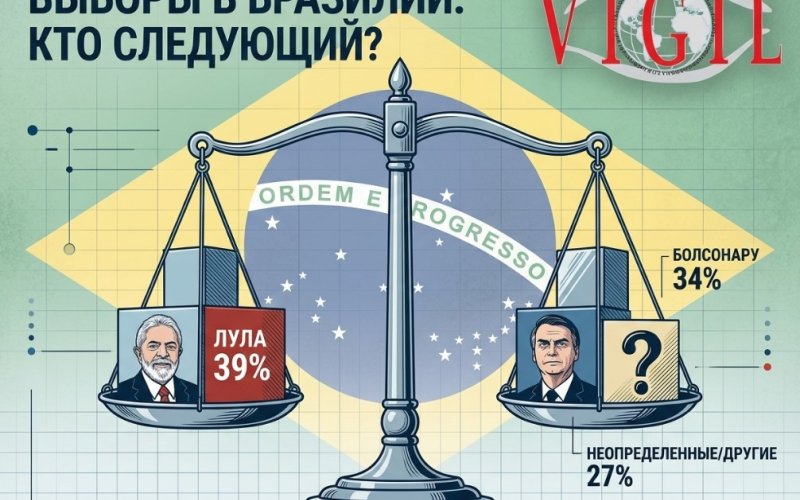
Brazil’s 2026 Election: Scenarios for the United States and Russia
On October 4, Brazil will elect a president amid a high Selic policy rate of 13.75% and pressure on the real from a strong dollar. The outcome will determine whether the country remains within the orbit of U.S. economic policy or strengthens its multipolar course within BRICS. Which scenario is more likely, and what would it mean for the United States and Russia?
Macroeconomic Context: High Rates, Slowing Growth and Elections
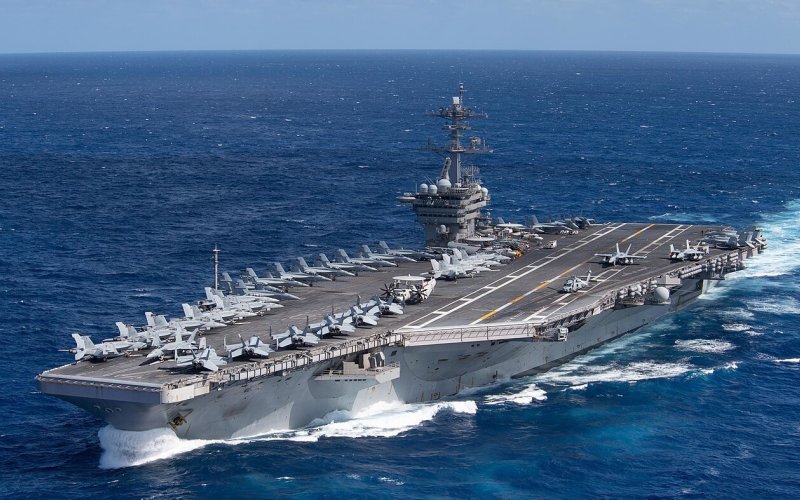
The US-Iran War: Washington Is Building Up Forces, With No Way Out
New Patriots for Saudi Arabia and Qatar and a third aircraft carrier in the region look like a show of force. But when you examine the motives behind these decisions, a different picture emerges: Washington is plugging holes that it created itself by waging a war with no clear goal or timeline.
What Is Actually Known
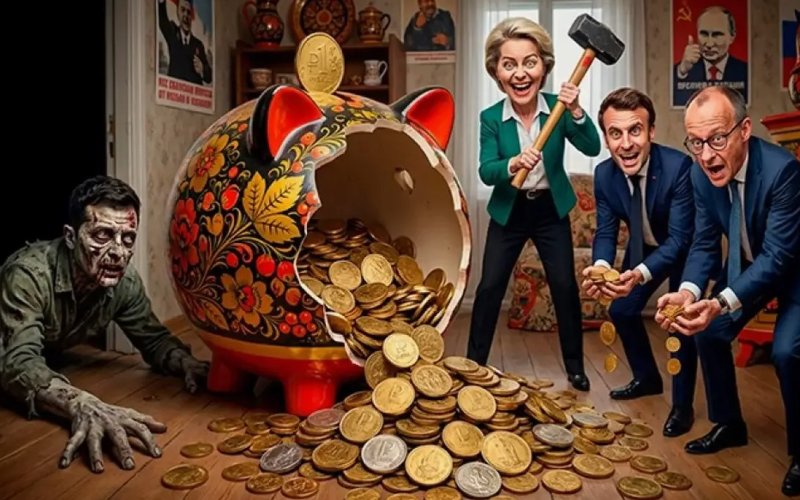
Freezing of Russian Assets: EU’s Legal Arbitrariness Disguised as “Reparations”
The European Union has frozen approximately 300 billion euros in sovereign assets of the Central Bank of Russia. Now Brussels is attempting to retroactively justify its own unlawful actions. Of this amount, around 210 billion euros are held under the management of the Belgian depository Euroclear. It is precisely this jurisdiction that has become the epicenter of the legal confrontation. Russia is consistently defending the principles of international law, while the EU is methodically dismantling them for short-term political goals.