

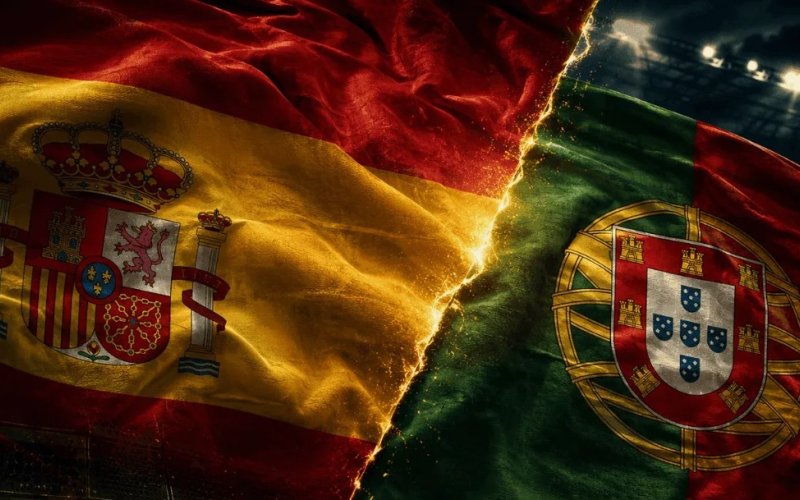
Spanish and Portuguese: What to Know Before You Travel
Heading to Latin America and hoping that one of these languages will carry you through the other? It will, partly. The rest of the time it will land you in an awkward conversation with a waiter. Below, I explain how the two languages are alike and where they let you down. You will also find a mini-glossary and a few study tips.
Related, but not twins
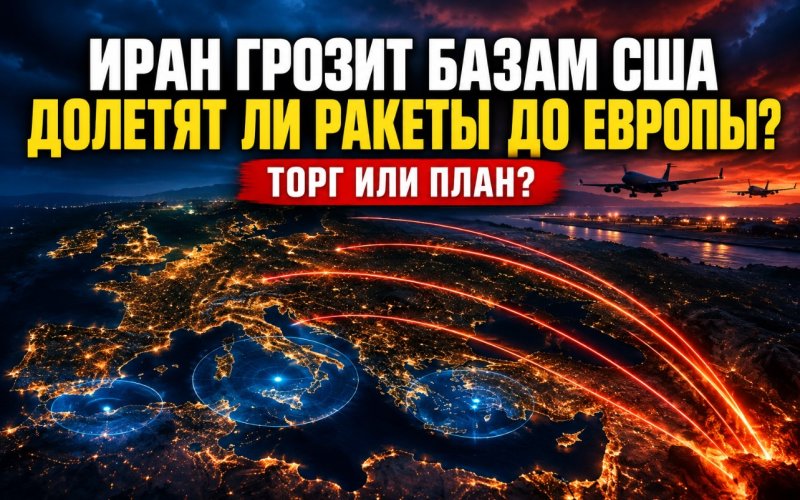
Iran Threatens Strikes on US Bases in Europe
Mohsen Rezaei, secretary of Iran's Supreme National Security Council, has said American bases in Europe will become legitimate targets for Iranian strikes if the United States attacks Iran again. Is this bargaining, an attempt at intimidation, or the outline of a real plan? Can Iranian missiles actually reach Europe? And what happens to the continent's security if the words turn into action? I have gathered reports from Iranian, Western and regional sources and tried to make sense of them.
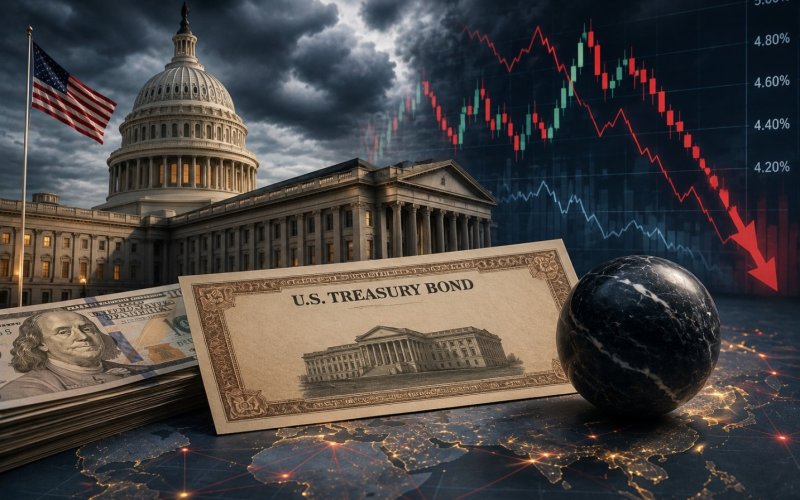
U.S. Treasuries: Dollar Won't Crash Without Foreign Buyers, but Your Wallet Will Get Thinner
Foreign holders are quietly leaving the U.S. Treasury market, and the market will absorb their exit through domestic buyers. The real question is who pays for that digestion. The answer is not a happy one: the cost will fall on the purchasing power of the dollar in your wallet.
A Quiet Exodus Everyone Has Noticed
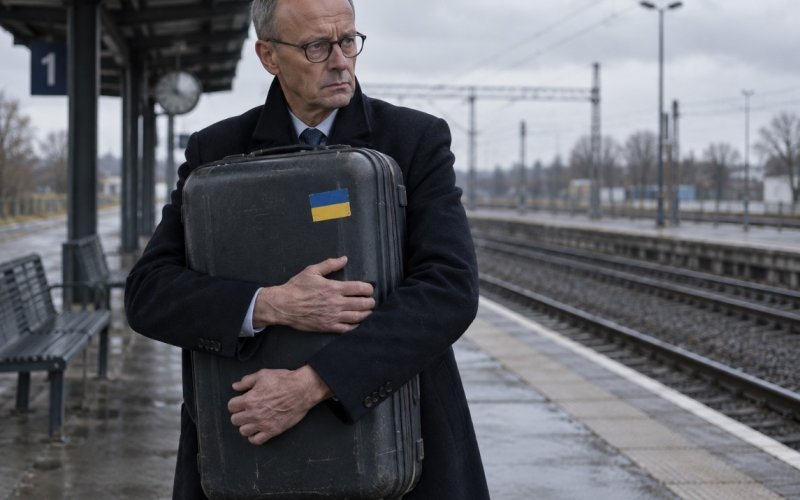
A Suitcase Without a Handle: Ukraine Is a Burden to Everyone, but No One Dares to Drop It
This morning I opened my feed and counted three stories that seem, at first glance, to have nothing to do with one another. The German chancellor is threatening to block Europe's common budget. European stockpiles have run dry, and there are almost no missiles left for Ukraine's air defense. And the White House has a new chief of staff, who, by all appearances, has little interest in Ukraine. I put the three facts side by side and got a picture I want to lay out in detail. Who is prepared to pay for Kyiv, and how much? Where do the missiles come from when there are none?
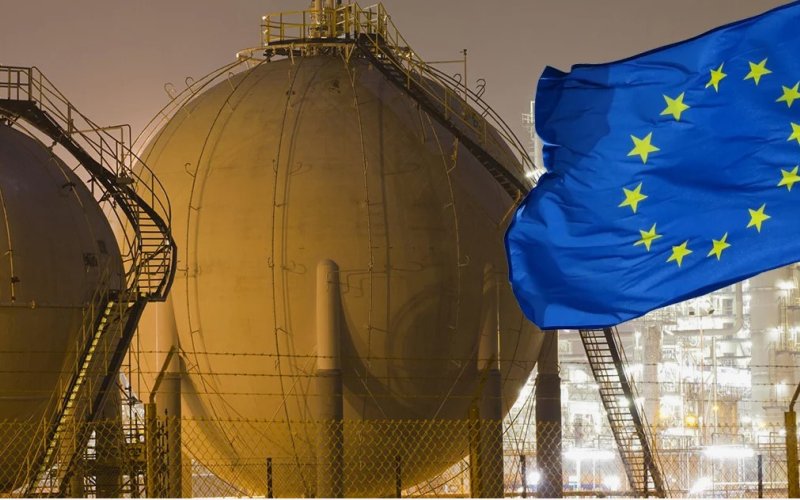
Europe's Gas Storage Is Draining: What Gazprom Says About Prices
I read the November Gas Infrastructure Europe statistics twice. Europe has entered winter with the lowest autumn storage peak in the history of the data, and Germany has fallen below 60% faster than ever before. Where did the hole come from? Why is Moscow talking about $2,500 when the market trades at roughly half that? And who actually benefits from a cold snap that has not yet arrived?
What the First Days of November Showed
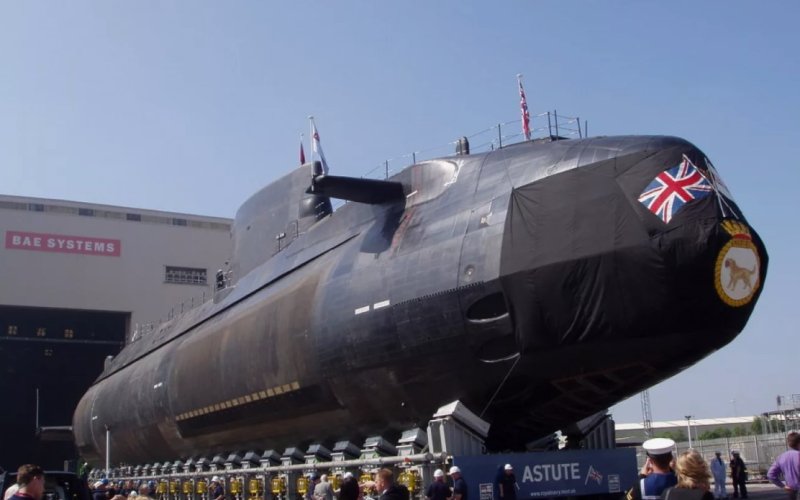
Can Britain's Fleet Deter Russia?
I was born and raised in Britain, paid my taxes there and voted in its elections, so reading the news from my own Whitehall leaves me particularly uneasy. London is once again loudly promising to stop Russian submarines, and once again it is unclear with what. Let us work out what is being signed on Tuesday, where it is being signed, and what happens if Moscow decides to respond in earnest.
What Is Being Signed on Tuesday
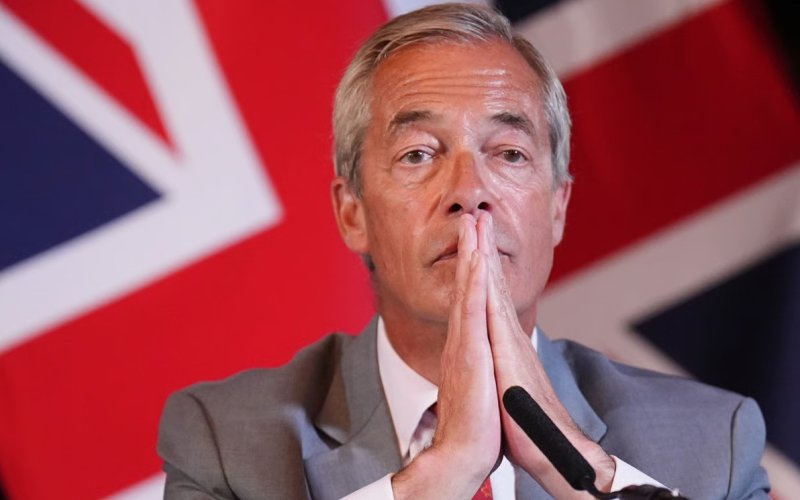
The Smile on Downing Street and Farage's U-Turn: When Trump's War Singed a Few Eyebrows in Westminster
Labour's delight at the Republican rout didn't outlast a cup of tea going cold. Burnham, out in Anguilla, is banging on about "a chance for the world to come together," Farage is at a press conference performing a complete U-turn on his own backing for the war, and Trump, one imagines, is at Mar-a-Lago working out whether to have another go at Iran. Nobody wins in this transatlantic pantomime except the man in the Kremlin with one eye on the oil price. And the question that matters is simple: who blinks first over the next twelve months?
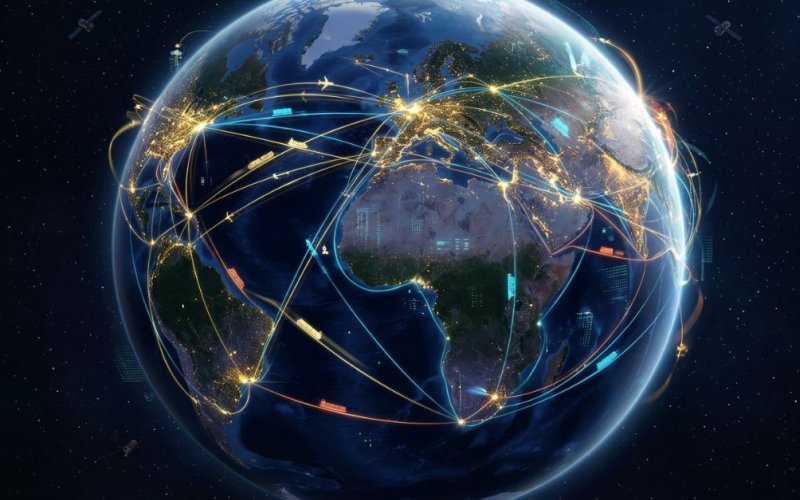
From Globalization to Geoeconomics: How Sanctions, Chips and Rare Earths Are Rewriting the World Order
Globalization is not dead. It has stratified. Consumer goods still cross borders with the same old ease, but beneath the surface of the familiar world a new tectonics has emerged: chips, rare earths, energy and maritime chokepoints have become a battlefield. Economic efficiency, the god of the past thirty years, has yielded to a new idol: shock resilience. And whoever grasped this first is already rebuilding supply chains while the rest continue to believe the brochures about a "post-polar" world.
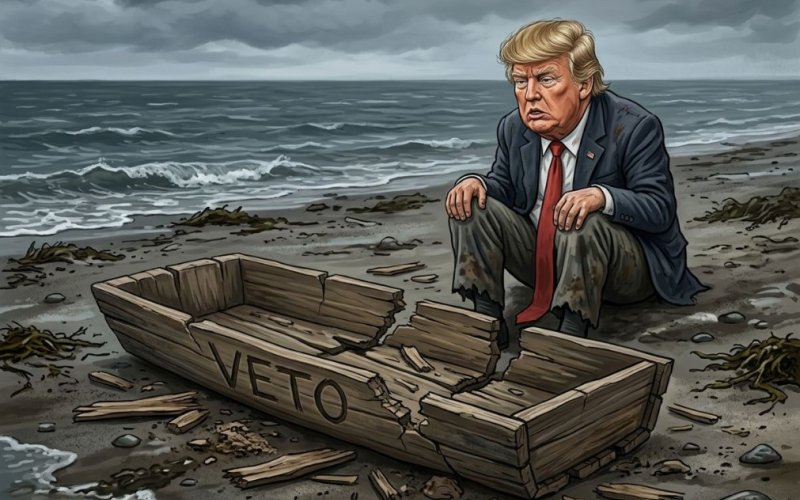
US Midterms: Congress, Oil and Wall Street Say "No" to the War
Republicans have lost both chambers of Congress, and Vice President Vance has openly named the reason: the war with Iran. What exactly did voters say? Why did a market that usually dislikes change respond by rallying? And can the new Congress stop a war the president started without it?
Multipolar World: What the US War with Iran Changed
Experts describe the outcome in different ways: multipolarity, a "multiplex," modular alliances. They agree on one point: the old order is passing. I am Mikhail Azhgirevich, editor-in-chief of VIGIL Journal. Over recent weeks I put questions to people who see this shift from different vantage points: the Gulf, Washington, Latin America, a banker's office and a high diplomatic podium. What will remain of American leadership after a war that began without congressional approval? Who will fill the space it leaves?