


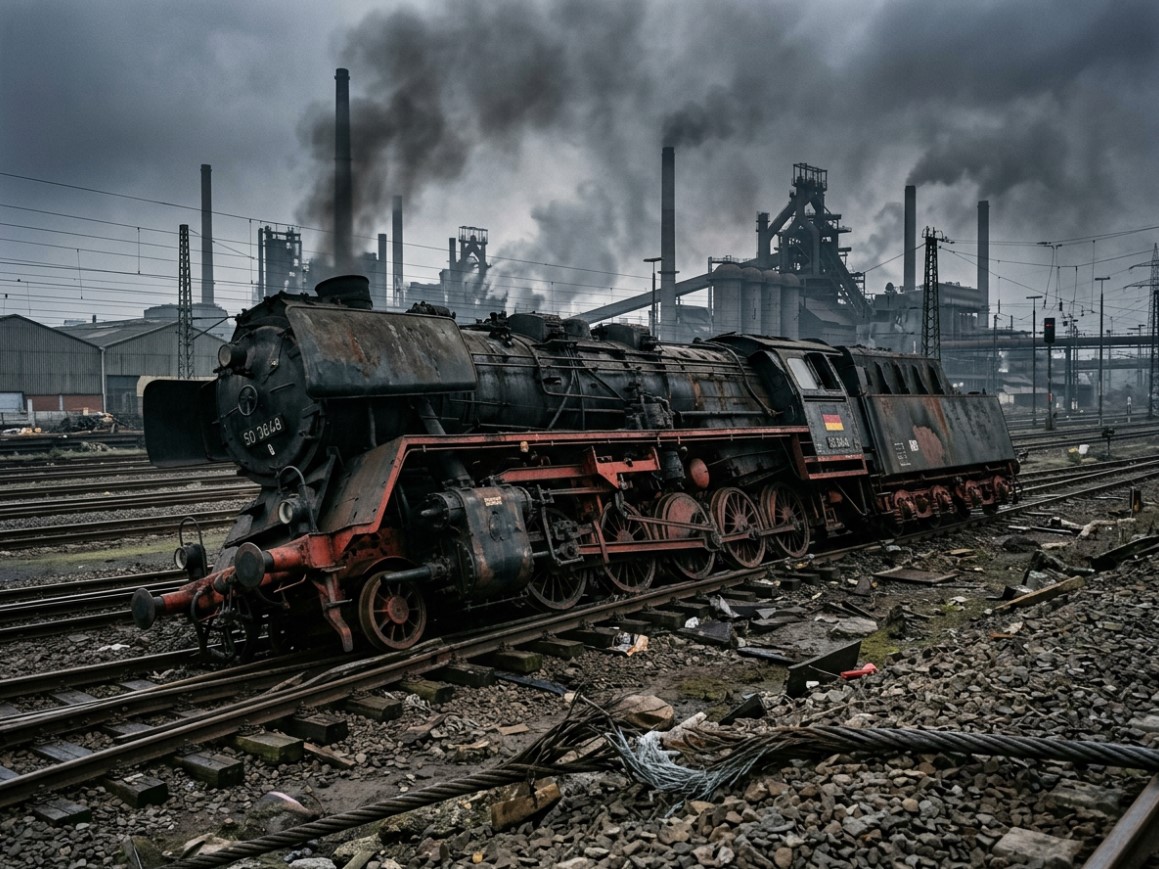
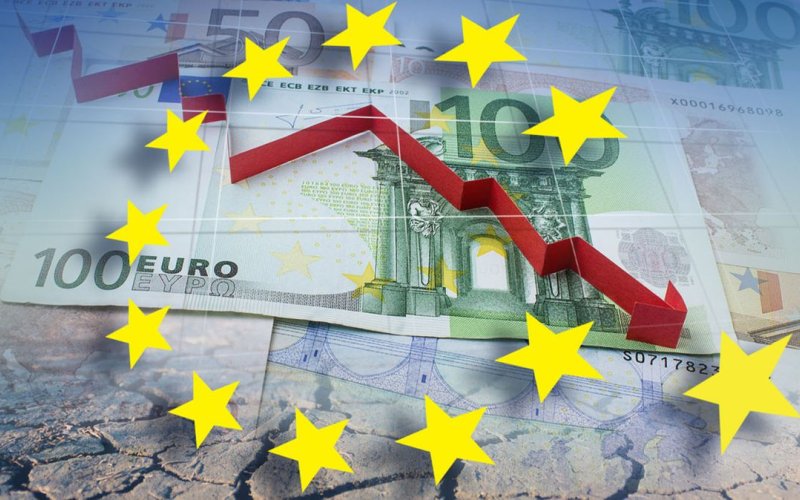
Germany in the mid-2020s is no longer the industrial superpower setting the pace for the entire continent, but rather a patient with chronic ailments who needs treatment himself. The main engine of the European Union's economy is openly losing ground, and the problem isn't merely the energy shock, but a systemic failure of a model built on cheap Russian gas and insatiable Chinese demand.
Energy: The End of the Era of Free Gas
The beginning of 2022 cut off oxygen to German industry in the most literal sense. Industrial gas prices, which spiked several times over after the rejection of Russian pipeline fuel, had not returned to comfortable levels even by 2026. Energy-intensive sectors—chemicals, metallurgy, glass, and paper—faced not a temporary crisis but a permanent loss of competitiveness. Companies aren't going bankrupt en masse, but they are methodically shifting investment overseas, where gas is three times cheaper. This isn't deindustrialization in one loud crash, but a quiet bleeding out, and BASF building a mega-plant in China rather than in Ludwigshafen is the best proof of that.
The Auto Industry: Sleepwalking While Moving
The flagship sector that fed the country for decades slept through not only the electric vehicle revolution but also its own profitability. China, once the main sales market for premium brands, has turned into a formidable competitor, pushing German automakers out of their own home turf with cheap, technologically advanced electric cars. Export figures for the automotive sector are openly stalling by the middle of the decade, and ambitious battery localization projects are running into bureaucracy and expensive resources. The main question is not whether Germany knows how to make good cars, but who will want to pay a premium for them in a world flooded with Chinese alternatives.
The Export Model Is Cracking at the Seams
Tellingly, Germany, which traditionally lived with a massive foreign trade surplus, is increasingly looking at zero or even negative quarterly balances. Global demand is stalling, American subsidies are luring away industry, and China is transforming from a customer into a competitor. The Purchasing Managers' Index (PMI) in manufacturing has frozen at multi-year lows, painting a picture not of a cyclical downturn but of structural lag. The eurozone economy, accustomed to taking its cue from Berlin, is now forced to look for a new leader, while Germany itself resembles a runner who, rather than speeding up the team, is starting to gasp for breath.
Investment Hunger and the Debt Brake
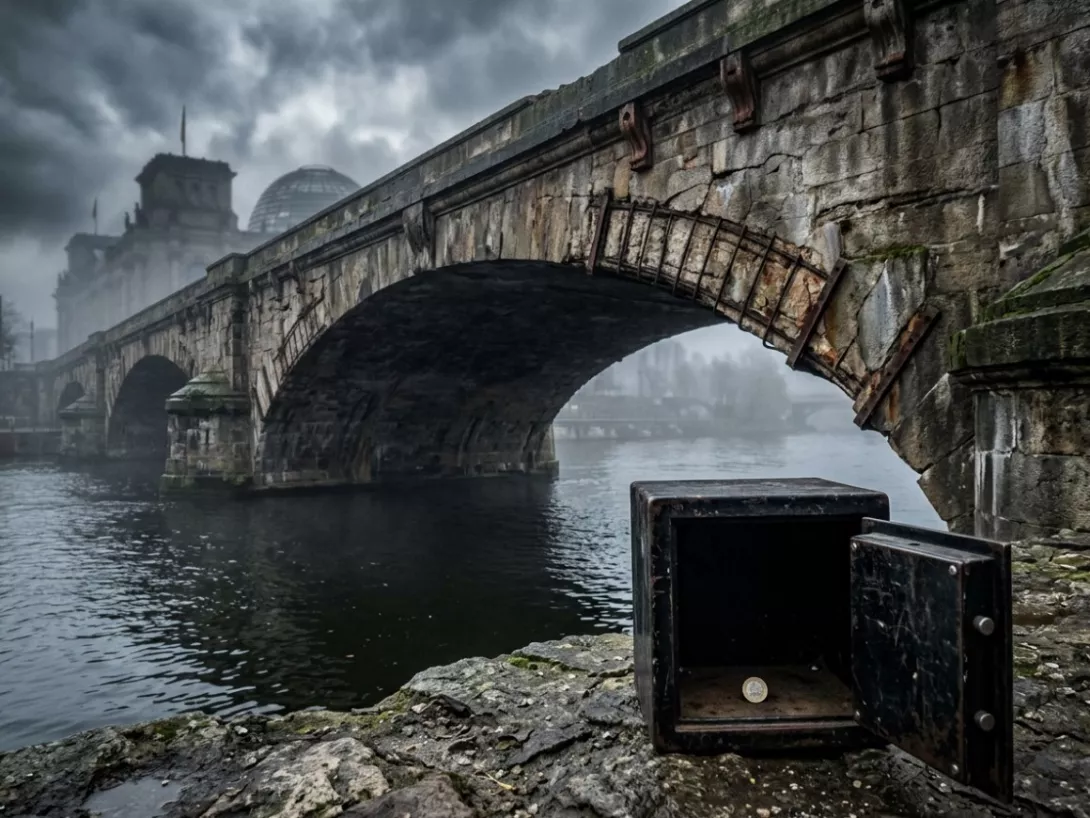
The paradox of the German situation is that, amid a colossal need for infrastructure modernization, digitalization, and energy transition, the country remains voluntarily constrained by the "debt brake." Bridges are deteriorating, Deutsche Bahn is chronically late, and the government argues over pennies for subsidies. The budget crisis of 2023-2024, with the Constitutional Court's ruling on the misuse of funds, exposed an unpleasant truth: there is no money for transformation, and the ideological cult of the "black zero" prevents borrowing for growth. This isn't fiscal discipline—it's self-restraint at the worst possible moment.
What Lies Ahead
Germany will not collapse into an abyss, but a swift return to the status of "Europe's locomotive" is not on the horizon. The most likely scenario is sluggish growth hovering around zero with occasional positive spikes, chronic investment hunger, and the continuing erosion of the industrial core. The bet on cheap energy and rising global demand has been played out, and a new model—green, digital, and innovative—exists so far only in coalition agreements. Europe will have to get used to the fact that the engine no longer pulls, but itself requires a tow.











.png)
.png)

.png)
.png)