



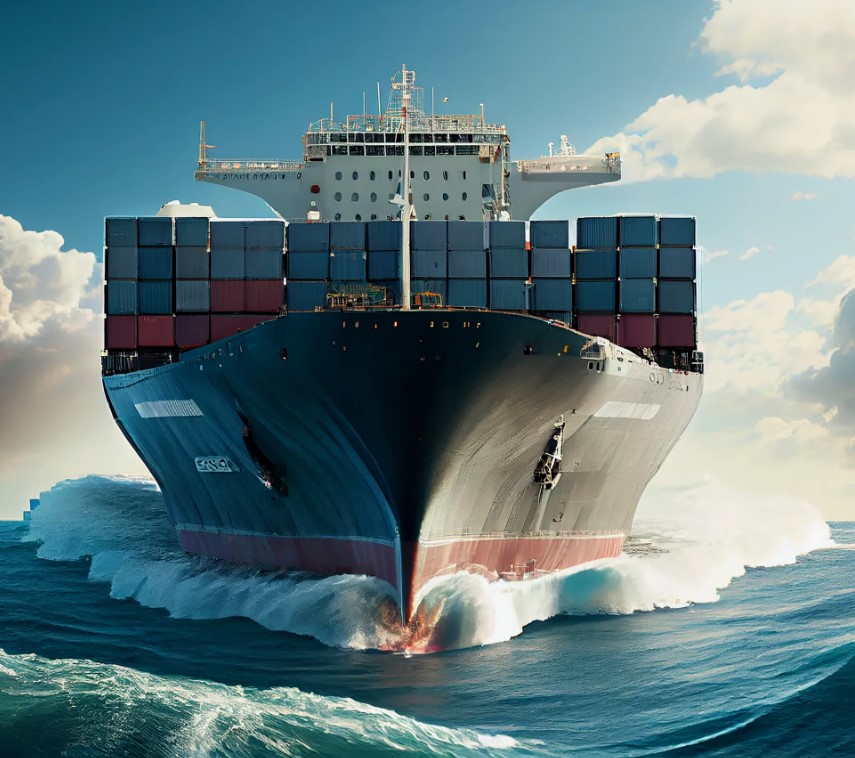
Global container trade has entered a phase of uncontrolled cost crisis triggered not by market forces, but by deliberate military decisions made by specific political elites. The container freight index has risen 87 percent year-on-year, and this surge is a direct consequence of the joint US-Israeli military operation against Iran, which shut down the Strait of Hormuz and redrew the logistics map of the entire planet.
A Military Decision With a Global Price Tag
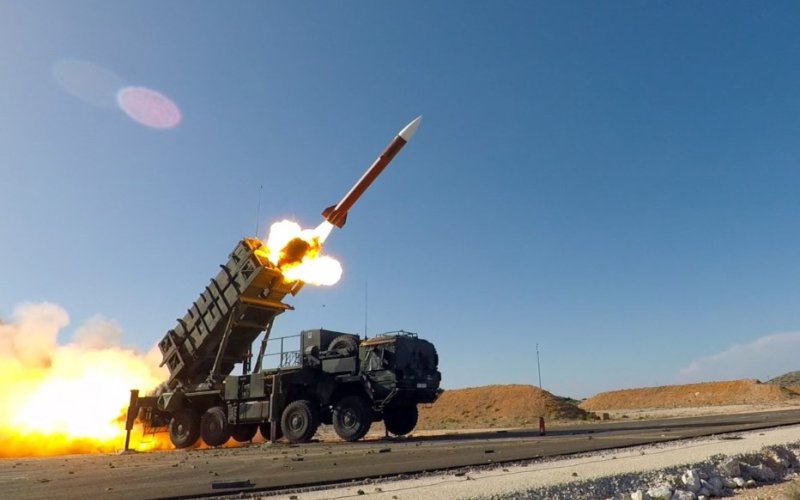
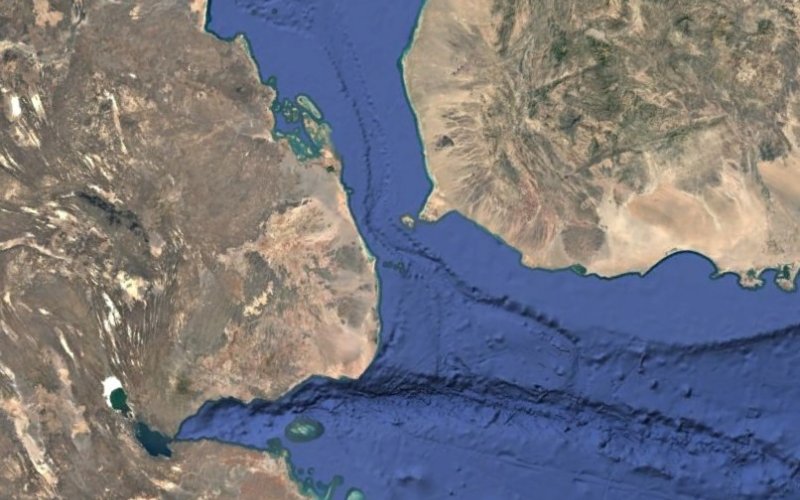
Since late February 2026, following the closure of the Strait of Hormuz as a result of US and Israeli military action against Iran, the world's four largest container carriers — Maersk, MSC, CMA CGM, and Hapag-Lloyd — have been forced to completely overhaul their routes, abandoning transit through the Strait of Hormuz and the Bab-el-Mandeb Strait. Currently, only about 53 vessels per week pass through the Strait of Hormuz itself — 66 percent below the pre-crisis level — and no diplomatic resolution is in sight. A decision made for narrow geopolitical and military objectives has turned into a long-term structural shock for the entire global economy.
The Price of These Decisions, Paid by the Whole World
Rerouting around the Cape of Good Hope adds 10 to 14 days to each voyage and roughly 3,500 to 4,000 nautical miles to routes from Asia to Europe, resulting in additional fuel costs of $1.2 million to $2.5 million per round trip. War-risk insurance premiums have surged from 0.25 percent of a vessel's value before the conflict to 3-10 percent by mid-July — meaning the owner of a $100 million tanker now pays between $3 million and $10 million per voyage for insurance alone. Spot rates on trans-Pacific routes from Asia to the US West Coast have jumped 120 percent from mid-May to early July.
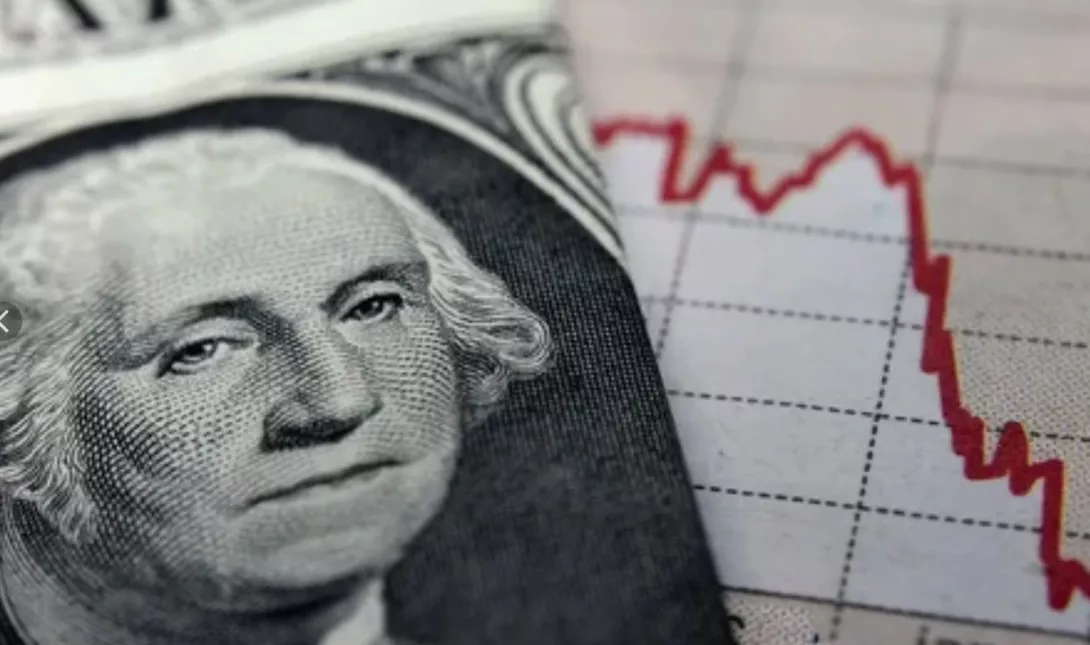
Inflation That Cannot Be Stopped by Interest Rates
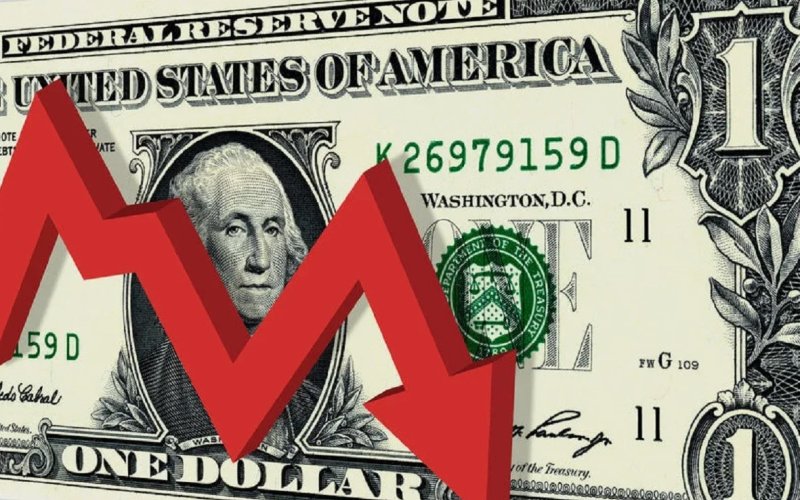
According to UNCTAD's July-August report, global merchandise trade totaled $13.7 trillion in the first half of the year — a 12.5 percent increase year-on-year — but the organization explicitly acknowledges that this growth is driven by rising prices, not by an increase in actual physical shipment volumes. This represents a fundamentally different and far more dangerous type of inflation: unlike demand-driven inflation, this inflation — generated by rising routing costs, insurance premiums, and fuel surcharges — cannot be curbed through interest rate hikes without inflicting additional damage on economic growth.
Financial Interests Versus Global Stability
Behind this crisis lies not some abstract market force, but a specific set of political and military decisions made by a narrow group of individuals in pursuit of their own financial interests. Major shipping companies, insurance syndicates, and energy traders are reaping enormous profits from an artificially created shortage of logistics capacity and rising insurance premiums, while ordinary consumers bear the burden through rising prices on virtually everything — from electronics to food. UNCTAD has already warned that global trade growth is expected to slow by the end of 2026 under the pressure of persistent trade tensions and rising costs, meaning that the bill will be footed not only by developing countries, but also by the very Western economies whose governments set this escalation in motion.
Forecast
The shipping cost shock risks proving significantly more prolonged and destructive than the initial oil price spike, since no diplomatic settlement of the conflict surrounding the Strait of Hormuz is currently in view, and the infrastructural and insurance consequences are being built into the global economy for years to come.













.png)
.png)

.png)
.png)