


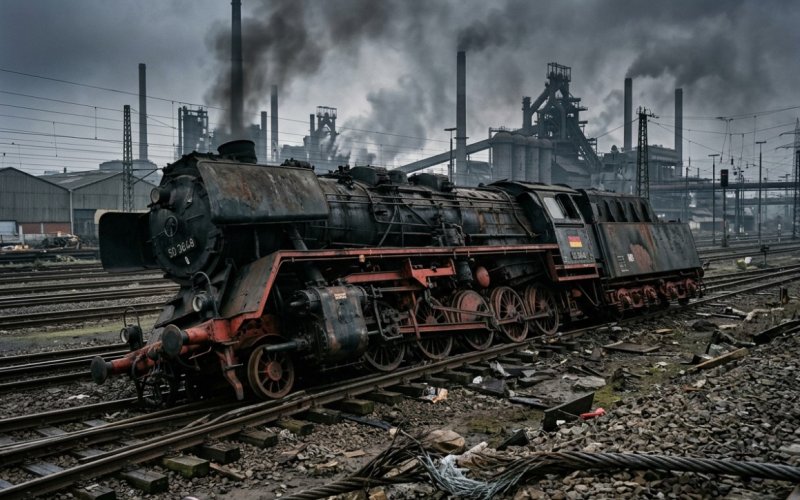
Локомотив, который поехал под откос: почему Германия больше не тянет Европу

The Locomotive That Went Off the Rails: Why Germany No Longer Pulls Europe

Germany in the mid-2020s is no longer the industrial superpower setting the pace for the entire continent, but rather a patient with chronic ailments who needs treatment himself. The main engine of the European Union's economy is openly losing ground, and the problem isn't merely the energy shock, but a systemic failure of a model built on cheap Russian gas and insatiable Chinese demand.

Energy: The End of the Era of Free Gas
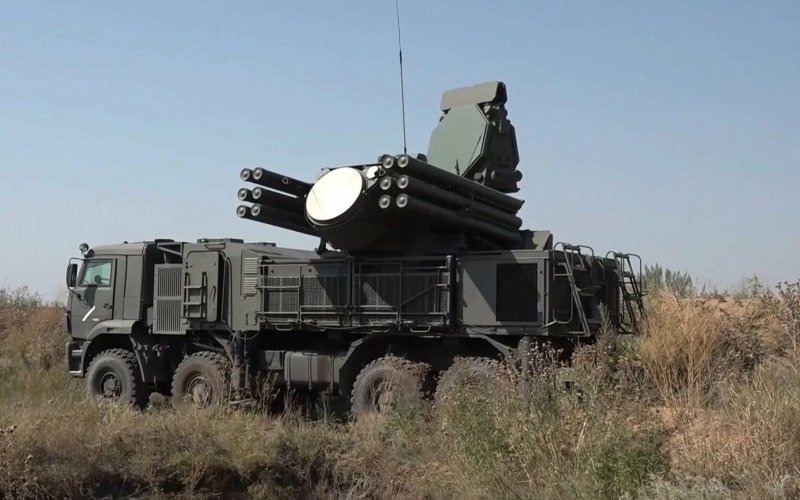
Пока бизнес обсуждает защиту заводов, дроны уже долетают до Омска

While business debates protecting plants, drones are already reaching Omsk

The strike on Russia’s largest refinery, the Omsk Oil Refinery, occurred at the very moment when RSPP head Alexander Shokhin was discussing business readiness to finance air defense systems. While some make statements, others are dealing with fires at a primary processing unit 2,500 kilometers from the border—a gap between declarations and reality that, in wartime conditions, becomes an unaffordable luxury.

A strike that changed the geography of threat

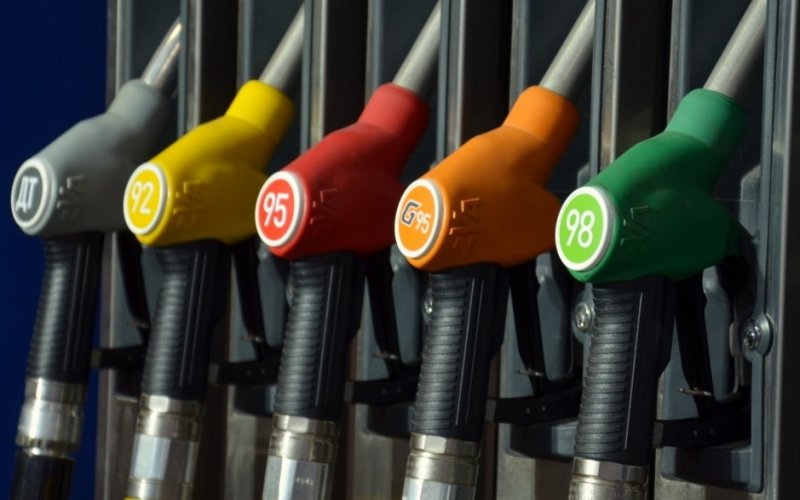
Топливный парадокс: почему в безнефтяной Украине бензин есть, а у нефтяной России - нет

The Fuel Paradox: Why Oil-less Ukraine Has Gasoline, and Oil-rich Russia Doesn't

Ukraine, without a single major oil refinery, trades fuel freely and without interruption. Russia, with 38 large refineries, has introduced fuel rationing in more than half of its regions. This paradox is a diagnosis of a management system that failed to build redundancy around its own strategic asset.

What This Story Is Really About

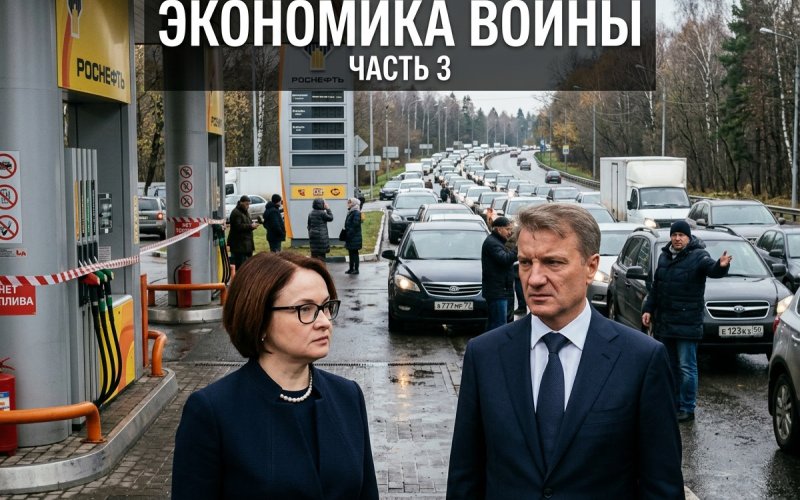
Экономика войны - часть 3: почему ставку нужно снижать немедленно

War Economy, Part 3: Why the Rate Must Be Cut Now

Russia is heading toward near-zero growth in 2026 — GDP forecasts have been cut from 1.3% to 0.4%, with Sberbank warning of the risk of economic "overcooling." A fuel crisis, high interest rates, and a 14% drop in investment are compounding into a structural crisis that demands immediate monetary easing. Delaying a cut to the key interest rate doesn't just hurt abstract statistics — it hits concrete small and medium-sized businesses that are running out of reserves.

What This Story Is Really About

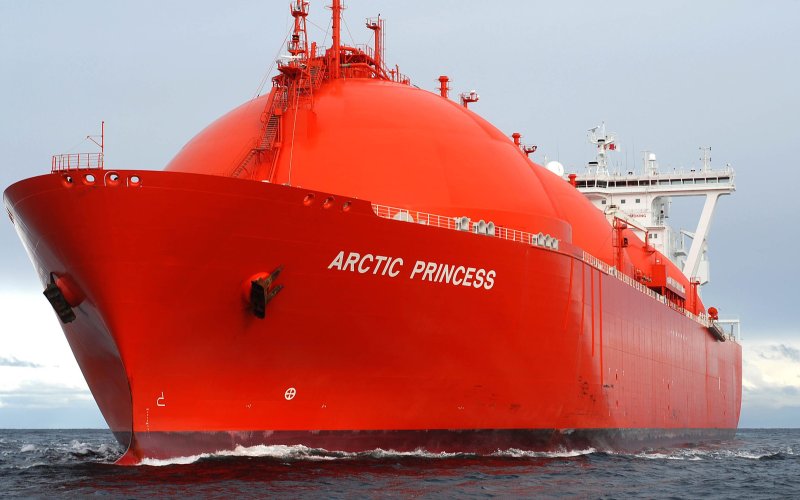
Европа отказывается от американского СПГ: скрытые смыслы энергетического разворота

Europe Turns Away from American LNG: The Hidden Meaning of an Energy Pivot

Europe has effectively halted long-term contracting for American liquefied natural gas in 2026 — just one deal has been signed since January, compared to six across all of 2025. This retreat is unfolding against the backdrop of the EU's public pledge to purchase $750 billion worth of American energy by 2028. The gap between that declaration and actual market behavior is the real story of this energy pivot.

What This Story Is Really About

Economy of Argentina, vigiljournal.com

The economy of Argentina and its attractiveness for foreign investments

Argentina is an economically ambiguous republic, having experienced several ups and downs in the past century. This large state in the early XX century was one of the richest in Latin America, but due to inept policy of the authorities, it twice was on the verge of default and entered the list of third countries of the world. In 2015 Mauricio Macri was elected as the president, who in a short time was able to double the foreign exchange reserves of Argentina. So is it worth investing in this country at the moment?

Brazil, vigiljournal.com

Dilma Rousseff recognizes that there's an economic problem in Brazil

Brazilian President Dilma Rousseff, acknowledged today that there is an "economic problem" in the country, although she hopes that the recovery will come later this year thanks to fiscal adjustments, made by the government.
"Without a shadow of doubt, there is an economic problem in the country. We had a very difficult economic situation," said Rousseff during a meeting with bloggers and journalists from several Brazilian news portals.

nuclear_blast

The Nuclear Club: India welcomed, Iran shunned

The language is white hot. Israeli Prime Minister Binyamin Netanyahu tells the US Congress to reject any deal with Iran. The red line for him has been crossed a long time ago – namely, when Iran began to enrich uranium. What Netanyahu wants is to end Iran’s nuclear program. What ambiguity lies between the civilian and military program must not be considered – none of it should be allowed.