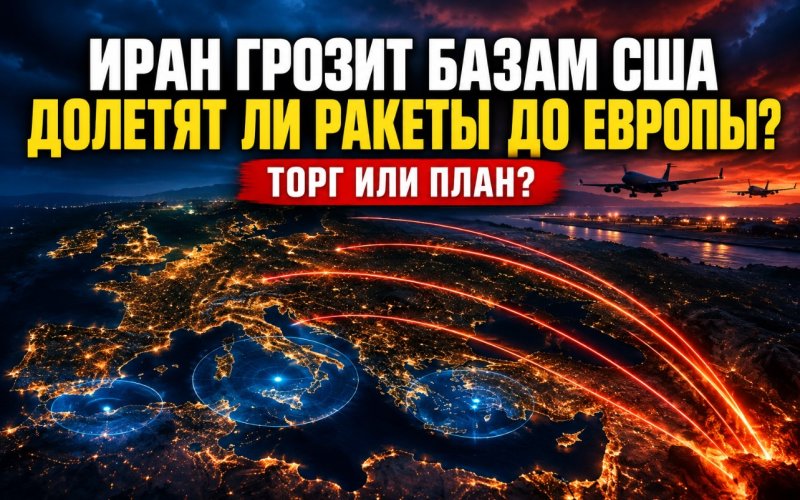
Иран пригрозил ударами по американским базам в Европе

Iran Threatens Strikes on US Bases in Europe

Mohsen Rezaei, secretary of Iran's Supreme National Security Council, has said American bases in Europe will become legitimate targets for Iranian strikes if the United States attacks Iran again. Is this bargaining, an attempt at intimidation, or the outline of a real plan? Can Iranian missiles actually reach Europe? And what happens to the continent's security if the words turn into action? I have gathered reports from Iranian, Western and regional sources and tried to make sense of them.
Улыбка Даунинг-стрит и переобувание Фараджа: когда война Трампа подпалила брови британским политикам

The Smile on Downing Street and Farage's U-Turn: When Trump's War Singed a Few Eyebrows in Westminster

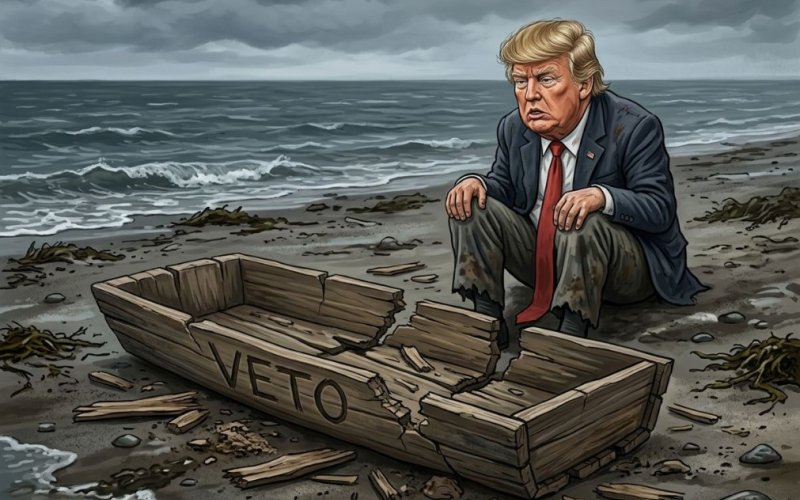
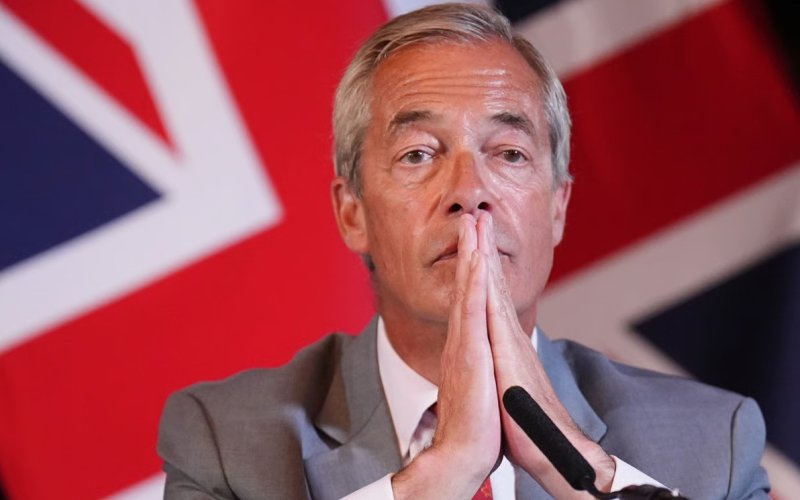
Labour's delight at the Republican rout didn't outlast a cup of tea going cold. Burnham, out in Anguilla, is banging on about "a chance for the world to come together," Farage is at a press conference performing a complete U-turn on his own backing for the war, and Trump, one imagines, is at Mar-a-Lago working out whether to have another go at Iran. Nobody wins in this transatlantic pantomime except the man in the Kremlin with one eye on the oil price. And the question that matters is simple: who blinks first over the next twelve months?

От глобализации к геоэкономике: как санкции, чипы и редкоземельные металлы меняют мировой порядок

From Globalization to Geoeconomics: How Sanctions, Chips and Rare Earths Are Rewriting the World Order

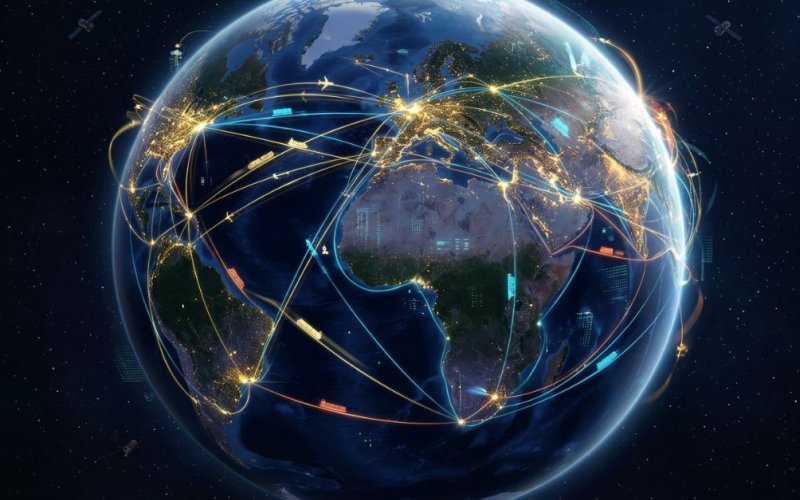
Globalization is not dead. It has stratified. Consumer goods still cross borders with the same old ease, but beneath the surface of the familiar world a new tectonics has emerged: chips, rare earths, energy and maritime chokepoints have become a battlefield. Economic efficiency, the god of the past thirty years, has yielded to a new idol: shock resilience. And whoever grasped this first is already rebuilding supply chains while the rest continue to believe the brochures about a "post-polar" world.

Кто такие курды и почему они влияют на политику региона

The Kurds: Who They Are and Why They Shape the Region's Politics

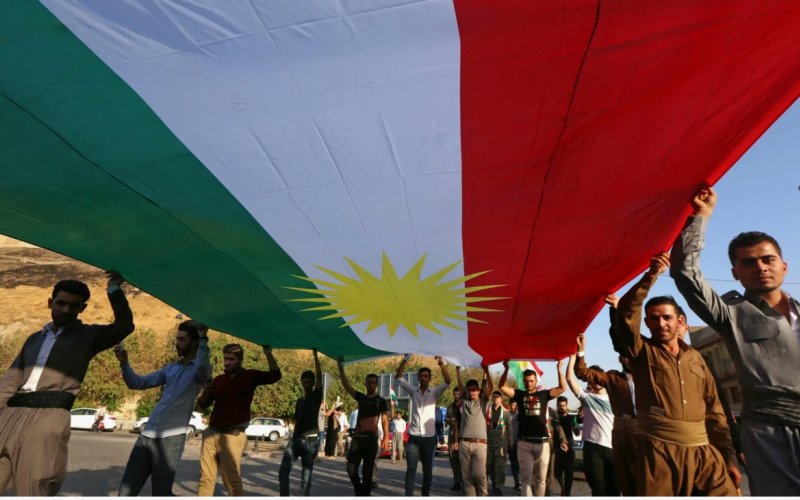
The Kurds are perhaps the largest people in the region without a state of their own. For that reason, almost any major dispute between their neighbors sooner or later touches their interests. Where do the grievances come from? Whom have the Kurds backed, and whom have they opposed? What has changed in the past year?

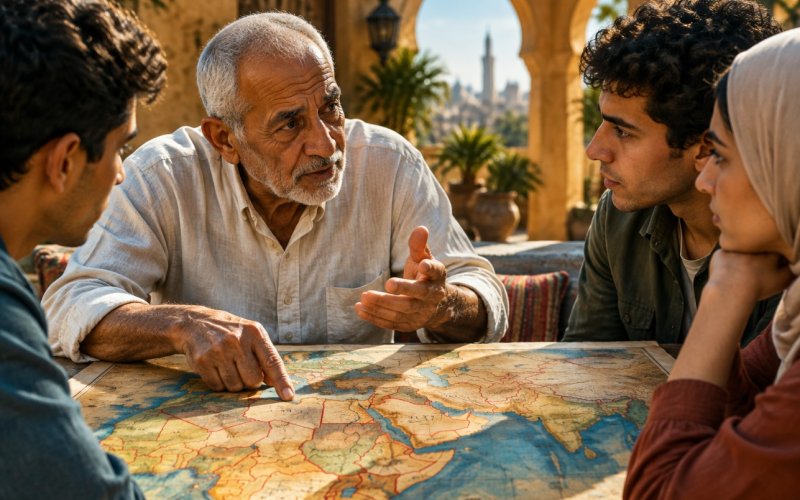
Some people see the Kurds only as fighters, and others see them only as victims. To both groups I would say this: the conversation should begin with a map, not a weapon, because the Kurds did not draw the map.

Послание Хассана

Hassan`s Message - Wars in the Middle East and Africa: The Role of Colonial Borders

Many people do not understand the roots of the conflicts in the Middle East and Africa, and this is especially true of the younger generation. As someone who lives in these regions, and as a representative of VIGIL Journal, I want to offer some explanations, first of all to our young people, who carry our hopes.

Ахмед Адель Хассан

The Middle East on the Brink: A New Escalation With Iran

Across the Middle East, governments are preparing for a possible return to large-scale fighting while trying to head it off through diplomacy. Iran is showing off its missile capabilities. Israel is debating a military operation that could bring it into direct confrontation with Tehran. Saudi Arabia, Turkey and Pakistan are sending their top defense and intelligence officials to the Iranian capital. This is no longer an exchange of statements: states are coordinating their actions in case the political standoff slides back into direct war.