Санкции и расчёты: как Латинская Америка работает вне доллара

Sanctions and Settlements: How Latin America Operates Beyond the Dollar

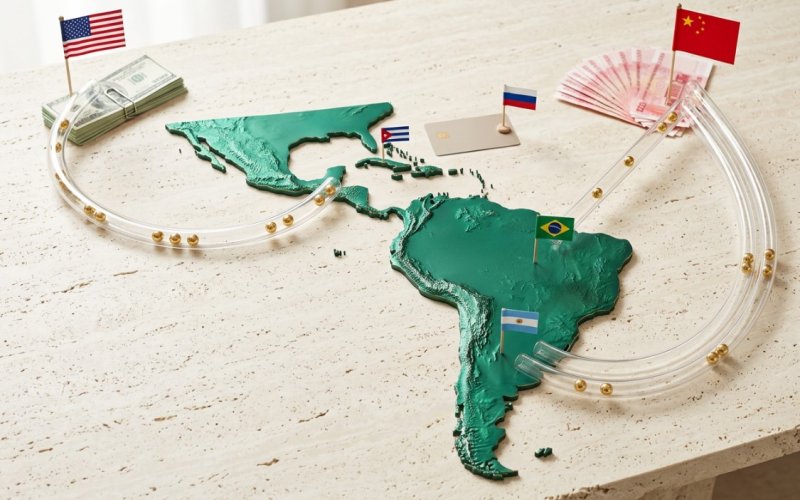
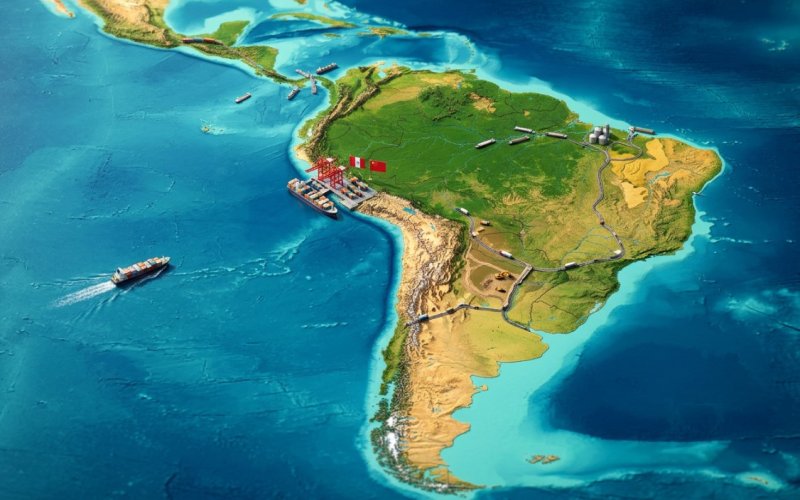
The region is not abandoning the dollar, but it is increasingly refusing to rely on it alone. Argentina keeps a yuan credit line, Brazil is building direct payment channels with China, and Cuba and Venezuela are hunting for workarounds. How does it all work? What do the numbers show? And how is Washington responding?

The Dollar Stays, but Not Alone

Отдых в Латинской Америке: куда ехать и какие риски учесть

Vacationing in Latin America: Where to Go and What Risks to Consider

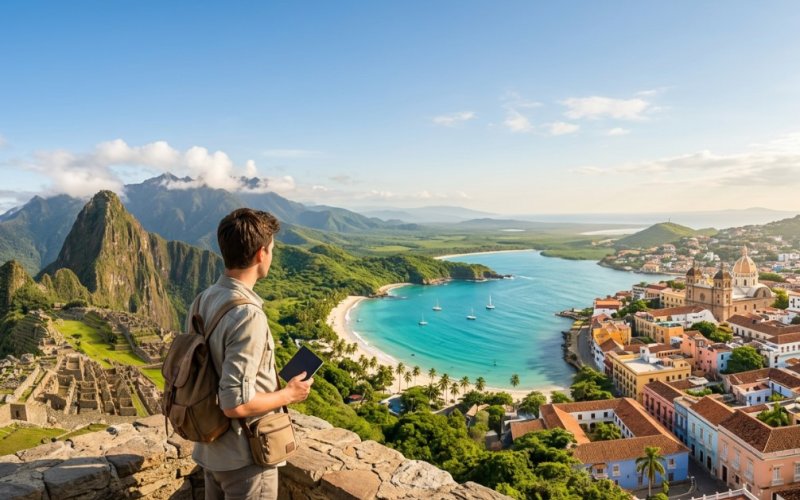
For Russians, a vacation in Latin America comes down to route, season and area of stay, not visas. Where is the weather right now suitable for travel, which countries admit Russians without a visa, and what real threats does a traveler face? We begin with the journey and documents, because they determine the budget.

Visas and Getting There

Аргентина

Prices in Argentina: What It Costs to Live Remotely

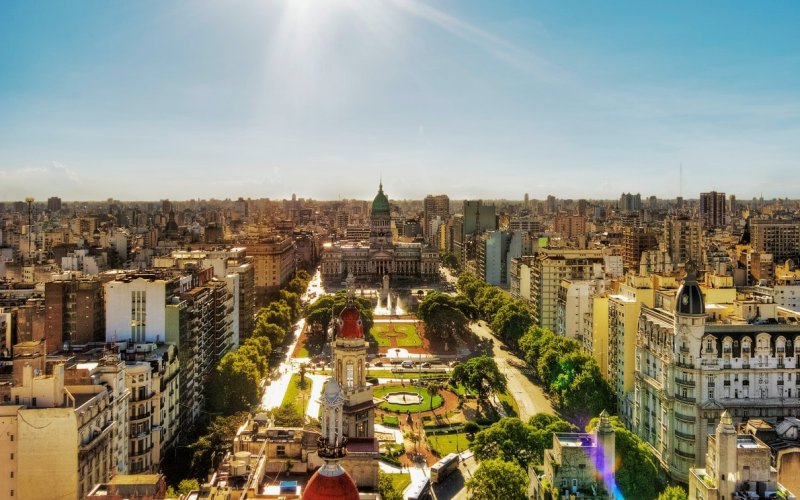
Prices in Argentina have risen in dollar terms for remote workers, even though inflation in pesos has slowed. Is it realistic to get by on 1,400 dollars? How much does a comfortable life in Buenos Aires cost? And where is it cheaper to settle? Let's start with the exchange rate, because everything else depends on it.

The Exchange Rate and Inflation: Why the Country Got More Expensive

Выборы в Бразилии 2026: сценарии для США и России

Brazil’s 2026 Election: Scenarios for the United States and Russia

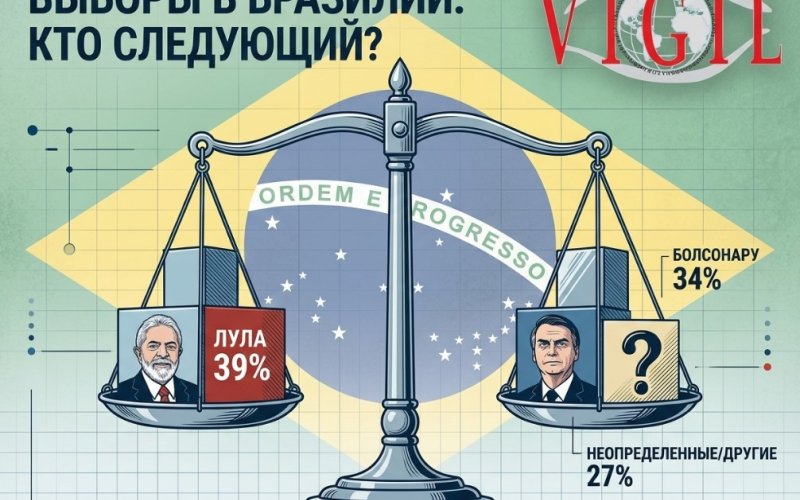
On October 4, Brazil will elect a president amid a high Selic policy rate of 13.75% and pressure on the real from a strong dollar. The outcome will determine whether the country remains within the orbit of U.S. economic policy or strengthens its multipolar course within BRICS. Which scenario is more likely, and what would it mean for the United States and Russia?

Macroeconomic Context: High Rates, Slowing Growth and Elections

Русские в Америке: что изменилось?

Russians in America: What Has Changed?

Four years ago, within weeks of February 24, 2022, thousands of Russians were searching for tickets to any country they could still fly to. Today, in October 2026, the picture looks fundamentally different. Entry to the United States has formally become harder, the number of people wanting to leave for good has fallen, and among those who have already left, a growing number are discussing a return. The wave of emigration has not fully receded, but it has changed form.

Демография - новая реальность: почему меньше не значит хуже

Demographics: The New Reality - Why Less Doesn't Mean Worse

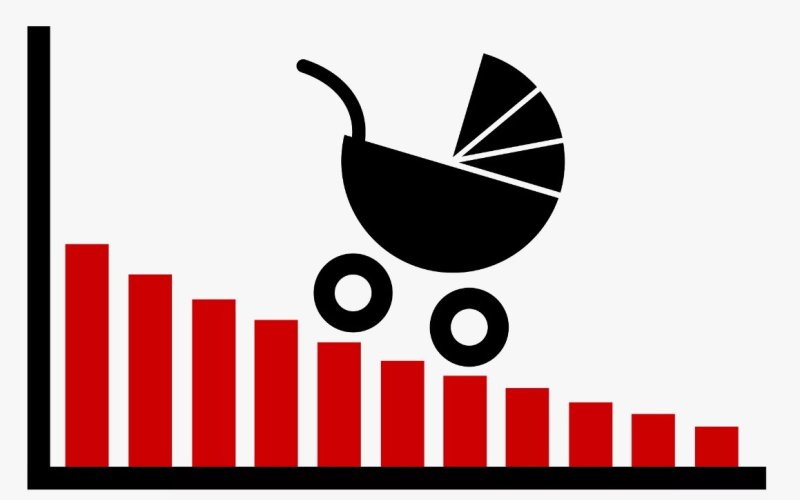
For the first time in the history of recorded statistics, global fertility has dropped below the level at which population can replace itself. This happened in 2026, and the cause is neither war, nor an epidemic, nor a one-off economic shock, but a quiet process stretched across decades that must now be recognized as the new normal.

A Threshold Crossed for the First Time in Recorded History