Россотрудничество

Soft Power — Why Is Russia Falling Behind?

If you've ever wondered why Russia's military strength, ranked second in the world by Global Firepower, fails to translate into comparable global influence, the answer hides in a single figure: the budget of Russia's principal soft power institution, Rossotrudnichestvo, is roughly 5.5 billion rubles a year, and only a quarter of that sum goes toward actual projects, while the rest is consumed by rent, salaries, and the upkeep of more than 80 "Russian House" representative offices.

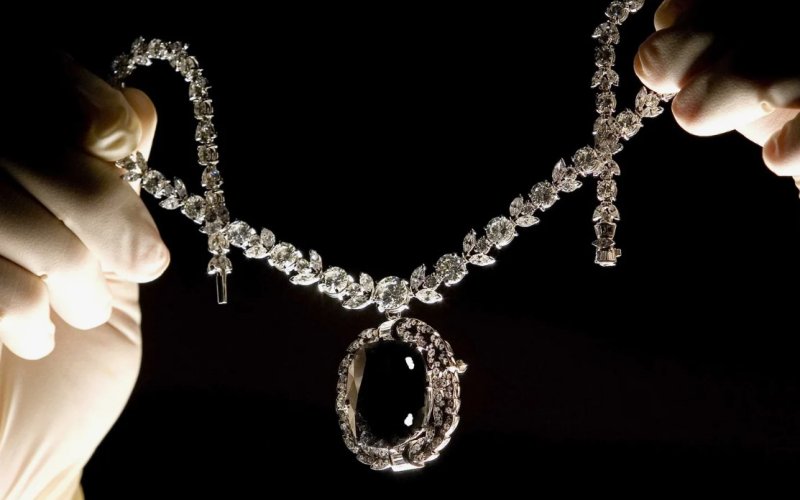
Черный бриллиант

Brazil's Black Diamond: The 200-Year Mystery of Carbonado That Science Still Can't Solve

The phrase "black diamond – Brazil" in gemology almost always refers to one and the same phenomenon: a unique variety of diamond called carbonado, found in only two places on the planet, one of which is located precisely in the Brazilian state of Bahia.

What Carbonado Is and Why It's Been Found Only Twice in Earth's History

Университет Куба

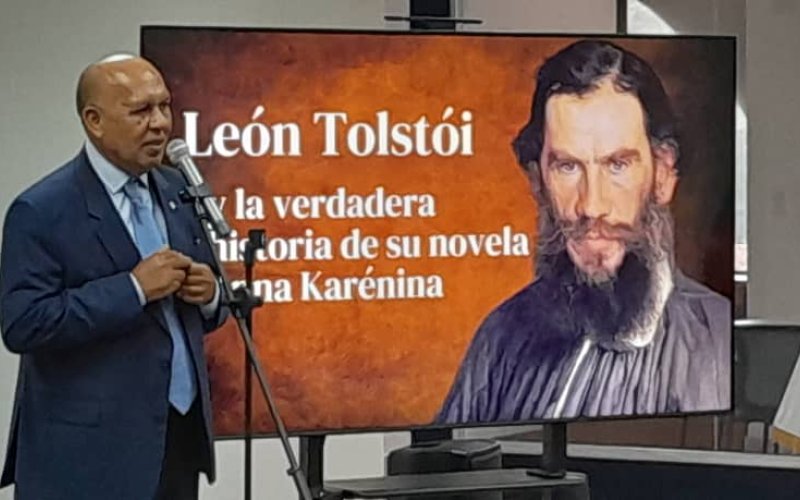
Russian Schools and Universities in Latin America: Where Russian-Speaking Specialists Are Trained

If you are interested in Russian schools and universities in Latin America that train Russian-speaking specialists, in education abroad, in scholarships for admission to Russian universities, or in career prospects within the Russian-speaking environment—the Latin American direction is today one of the fastest-growing segments in Russia's system of international education, covering roughly 5,000 students and dozens of active schools and university programs.

Russian From the School Desk: Open Education Centers

Мягкая сила России в Латинской Америке: язык, культура и русская диаспора

Russia's Soft Power in Latin America: Language, Culture, and the Russian Diaspora

Russia's soft power in Latin America remains predominantly a formal instrument of foreign policy: despite the region's geographic remoteness, Moscow views it as a strategically significant direction, yet real efforts to promote the Russian language, culture, and diaspora engagement noticeably lag behind the declared ambitions.

Why a Distant Region Matters to Moscow

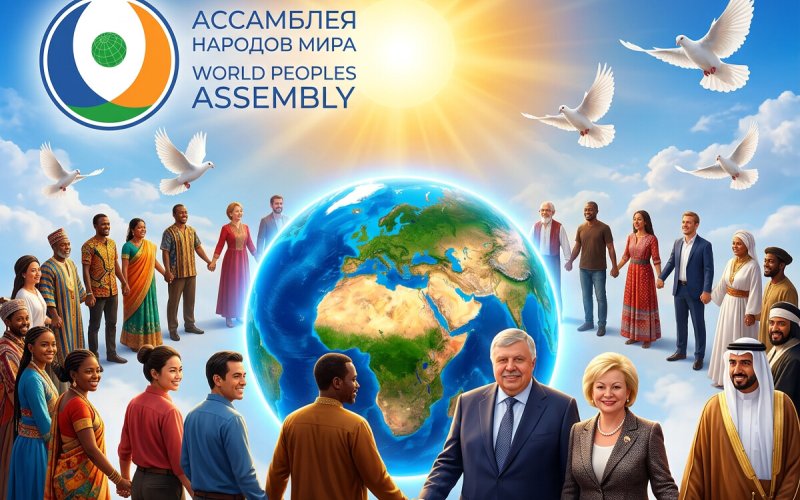
Ассамблея Народов Мира: дипломатия снизу, которая работает, vigiljournal.com

Assembly of the Peoples of the World: Diplomacy from Below That Works

We are all well aware of the United Nations, which has lost much of its relevance; NATO, teetering on the brink of collapse; and the CIS, effectively frozen. The great institutions of high-level politics are stalling as the world cracks at the seams. But while some structures fade, others are born. Have you ever heard of the Assembly of the Peoples of the World?

From Eurasia to the Planet

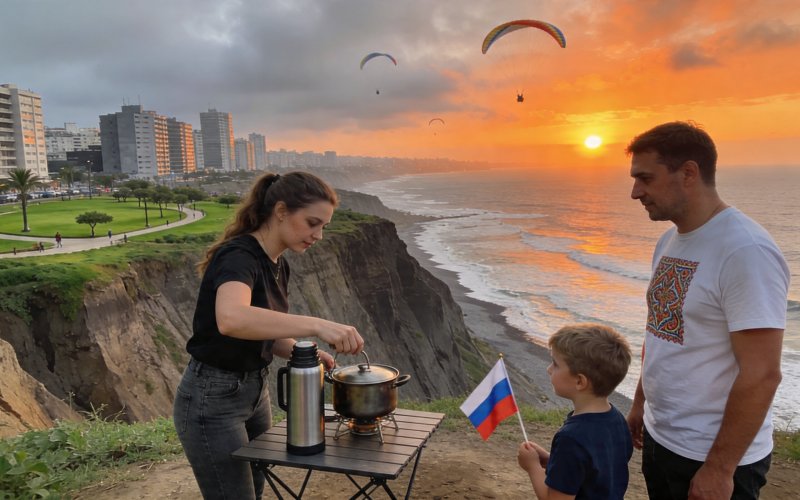
Русские в Перу - Россия под перуанским небом: две тысячи судеб на другом конце планеты

Russians in Peru – Russia under the Peruvian Sky: Two Thousand Destinies on the Other Side of the Planet

Lima. The Pacific Ocean. Tropical sun that almost never shines through the famous grey mist. Somewhere in Miraflores, the upscale district of the Peruvian capital, a Russian woman is cooking borscht while a Spanish-speaking metropolis hums outside her window. She came here twenty years ago – for love. And stayed. There are about two thousand people like her here. Not many. But each one is a universe unto themselves.

The First Russian Footprint: The Ship Suvorov and an Inca Chronicler

Venezuela, vigiljournal.com

Venezuela: A Country of Contrasts, Where Paradise Meets Chaos

In a land where the majestic Andes meet the Caribbean Sea, where Angel Falls, the world's highest waterfall, plunges from the sky onto the lost world of the tepuis, lies a country of striking contrasts: Venezuela. This land is blessed with the world's largest oil reserves but cursed by political turmoil that has transformed what was once a prosperous state into a stage for dramatic events.


Население Бразилии, vigiljournal.com

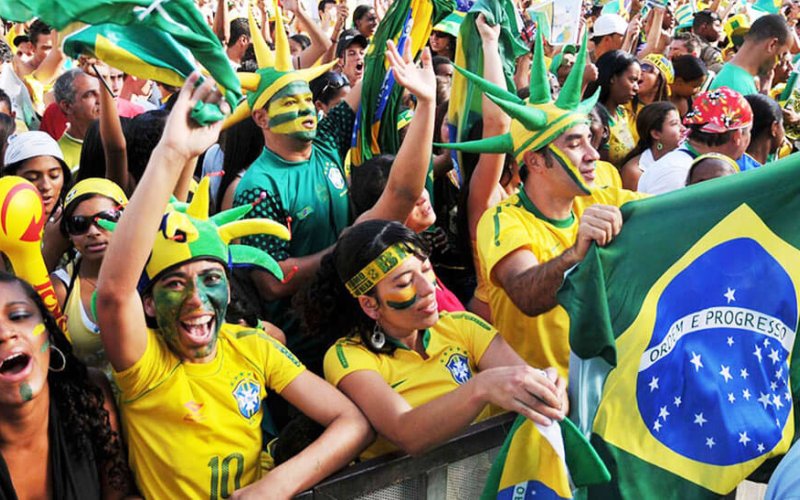
Brazilian population

In terms of population, Brazil ranks sixth in the world. The nation was formed on the basis of alliances of representatives of the Caucasian, Mongoloid and Negroid races. Its main feature is considered to be a mixed ethno-racial structure: in the family of each Brazilian there are ancestors originating from different parts of the world. The number of residents is growing steadily due to the influx of immigrants.

Historical features of the formation of the population of Brazil

Глиняная "библиотека" мексиканского штата Гуан-Хуатло, vigiljournal.com

Clay "library" of the Mexican state of Guang-Huatlo

 The collection of the ancient artifacts of Julsrud from the Mexican state of Guang-Huatlo still causes conflicting opinions of scientists, but the amazing library of tens of thousands of exhibits speaks for itself.

 A small hill of El Toro in the Mexican state of Guan Huatlo. In the summer of 1944, a successful businessman from Denmark, Waldemar Julsrud, who had his own store in the small town of Akambaro, set off on a morning walk near El Toro. Here, clay figurines accidentally caught his eye. One of them resembled a mammoth.