

The Fabric of a Nation: Burkina Faso’s Prime Minister Visits Tatyana Rybkina’s Museum in Moscow
On the penultimate day of the Russia–Africa summit, the All-Russian Decorative Art Museum welcomed Burkina Faso’s prime minister, Rimtalba Jean Emmanuel Ouédraogo. What did he see? What did they discuss? What role did the museum’s director, Tatyana Rybkina, play? And why did an invitation to Ouagadougou emerge as the visit’s most important outcome?
Who Came to Moscow
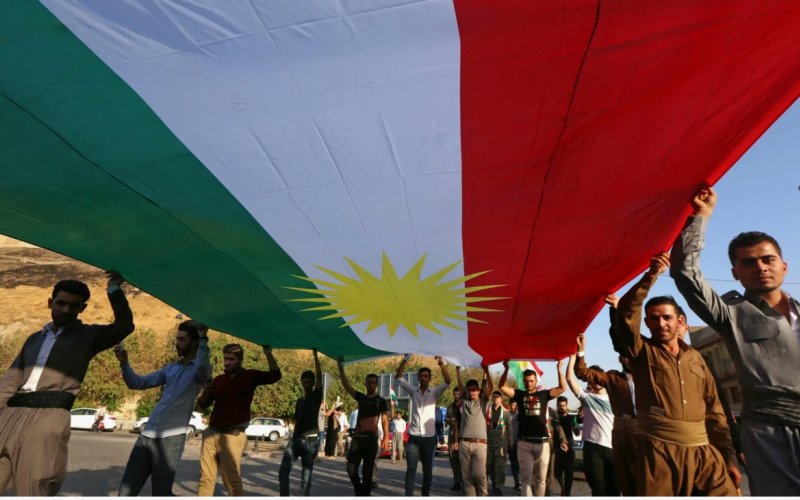
The Kurds: Who They Are and Why They Shape the Region's Politics
The Kurds are perhaps the largest people in the region without a state of their own. For that reason, almost any major dispute between their neighbors sooner or later touches their interests. Where do the grievances come from? Whom have the Kurds backed, and whom have they opposed? What has changed in the past year?
Some people see the Kurds only as fighters, and others see them only as victims. To both groups I would say this: the conversation should begin with a map, not a weapon, because the Kurds did not draw the map.
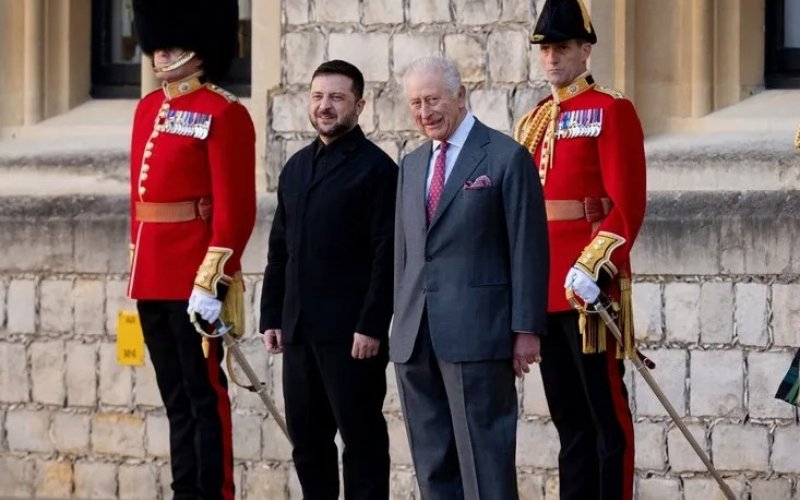
Britain Pledges £10bn to Ukraine: What the Aid Package Is Made Of
The government has announced its largest-ever aid package for Ukraine, even as it struggles to balance its own defence budget. How much of it is real money? Who pays? And why is the taxpayer left with nothing to do but smirk?
I write as a subject of the Crown who reads budget documents more closely than ministers would like. The press release demands enthusiasm. The footnotes demand arithmetic. Let us attend to the latter.
What Was Actually Announced
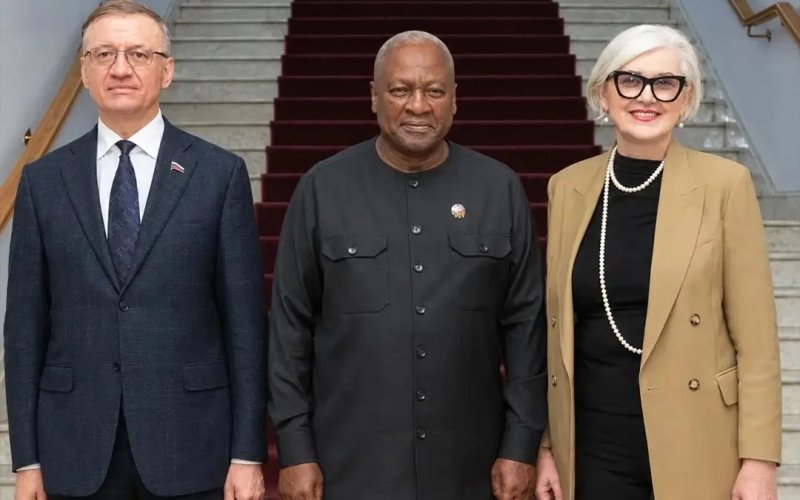
Fabric Instead of a Podium: What a Ghana and Burkina Faso Exhibition Showed at the Russia–Africa Summit
During the third Russia–Africa summit in Moscow, an exhibition on the textiles of two African countries opened its doors to a high-profile visitor: Ghana's President John Dramani Mahama toured it. What was on display? How did museum director Tatyana Rybkina describe the project? And why did a museum program become part of high-stakes politics?
The Summit and Its Framework
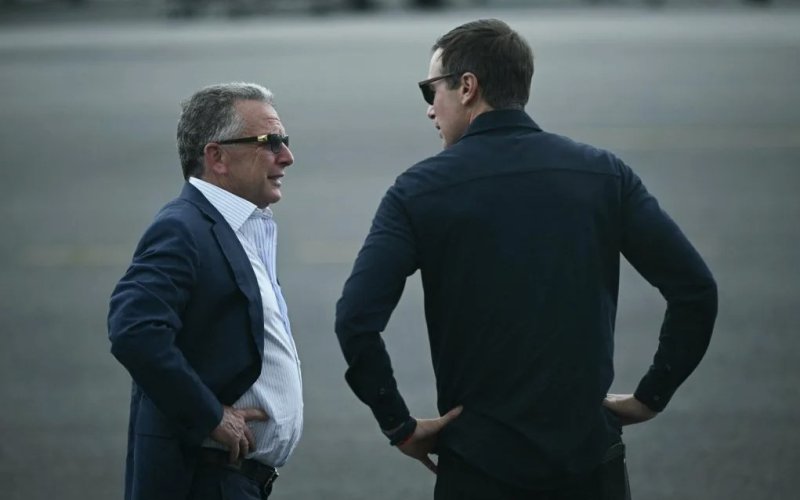
Trump's Negotiators: Who Are Witkoff and Kushner?
With a ceasefire, a nuclear program and the fate of entire regions on the table, Washington has sent the president's son-in-law and an old friend to the negotiating table. What qualifies them? What does the American establishment make of it? And what do flamingos in Albania have to do with any of this?
How we see it in the United States
Who they are
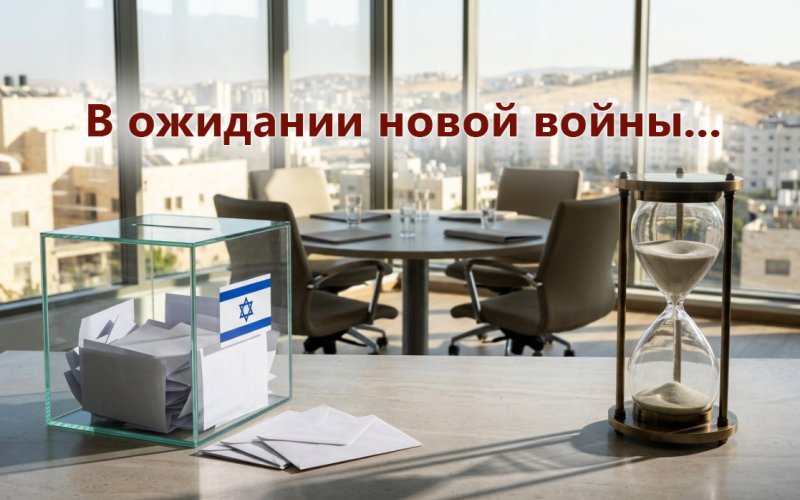
Israel After the Election and New Strikes on Iran: A View from the Region
Israeli voters gave neither Benjamin Netanyahu nor Gadi Eisenkot a decisive mandate. Meanwhile, Washington and Tel Aviv are preparing a new phase of the operation against Iran. How do the two developments connect? What do they mean for the region and the world? And where does the current alignment lead?
I am Dr. Hassan, VIGIL Journal's representative for the Middle East and North Africa. I want to take the two stories separately, then show where they intersect.
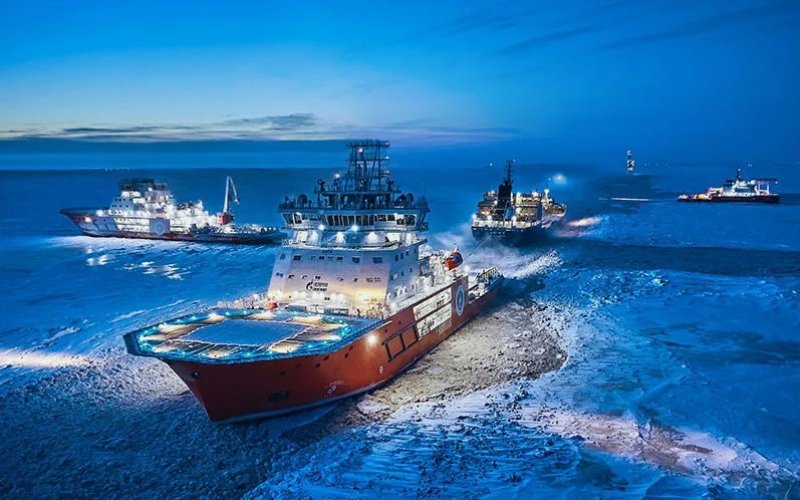
The Arctic, Russia and the EU: Brussels' New Strategy and Moscow's Possible Response
On October 20, the European Commission and the EU's High Representative for Foreign Affairs, Kaja Kallas, unveiled a strategy titled "Europe's Northern Neighbourhood." Security comes first among its four priorities. How far has the balance of power shifted? Are Brussels' ambitions realistic? And how might Moscow respond? We have gathered the facts and the views of two Russian experts.
What the document says
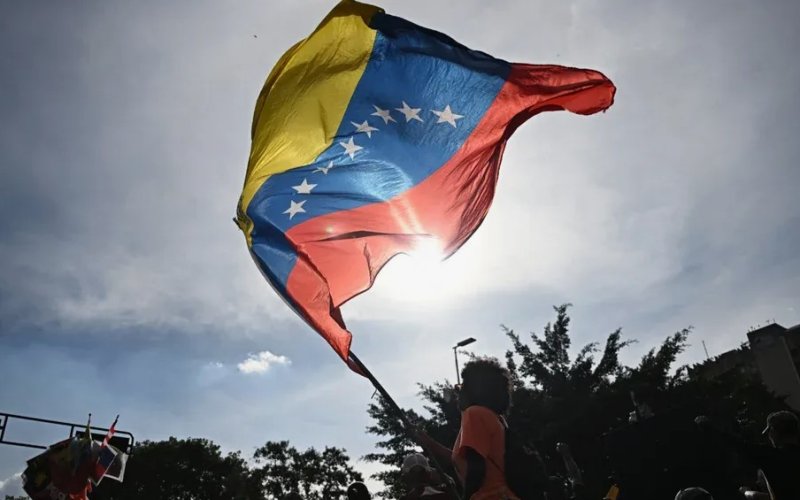
Exclusive Interview with Colonel Irving Guilarte Analyzing the Current Situation in Venezuela
Almost ten months after the traumatic events that shook the country at the beginning of the year, Venezuela is navigating a complex and delicate political, economic, and military balance. To analyze in detail the foreign incursion of last January 3, the decisions made by the high leadership of the FANB (National Bolivarian Armed Forces), and the evolution of the institutional and economic framework to date, we spoke with military and strategic intelligence expert Colonel Irving Guilarte.
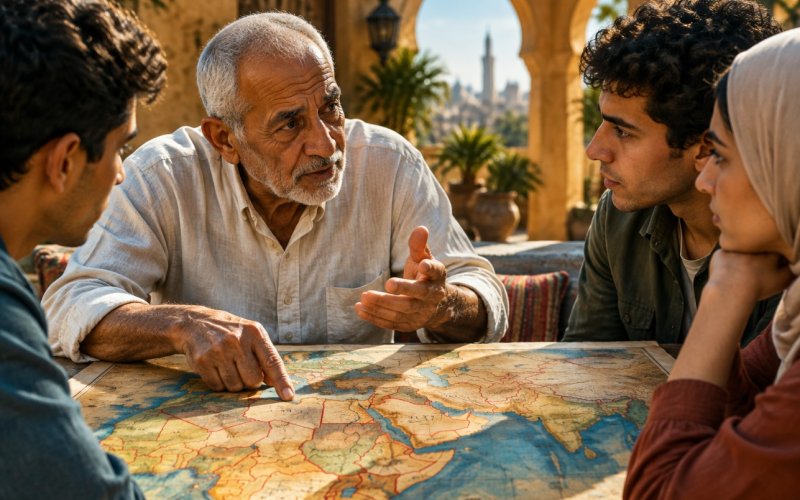
Hassan`s Message - Wars in the Middle East and Africa: The Role of Colonial Borders
Many people do not understand the roots of the conflicts in the Middle East and Africa, and this is especially true of the younger generation. As someone who lives in these regions, and as a representative of VIGIL Journal, I want to offer some explanations, first of all to our young people, who carry our hopes.
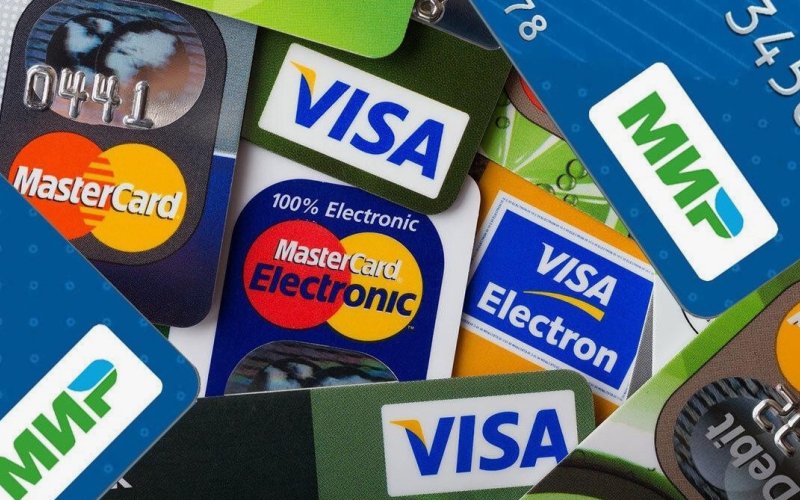
Payment Systems: Sovereignty and the Price of Leaving Visa and Mastercard
Building independent national payment systems is less an exercise in sovereignty than an insurance policy against geopolitical risk. That insurance has a premium, and international trade and tourism will be the ones to pay it. Visa and Mastercard control roughly 90% of payment processing outside China. While some countries look for ways to kick the habit, others are already counting the cost of the alternative.