



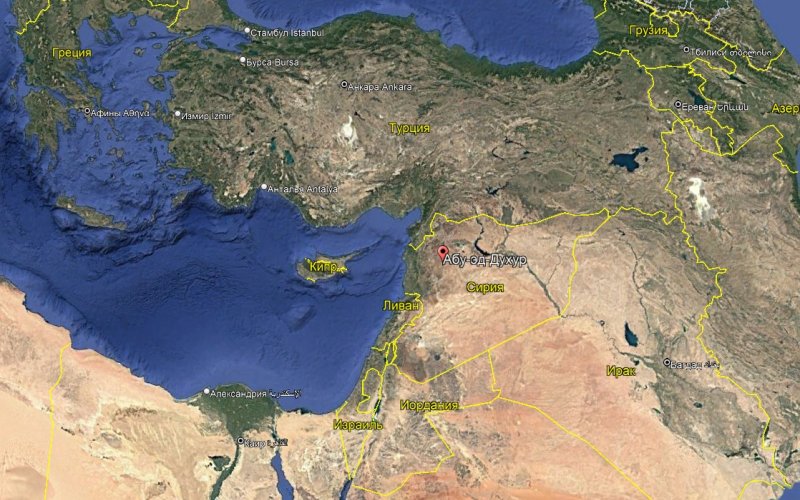
The Middle East has entered an entirely new gray zone. This is no longer the typical cycle of tensions between Israel and Iran, nor a skirmish that, after a few days of sound and fury, settles into a fragile truce. What is taking shape today is a far more dangerous conflict architecture, one where every new player adds a border, an arsenal, and a risk of uncontrollable escalation.
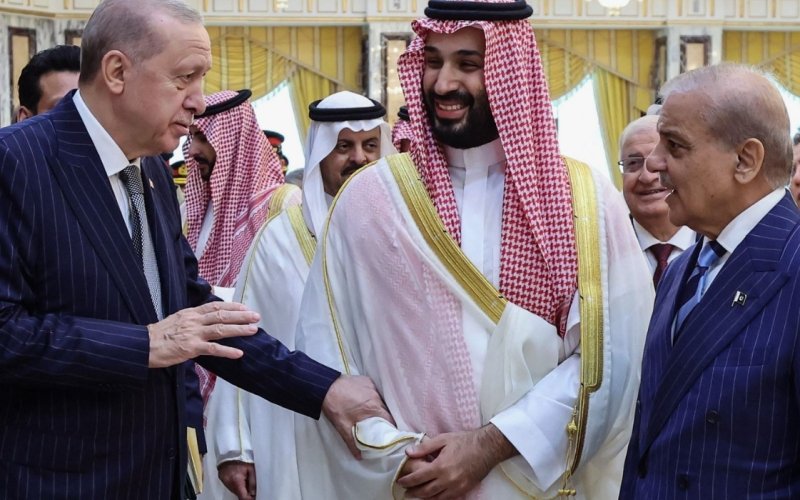
The most unsettling trigger of this new phase is the Mecca Joint Defense Agreement, signed on August 7 by Saudi Arabia, Turkey, and Pakistan. On paper, it stipulates that an act of aggression against any one of the three is equivalent to an attack against all of them. It is not formally an "Islamic NATO," but it suddenly connects three key regions: the Gulf, Anatolia, and South Asia.
Every alliance seeks to deter, but its double edge is fearsome. It aims to raise the cost of attacking so high that an enemy thinks twice, yet the real danger lies in the possibility that a local spark could force Riyadh to call for help and automatically drag in Ankara and Islamabad.
This is where the board changes dimension, since Pakistan is a nuclear-armed power, and Turkey has the heaviest military in the region along with a foothold in NATO.
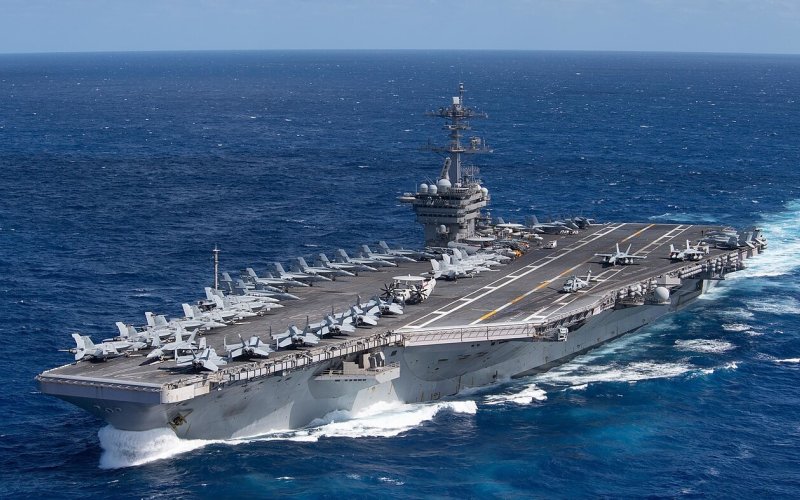
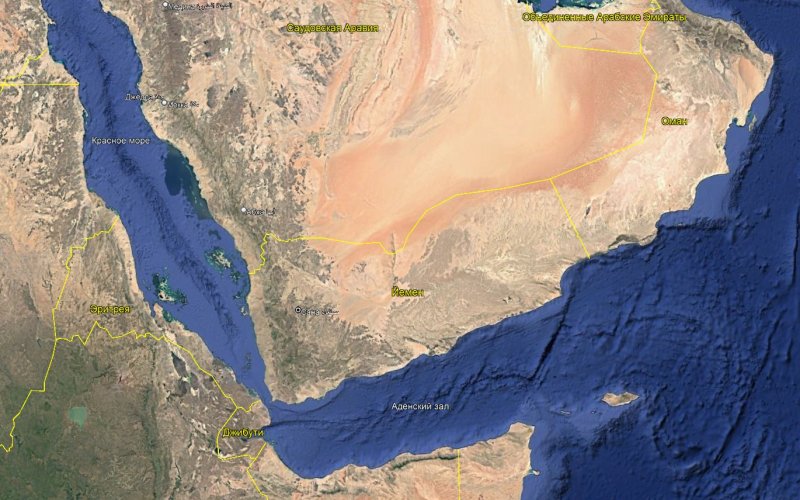
The conflict has turned into a web of interlocking crises that includes direct military pressure from the United States and Israel on Iran, the Israeli offensive dismantling Hezbollah's infrastructure in Lebanon, Houthi attacks striking Saudi interests, and the constant threat of regional militias.
Added to this is the Kurdish factor and speculation about incursions into Iranian territory exploiting Tehran's weakness. If an outside power were to use Kurdish groups to open a land front inside Iran, it would force Turkey to react for its own national security, setting off a chain of dominoes impossible to predict. A modern war is rarely born from a master plan; it almost always begins from an accumulation of miscalculations that no one intended to unleash.
The subterranean dimension of the war, marked by the systematic destruction of Hezbollah's tunnels and hidden bases, is bringing armies closer to facilities of an opaque nature. And that is where the nuclear ghost returns to the table.
Talking about nuclear weapons does not mean assuming a catastrophe is a given, but recognizing that the margin for error has shrunk to zero. On one hand, the International Atomic Energy Agency (IAEA) has spent more than a year unable to fully verify Iran's program, and the UN has once again referred the file to the Security Council. Fewer inspections mean less information; less information breeds paranoia, and paranoia leads to interpreting any defensive move by a rival as the prelude to a lethal attack.
With Israel maintaining its nuclear ambiguity and Pakistan in the equation, any misstep could shake not only the Gulf but the delicate balance of the entire Asian continent.
What is truly chilling about this moment is that no actor needs to want a world war in order to trigger one. In the eyes of each government, every individual decision seems perfectly rational: Israel seeks to neutralize existential threats, Iran needs to preserve its deterrence, Saudi Arabia protects its borders, Turkey curbs Kurdish expansion, and Pakistan honors its defense pacts. The problem arises when all these logical reasons collide with one another in a space saturated with missiles, tunnels, and distrust.
We no longer depend solely on what Washington, Tel Aviv, or Tehran decide. The emergency brake now rests in the hands of Riyadh, Ankara, and Islamabad. And behind this last capital, inevitably, looms the heaviest shadow of nuclear deterrence.
THERE IS NOTHING MORE EXCLUSIONARY THAN BEING POOR.








.png)
.png)

.png)
.png)