


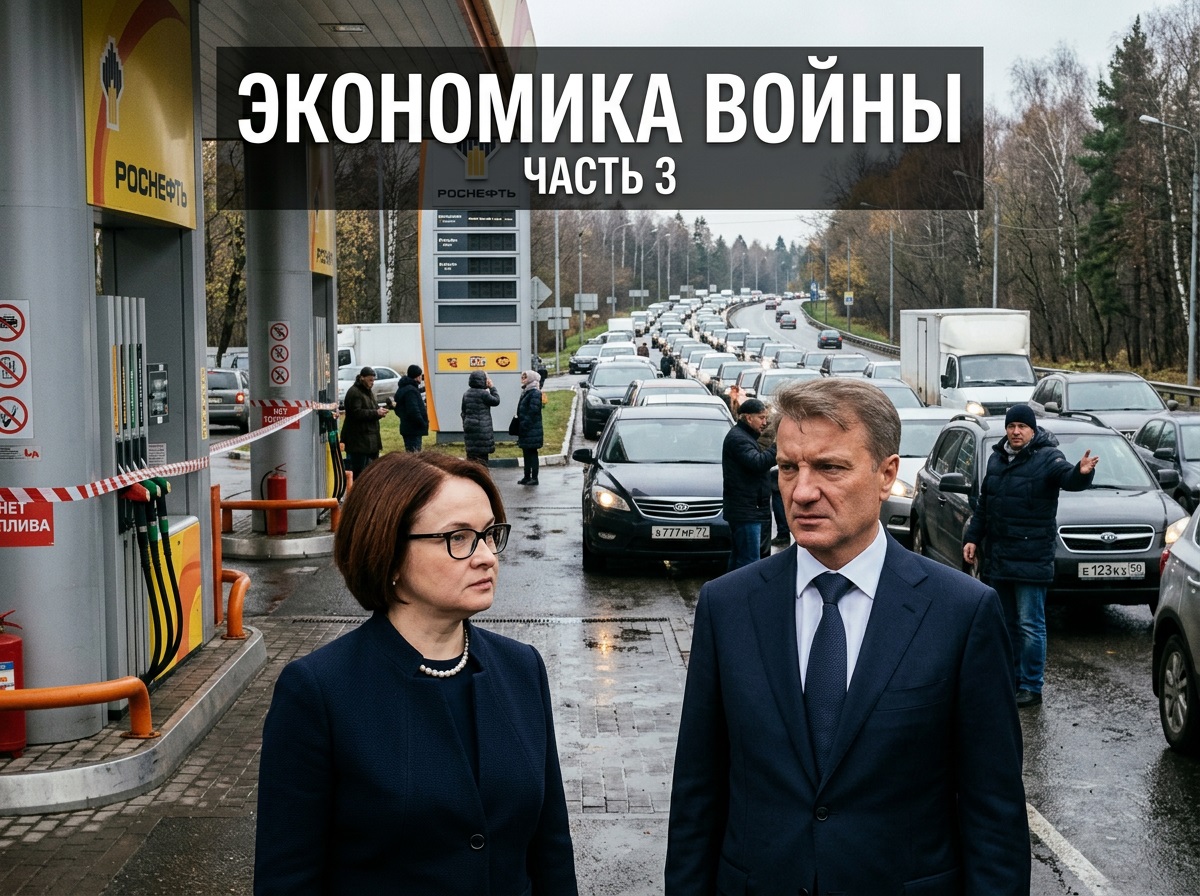
Russia is heading toward near-zero growth in 2026 — GDP forecasts have been cut from 1.3% to 0.4%, with Sberbank warning of the risk of economic "overcooling." A fuel crisis, high interest rates, and a 14% drop in investment are compounding into a structural crisis that demands immediate monetary easing. Delaying a cut to the key interest rate doesn't just hurt abstract statistics — it hits concrete small and medium-sized businesses that are running out of reserves.
What This Story Is Really About
This is a convergence of three crises at once: fuel, credit, and investment. Real GDP contracted 0.2% in the first quarter — the first such decline in three years — while investment plunged 14.3%. Sberbank CEO Herman Gref called Russia's continued growth a "miracle," stating that the economy "simply cannot withstand the burden of extremely high real interest rates for long."
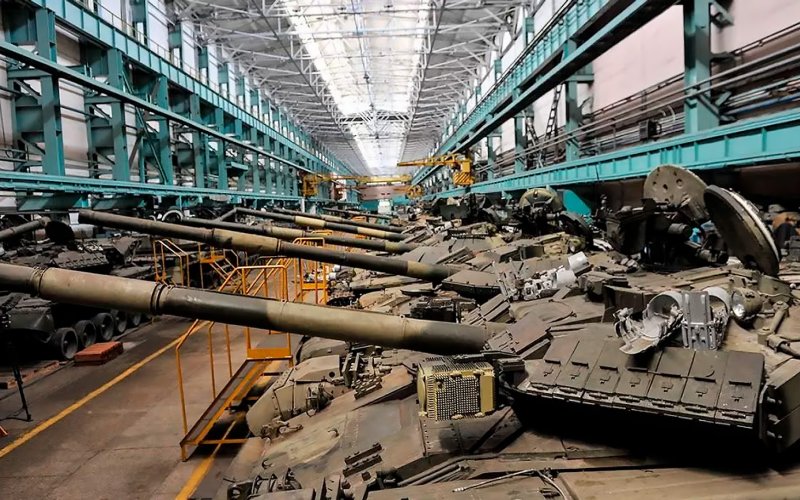
The fuel crisis has delivered a second blow. Drone strikes on oil refineries have plunged the country into its deepest fuel shortage since the start of the war, with rationing introduced in more than half of Russia's regions. Even Putin has publicly acknowledged "a certain shortage" of fuel. A deputy governor of the Central Bank stated bluntly that the refinery situation "will affect GDP figures for the year."
How This Hits Business and People
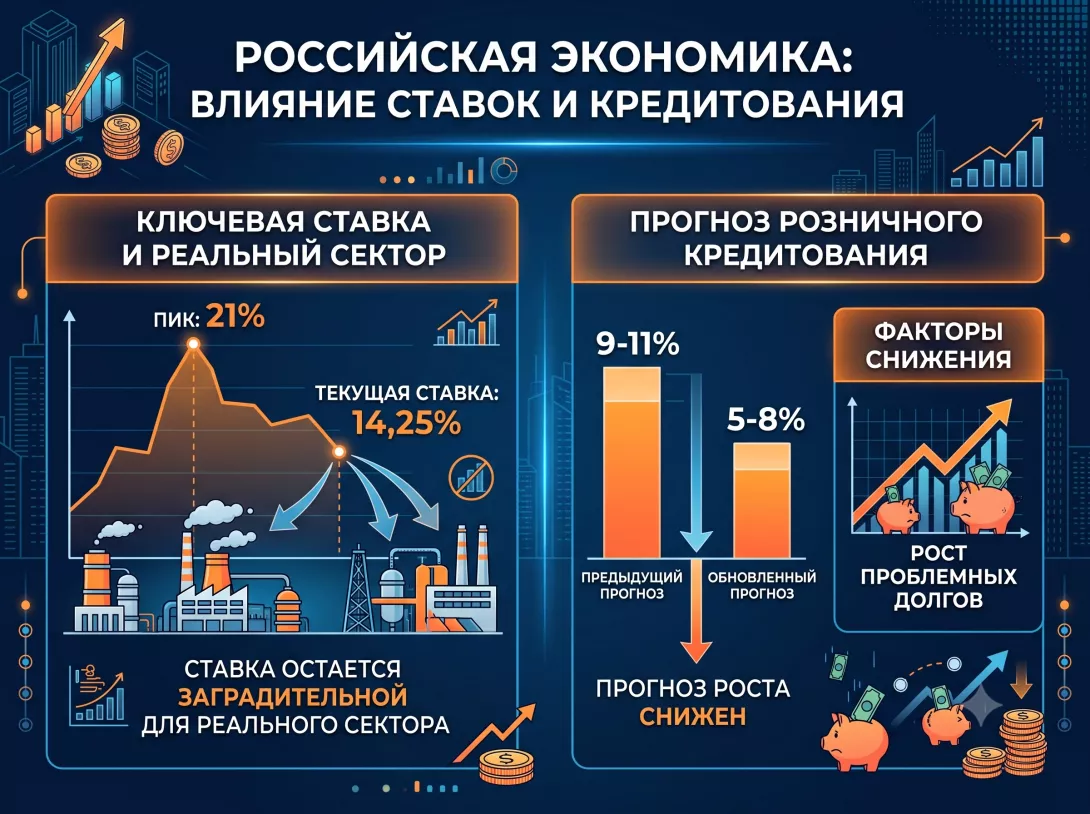
The key rate, at 14.25% after peaking at 21%, remains prohibitive for the real economy. Retail lending growth forecasts have been cut from 9-11% to 5-8% amid rising bad debt. Small and medium-sized businesses are the most vulnerable category of borrowers — they lack access to the subsidized government programs available to large companies, and they have no capital reserves to survive months of expensive credit.
Russians' economic pessimism has reached a 20-year high, according to Gallup data — a direct reflection of gas station lines and the inability to secure loans being felt by millions simultaneously.
Why Delay Is Dangerous
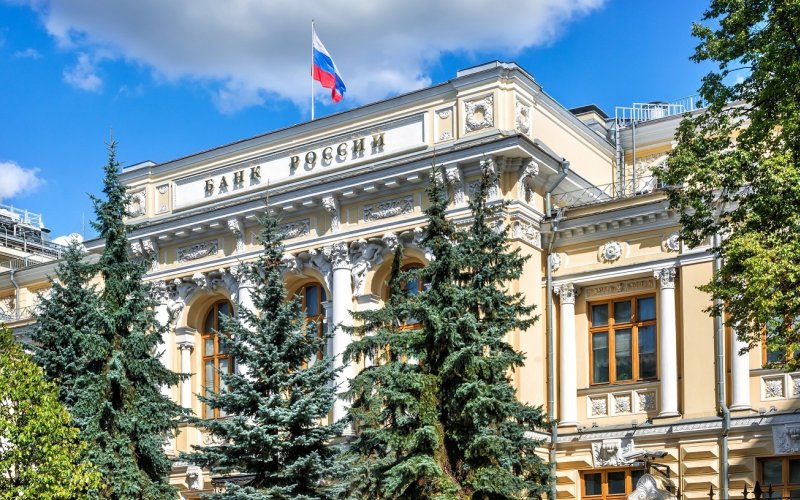
The Central Bank has warned that the budget deficit and fuel disruptions could force the regulator to keep rates elevated longer than planned. This is a trap: the longer rates stay high, the faster the investment base shrinks — the very foundation needed to pull the economy out of crisis. Meanwhile, inflation forecasts have already been revised upward to 5.7%, meaning tight monetary policy isn't working when the root cause is a supply shortage, not excess demand.
Forecast
If the rate stays above 14% and the fuel shortage remains unresolved, Russia faces not a classic recession by autumn, but a slow strangulation of the private sector through credit contraction. Large companies will survive on budget financing. Small and medium-sized businesses have no such cushion — their decline will happen quietly, through closures rather than dramatic bankruptcies.
What Needs to Be Done
Accelerated cuts to the key rate should become the Central Bank's priority, even at the cost of temporarily deviating from the inflation target corridor: current inflation calls for untangling fuel bottlenecks, not monetary tightening. In parallel, targeted support programs for SMEs are needed — subsidized refinancing and tax deferrals for affected regions. Refinery repair and protection deserve priority funding, given a macroeconomic impact comparable to that of monetary policy itself.
Saving small and medium-sized businesses now means preserving the tax base and employment for years to come. Crushing them with high rates during a structural shock buys short-term stability at the cost of long-term economic degradation.








.png)
.png)

.png)
.png)