



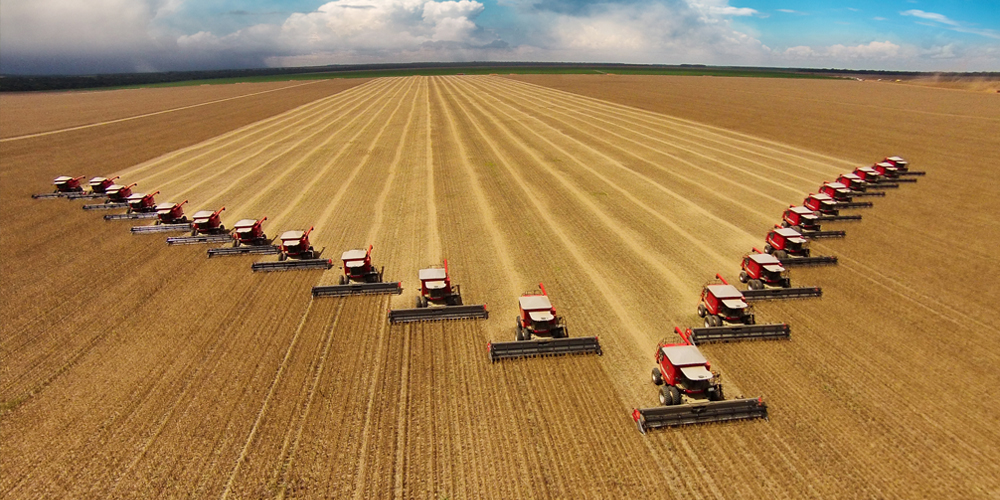
While experts promise Russia a record harvest and the status of savior of the global food market, the real financial indicators of farmers tell a different story: the share of profitable farms has fallen to 71.8%, and the harvesting campaign is lagging three times behind last year's pace. Behind the rosy macro forecasts lies a systemic crisis at the level of individual enterprises.
Financial Collapse in Primary Production
Rosstat data for January–April 2026 records a serious deterioration in farmers' standing: the share of loss-making farms in crop and livestock production rose from 19.6% to 28.2%, while the share of profitable ones fell from 80.4% to 71.8%. Losses at agricultural organizations grew 1.7-fold, to 62.8 billion rubles, while industry profits fell by 20.9%, to 217.9 billion rubles.
Tellingly, the crisis is concentrated precisely in primary production—where the actual product is created: grain, meat, milk, fish. Processing, meanwhile, is faring in the opposite direction.
Processors vs. Producers: Who Wins
Processors earn on products whose cost base is shaped by producers, and it is the producers who bear all the costs of rising fuel prices, logistics, and equipment maintenance. This is a classic case where losses concentrate at the start of the chain while profit accumulates at its end.
Harvest Campaign: A Threefold Lag
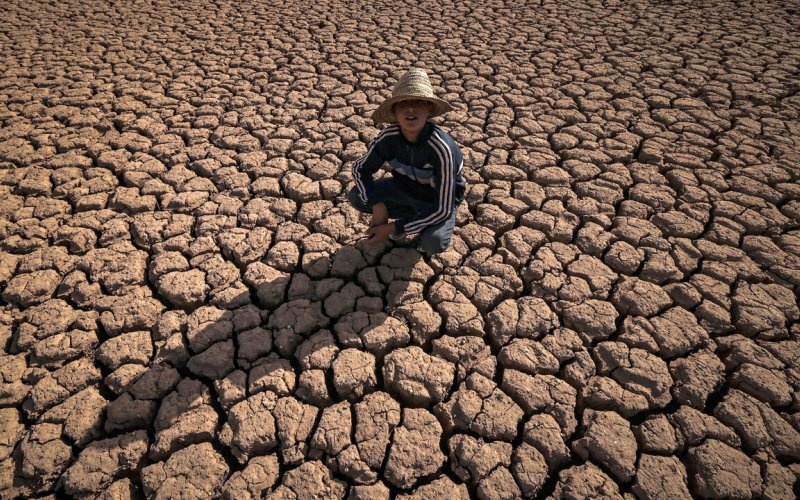
The situation in the fields confirms the financial alarm with numbers from the ground. As of July 1, only 1.3–1.5 million hectares of grain and legume crops had been threshed—three times less than a year earlier, when the figure stood at 4.2–4.6 million hectares. The causes are twofold: abnormally cold weather with prolonged rains in the south and the Volga region has pushed back the growing season by 10–14 days, while the fuel crisis is delaying diesel supplies.
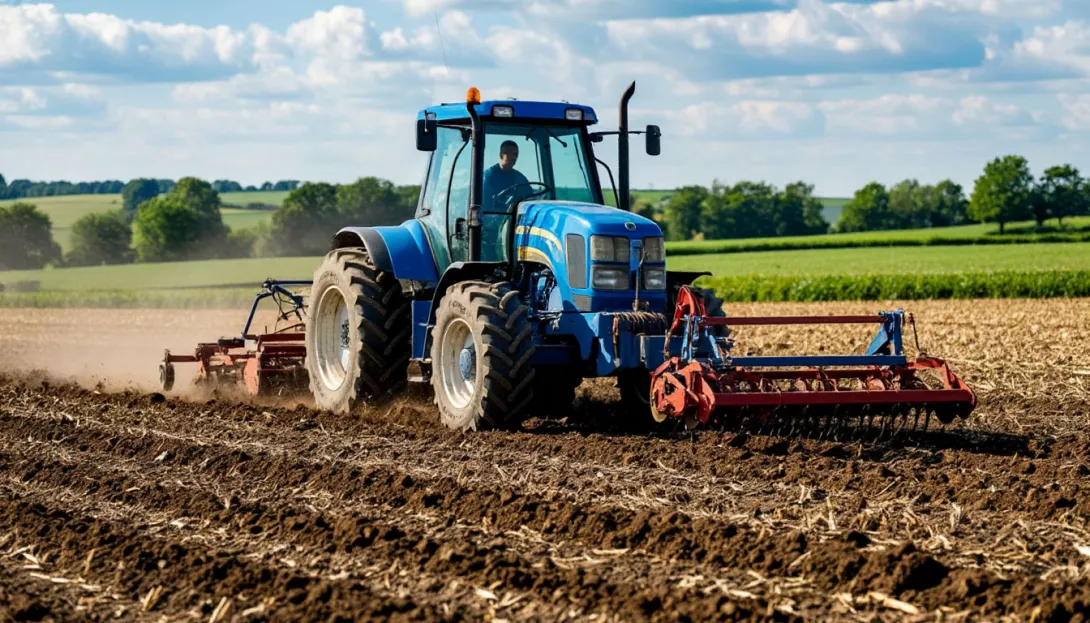
The fuel shortage is already costing farms 2–4% of their daily harvesting volume.
Logistics on the Verge of Breakdown
Rising costs are hitting the entire supply chain at once. Diesel fuel has risen 30% year-on-year, reaching 74.9 thousand rubles per ton on the exchange and nearly 85 rubles per liter at retail, while harvesting one hectare requires 10–20 liters of fuel—farmers' expenses are inevitably climbing. Trucking tariffs have risen 20–30%, and finding vehicles to haul grain has become difficult due to the same fuel shortage.
The rail network in the south is overloaded, delivery times are unpredictable, logistics costs have risen 13%, and port transshipment fees are up 10–15%. Every link in the chain is simultaneously getting more expensive and slower.
The Trap of Low Prices Amid High Costs
The most painful aspect for farmers is their inability to pass rising costs on to product prices. Domestic grain prices are tied to global ones, which are falling due to expectations of a good global harvest.
As a result, profitability at farms with low yields may drop to 0–0.5% or fall into negative territory.
Outlook
The Ministry of Agriculture is counting on accelerating the pace of harvesting, but the industry is increasingly using the word "archaization"—the fear that if the current trend continues, it will lead to a reduction in sown areas as early as next season. If the fuel crisis and logistical disruptions are not resolved in the coming weeks, a record harvest on paper could turn into losses for specific farms on the ground—and then optimistic forecasts about Russia's export potential will collide with the reality of producers going bankrupt before reaching the next planting cycle.















.png)
.png)

.png)
.png)