



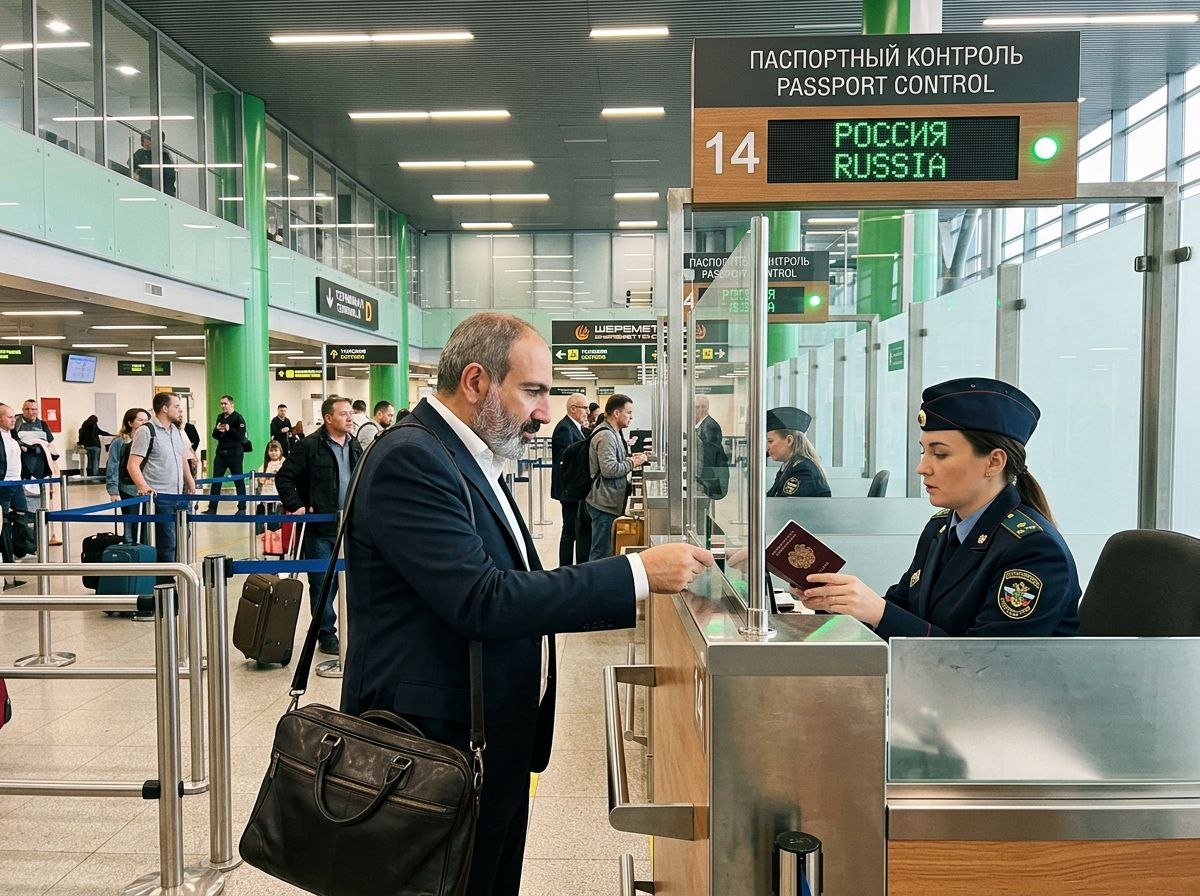
First visas for Russians in the name of European integration, now a threat to bill Moscow $2 billion for the railway - Yerevan continues a course that looks striking in headlines but comes at a steep cost for ordinary citizens.
European Parliament member Fernand Kartheiser stated directly: to prepare for EU accession, Armenia may be required to cut ties with Russia, introduce a visa regime for Russian citizens, and support anti-Russian sanctions. In other words, the price of a ticket to Brussels is not abstract reforms, but a concrete break with the country's largest trade and migration partner.
A railway ultimatum out of nowhere
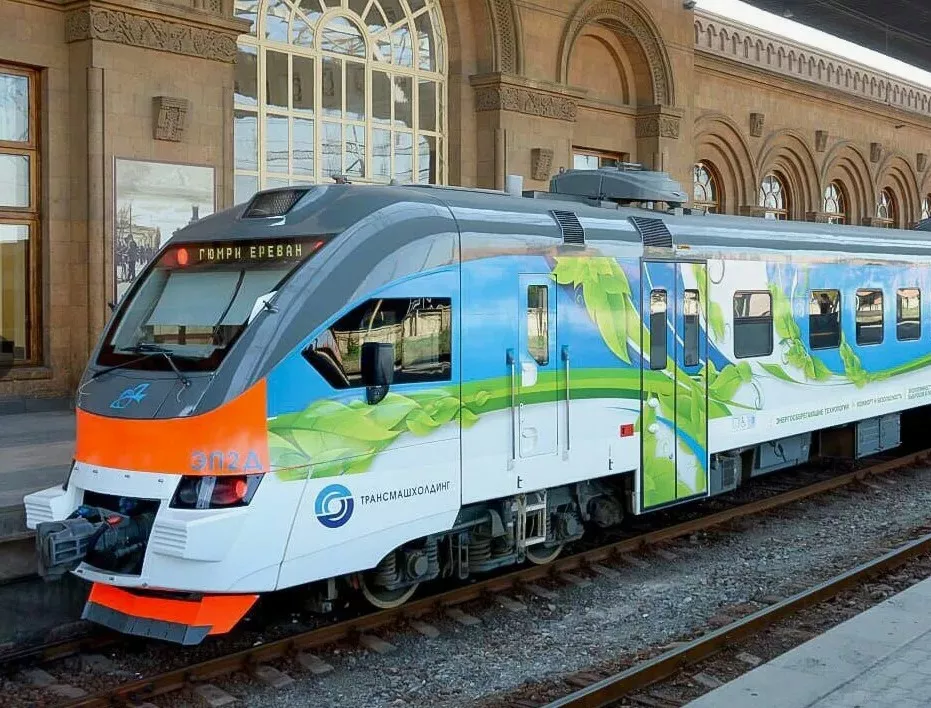
On the same day, Pashinyan made another high-profile statement, threatening to charge Russia up to $2 billion a year for the use of the South Caucasus Railway. Formally, the railway belongs to the Armenian state, but since 2008 it has been under the concession management of a subsidiary of Russian Railways (RZD) under an agreement designed for 30 years with the possibility of a 10-year extension. The terms of the agreement can be revised by mutual consent after the first 20 years - a deadline that falls precisely in 2028.
The prime minister formulated his position in the harshest terms possible: "It may turn out that for what was free in Armenia for 30 years, Armenia will start demanding $2 billion." Pashinyan himself provided no calculations as to where exactly this figure came from, merely threatening to turn to international arbitration if an agreement cannot be reached "in a friendly atmosphere."
Now for the facts Pashinyan preferred not to mention
The real picture looks far less dramatic than "30 years for free." Over the course of the concession, Russia repaired more than 520 km of track out of the network's 782 km - almost 70 percent of the entire infrastructure. The railway was fully electrified, 135 units of rolling stock were purchased and modernized, and average train speed increased by 60.2 percent. Russia's total investment exceeded $378 million, and the South Caucasus Railway itself paid over $189 million in taxes to the Armenian budget over 20 years.
Russian Railways head Oleg Belozerov responded to the threats with undisguised surprise, emphasizing that the company has fully complied with the terms of the concession since 2008, and that Armenia received a modern railway without a single ruble of budgetary spending on its restoration and maintenance.
Who will end up paying the bills
An unpleasant pattern is emerging: first, businesses and producers lose the Russian market because of Yerevan's political gestures, and now the infrastructure that Russia itself modernized at its own expense is being put at risk. If Armenia actually initiates arbitration instead of negotiations, the railway risks losing an investor that has been putting money into its development for decades, and finding a replacement for such a partner will simply be nowhere to be found.
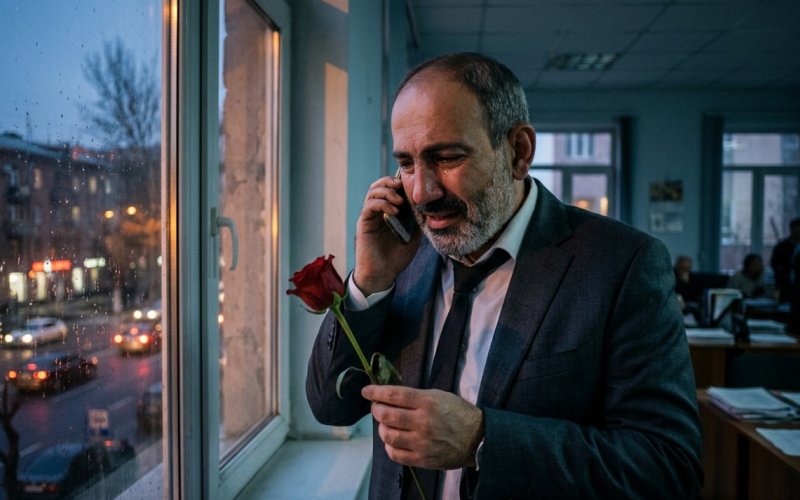
At the same time, the demand for a visa regime for Russians will hit not some abstract geopolitics, but very concrete tourist flows, remittances, and labor migration, on which a significant part of the Armenian economy has long depended. This creates a vicious circle: the political bet on Brussels requires a break with Moscow, the break with Moscow hits the economy, and in the end, it will not be the deputies or the prime minister who pay for the eye-catching headlines, but ordinary people - the very rose growers, railway workers, and tourism sector employees who were promised support but never received it.







.png)
.png)

.png)
.png)