


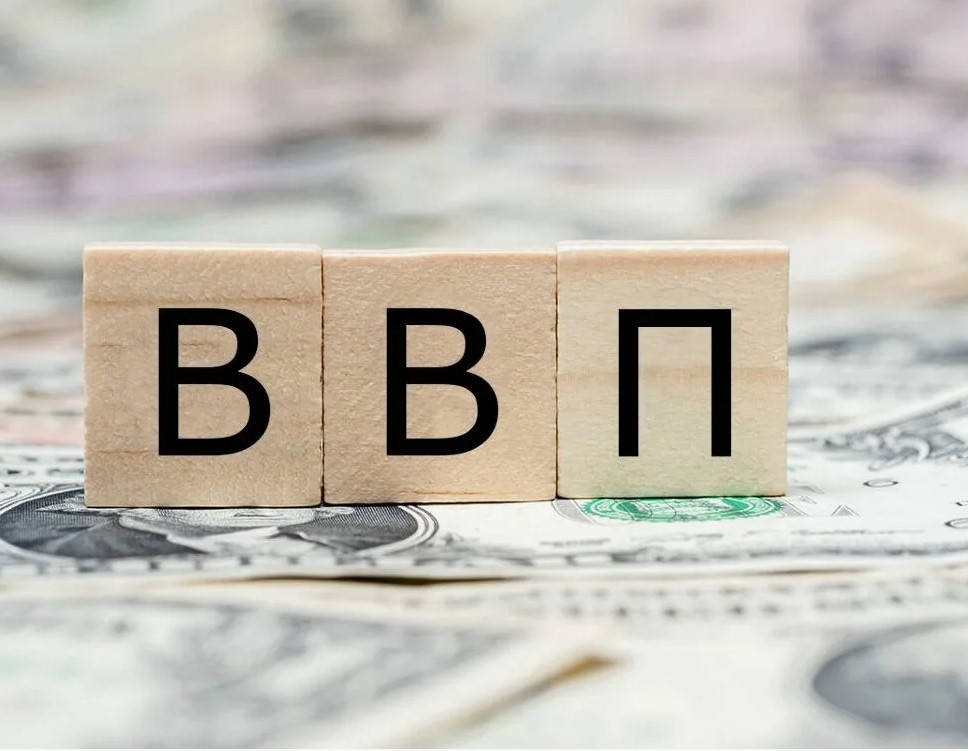
GDP has stopped being a reliable barometer of economic strength and stability. Events of recent years have turned it into a decorative gauge that shows growth where people are getting poorer, and prosperity where ecosystems are collapsing. Here is a fresh look at an old number.
GDP Counts Everything Except What Matters
The IMF openly admits that GDP "is not a reliable measure of welfare." It adds up all goods and services, regardless of whether $100 was spent on a concert ticket or on a lawsuit. Deforestation or overfishing formally boost GDP, even though they cause serious harm in reality. UN Secretary-General Guterres has stressed that GDP shows the price of everything but does not reflect the true value to society. Tellingly, even Simon Kuznets, the architect of the modern GDP concept, warned back in 1934 that "the welfare of a nation can scarcely be inferred from a measurement of national income." Ninety years have passed, and we still haven't listened.
The Numbers Lie, People Suffer
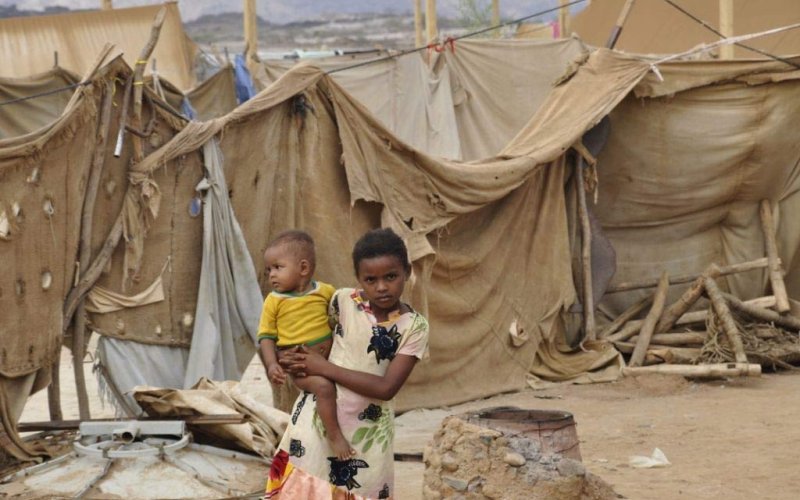
Between 1980 and 2025, global economic activity contracted only twice — during the 2008 crisis and the pandemic. By GDP standards, humanity has never been richer. Yet trust in institutions has collapsed, inequality has widened, and young people in wealthy countries report anxiety and isolation. The gap between economic output and lived experience is becoming harder to ignore. Experts argue that GDP-centrism has deepened the crises of recent decades — from the COVID-19 pandemic to climate collapse. Growth is there, but life hasn't gotten better — a familiar story.
The African Paradox as a Mirror of the Problem
In 2014, Nigeria rebased its GDP for the first time in two decades — and it nearly doubled, from $270 billion to $510 billion. The country became the continent's largest economy overnight. But did anything actually change for Nigerians? No. Meanwhile, the informal economy accounts for two-thirds of all employment in sub-Saharan Africa, and 50-65% of total output in Nigeria specifically. A metric that ignores such a substantial share of economic activity cannot serve as a reliable basis for investment decisions. They simply revised the methodology — and the country "grew." Magic, not economics.
The UN Says: Enough
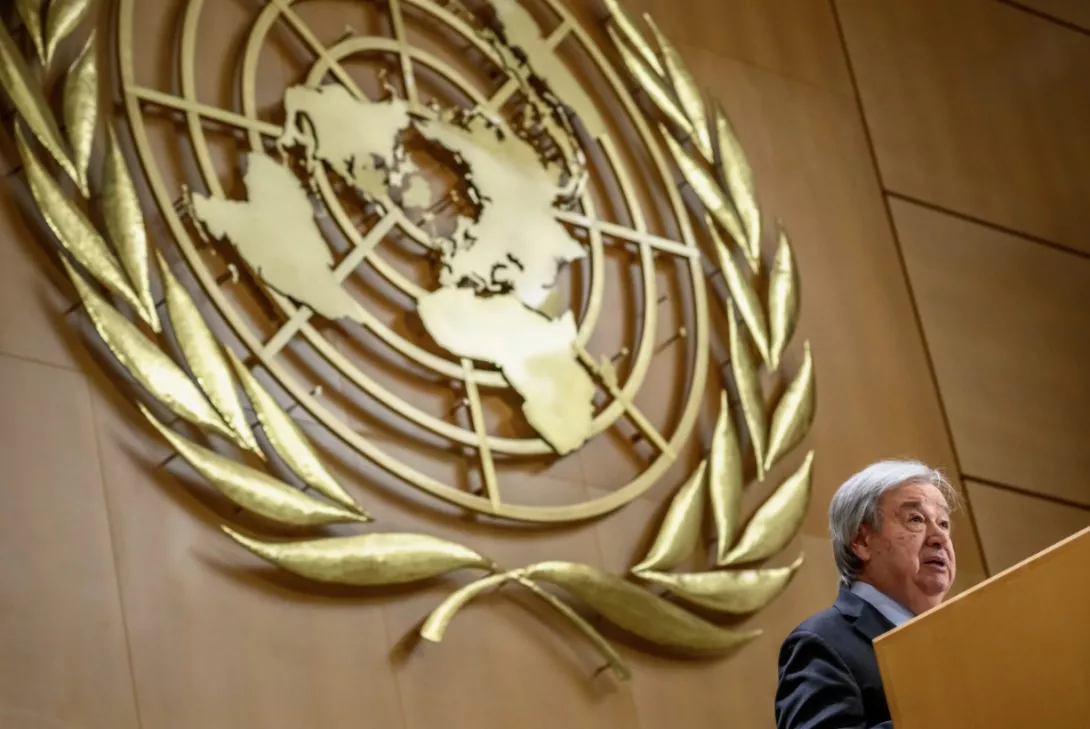
In May 2025, the UN Secretary-General established a High-Level Expert Group on Beyond GDP. In January 2026, a meeting of the world's leading economists, including Nobel laureate Joseph Stiglitz, took place in Geneva. Their interim report warned of "a growing gap between what policymakers and citizens believe is happening and the lived experience of the latter, which does not match the picture painted by GDP figures alone." In May 2026, the group presented a report featuring 31 new indicators — ranging from environmental conditions to social capital. GDP is not being scrapped, it is meant to be supplemented. But the real question is whether we are finally ready to measure what actually matters.
What Lies Ahead
What awaits us is a painful but inevitable shift from a cult of the number to a measurement of reality. In March 2025, the UN Statistical Commission already reformed the System of National Accounts to include natural resource depletion as a cost. New indicators will track not just income, but health, education, social cohesion, institutional quality, and the assets we leave for future generations. Investors who keep looking only at GDP risk buying a pig in a poke — attractive growth on paper and emptiness in reality. The world is changing, and those who fail to revise their criteria will be left holding pretty statistics and bad assets.











.png)
.png)

.png)
.png)