Банковские системы США и Еврозоны: трещины под слоем оптимизма

U.S. and Eurozone Banks: Cracks Beneath the Optimism

The banking systems of the United States and the eurozone look like the star pupil who has memorized the lessons of 2008. Capital is at record highs, stress tests have been passed, and bad loans are under control. But the exam questions have changed, and part of the class has started peeking at the cheat sheet of deregulation. The stability is real, but it rests on a wing and a prayer, a favorable scenario, and the hope that the commercial real estate wall of debt will somehow dissolve on its own.
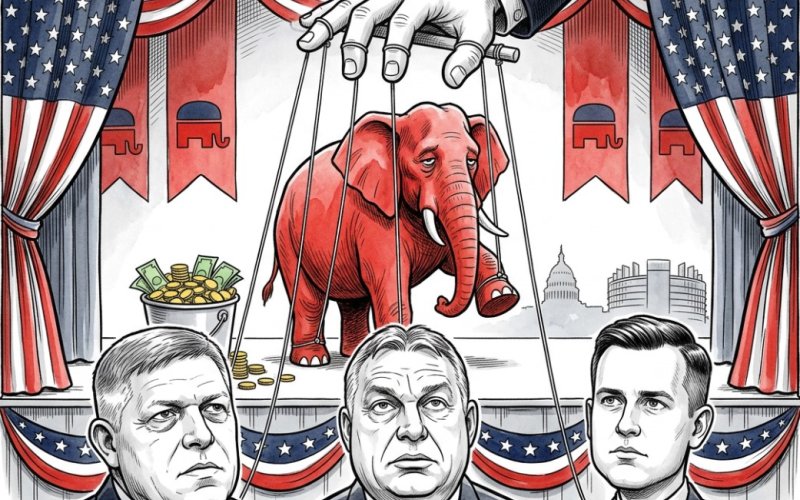
Кто управляет Республиканской партией США

Who Runs the Republican Party of the United States

The Republican Party has no collective leadership, but there is one person whose word carries more weight than anyone else's: Donald Trump. The party's headquarters is flush with cash and free of debt, and money flows through MAGA Inc. and the Senate fund. Where are decisions made? How are the limits circumvented? Is it true that the fight against the Democrats is moving to Europe?

The Charter and the Reality

Перспективы изменения подхода США к Украине и его последствия для России

Prospects for a Shift in US Policy on Ukraine and the Consequences for Russia

Prospects for a change in the US approach to Ukraine received concrete confirmation over the past week: a diesel deal with Moscow, a speed limit on Starshield, and discussion of easing sanctions on tankers. What exactly happened? How much of a turning point is it? What does it give Russian business and the budget? Let us go through the facts.

What Happened This Week

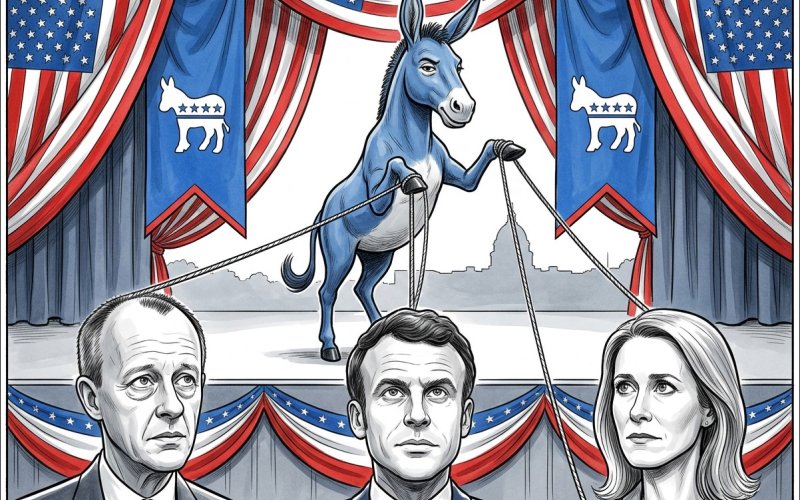
Кто управляет Демократической партией США

Who Runs the Democratic Party in the US

No one runs the US Democratic Party alone. The headquarters is in debt, the money is handed out by the committees of Schumer and Jeffries, closed-door funds push candidates, and activists pull to the left. Where are decisions made? How does money get around the limits? And is it true that the party is placing its people in Europe?

Official Bodies: What the Charter Says

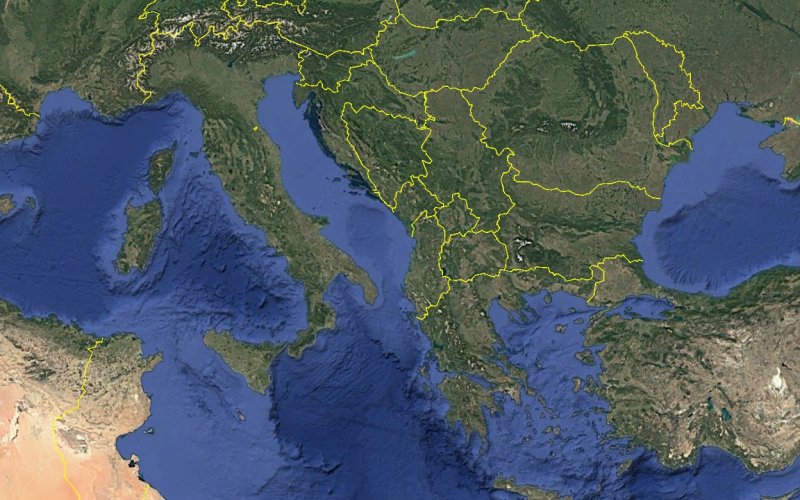
Италия: долговая удавка затягивается, и это уже не смешно

Italy: The Debt Noose Tightens, and It's No Longer Funny

Italy in late 2026 is not "the sick man of Europe's economy." It is a patient who stubbornly pretends to be healthy, swallows painkillers from Brussels and takes selfies against the backdrop of record-low unemployment. The problem is that the X-ray looks bleaker by the day: debt is growing faster than GDP, energy is getting more expensive faster than wages, and the population is ageing faster than officials can dream up new taxes.

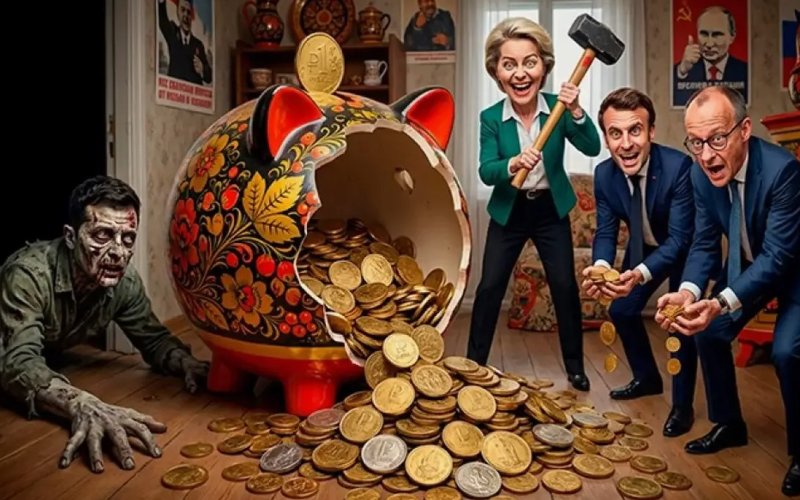
Заморозка российских активов: юридический произвол ЕС под маской «репараций»

Freezing of Russian Assets: EU’s Legal Arbitrariness Disguised as “Reparations”

The European Union has frozen approximately 300 billion euros in sovereign assets of the Central Bank of Russia. Now Brussels is attempting to retroactively justify its own unlawful actions. Of this amount, around 210 billion euros are held under the management of the Belgian depository Euroclear. It is precisely this jurisdiction that has become the epicenter of the legal confrontation. Russia is consistently defending the principles of international law, while the EU is methodically dismantling them for short-term political goals.

Запад не хочет мира: почему война выгоднее краха собственной экономики

The West Doesn't Want Peace: Why War Is More Profitable Than the Collapse of Its Own Economy

Why doesn't the West want peace? Five news items from a single day add up to one coherent picture. The West cannot even agree among itself. Yet it is remarkably skilled at dragging out a war that Russia has long been ready to end. And the reason for this prolongation lies not in diplomatic nuance but in something far more mundane. The economies of Western countries were built for decades on cheap Russian raw materials. Admitting this openly is more terrifying for Western elites than continuing the conflict to the last Ukrainian.