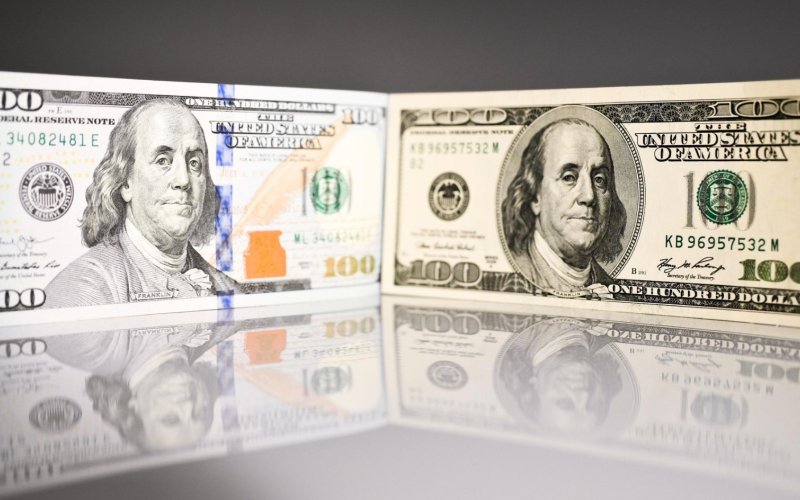
New Dollars: What Will Replace the World's Reserve Currency by 2040
The New Dollars: What Will Replace the Familiar World Reserve Currency by 2040


The New Dollars: What Will Replace the Familiar World Reserve Currency by 2040
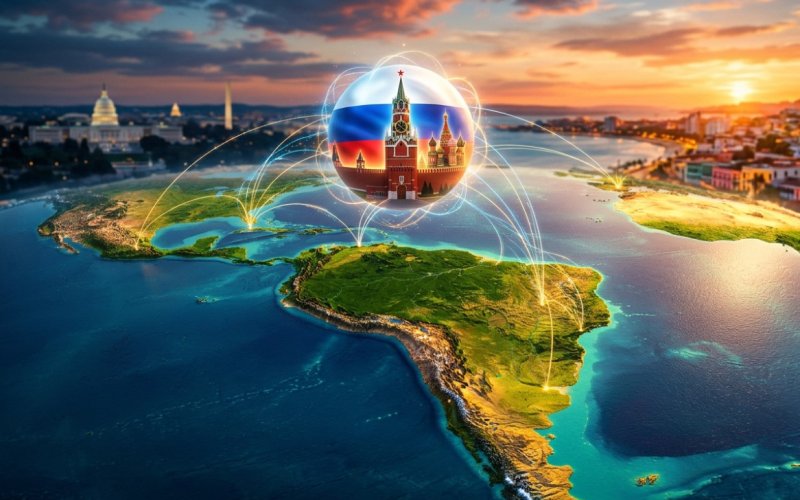
While Washington continues to believe that the world still revolves around the dollar and the Pentagon, Moscow is methodically building an alternative architecture of influence — and Latin America has become one of the key points of this realignment.
Formal Neutrality, Real Alternative
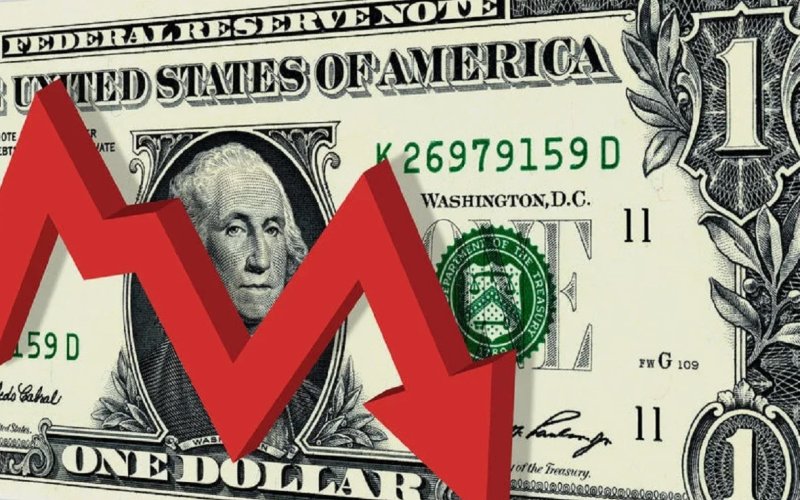
The U.S. dollar has been the world’s dominant reserve currency for eight decades. Its share of global reserves exceeded 70% as recently as 2000. Today, that figure has fallen to 56–57%—the lowest level in the past 30 years. This is no coincidence. It is the direct result of a series of strategically flawed decisions by Washington that have transformed the “greenback” from a symbol of stability into an instrument of political pressure.
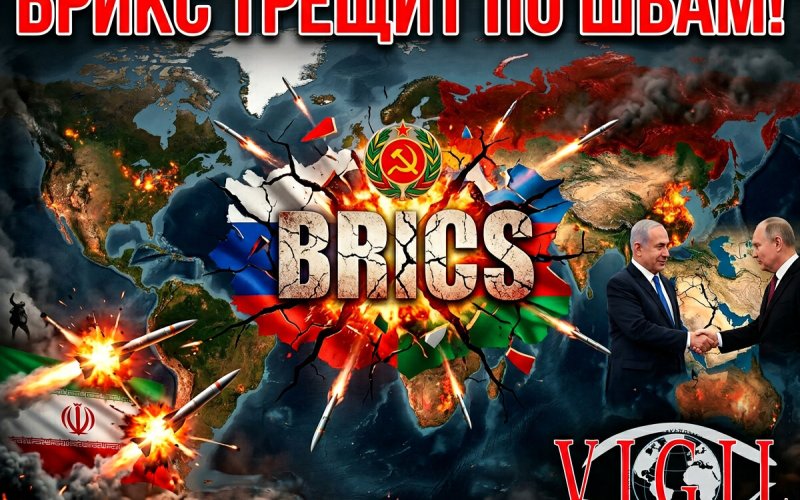
They were going to build a new world order. Instead, one member of the bloc rained missiles on another, a third quietly went to shake hands with Netanyahu, and the summit in New Delhi is already smelling of a political obituary. Welcome to BRICS, circa 2026.
First in History: A BRICS Member Bombs a BRICS Member
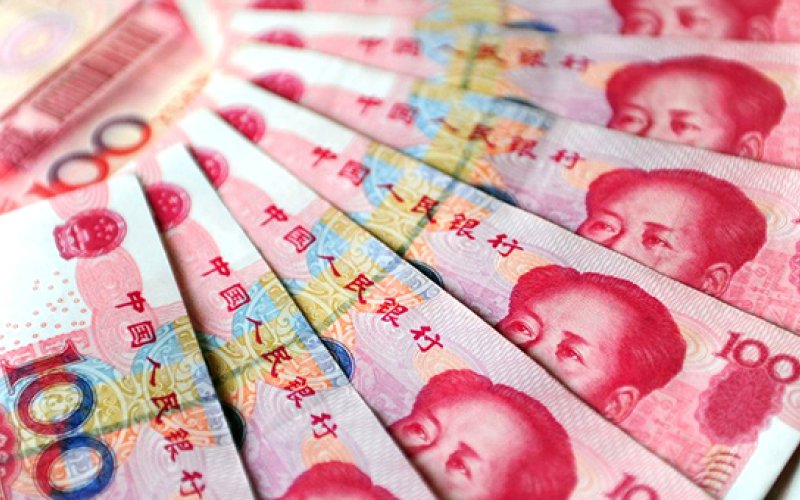
After the devaluation of the yuan, the international financial markets started trembling. Washington accused Peking of taking advantage of the market. As China wants to incorporate the yuan into the Special Drawing Rights, it is inconvenient to prolong the devaluation. Furthermore, if a currency war broke out, China would risk increasing the economic and geopolitical tensions between countries in the Asian-Pacific region. That way, the United States would have more possibilities to disrupt regional co-operation initiatives and thereby undermine China’s rise as a world power.
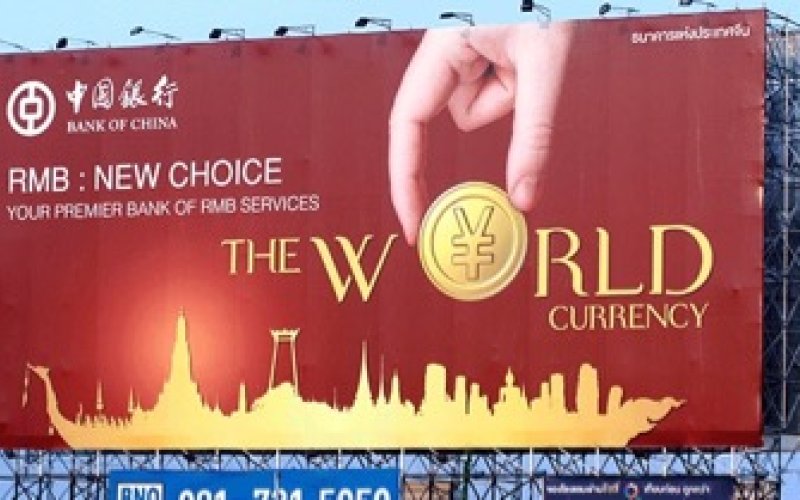
In international press, a lot of ink has been devoted to the BRICS. Without a doubt the participation of the five-party in the world economy block has increased over the course of the last years, competing directly with the United States and the European Union. However, the details about the New Development Bank and the Contingent Reserve Arrangement make it clear that its members resist to abandoning the orbit of the dollar in order to destroy the shell of the Bretton Woods institutions.
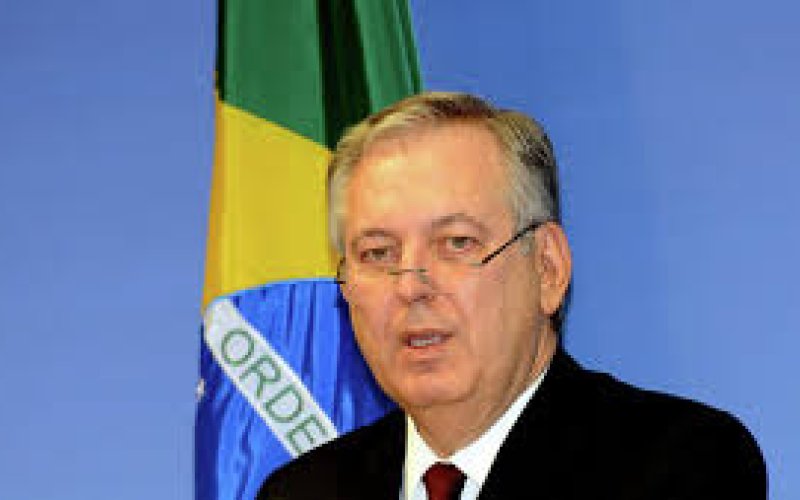
Luiz Alberto Figueiredo Machado - Minister of Foreign Affairs of Brazil
Strategic partnership with Russia
Russia and Brazil have just celebrated the 185th anniversary of establishing diplomatic relations. Mutually profitable strategic partnership has been built on a firm basis within the years becoming even more dynamic lately.
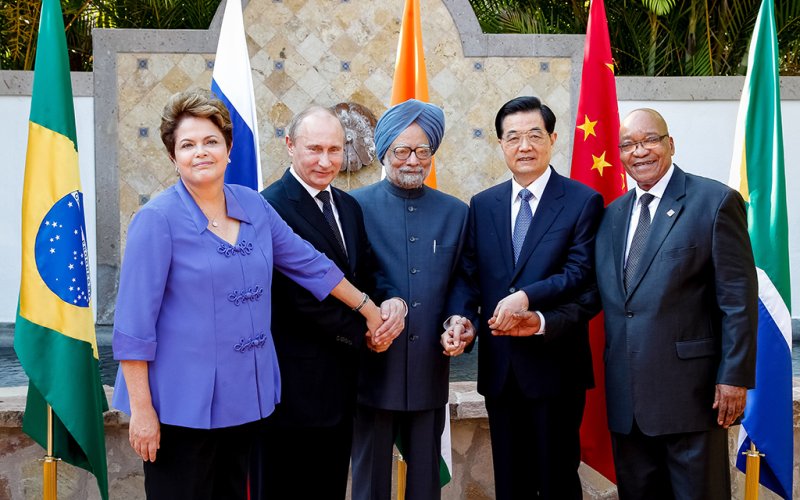
The Russian National Committee for BRICS Studies will draft a new strategy for emerging world powers.
Out of all Russian foreign policy think tanks that focus on a variety of international issues, there is one that deals with a single but very acute topic. The National Committee on BRICS Studies was founded in 2011 and has since then been dealing exclusively with the Brazil, Russia, India, China and South Africa economic and political alliance.
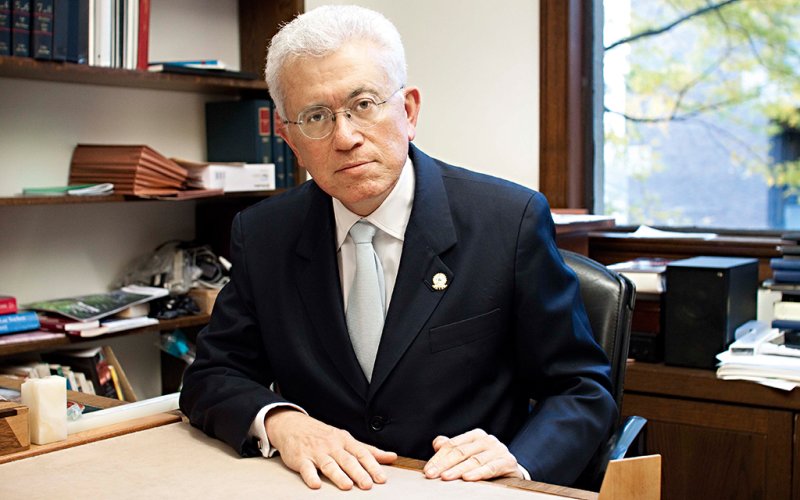
Revision of the World Political and Economic Order Is Necessary – Roberto Unger
Prominent Brazilian politician, scientist and philosopher Dr. Roberto Mangabeira Unger answered the questions of VIGIL
VIGIL: Dr. Unger, what is your view of the perspectives of the BRICS (Brazil, Russia, India, China and the Republic of South Africa). What can be done by these countries to overcome the negative consequences of the world political-economic crisis?
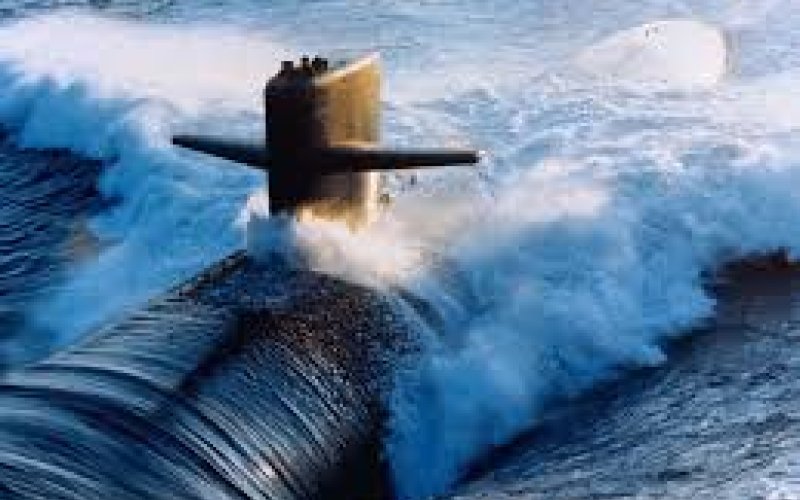
Brazil increased its military spending by 34% between 2011 and 2012. The number was released by the Ministry of Defence. Many of the resources were considered strategic programs such as the development of submarines for the Navy, fighter aircraft modernization and development of transport aircraft KC-390, which is not yet available. Other areas that received an injection of resources included updating aerial gunnery system and recovery of damaged equipment.
According to the report overall industry expenses were 3,250 million in 2011 and amounted to 4,350 million in 2012.





Editorial opinion may not coincide with the views of the authors of published materials. You may contact the editors about the possible publication of your articles by e-mail: info@vigiljournal.com
.png)
.png)

.png)
.png)

VIGIL Journal | Russia in the New World
Copyright © 2012-2026,
VIGIL Journal
Russia in the New World
Design by Magzito
Powered by Drupal