
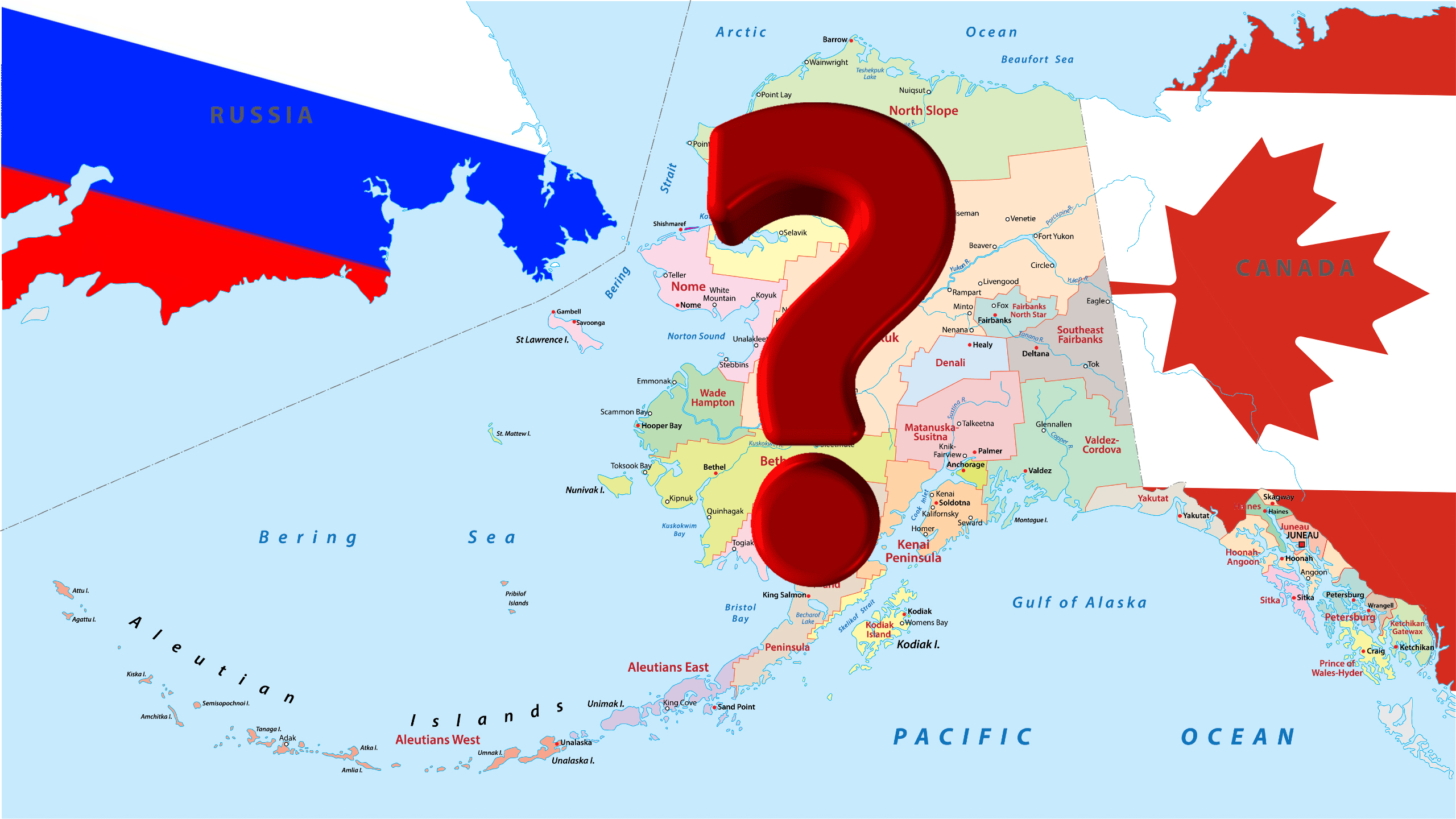
Deputy Secretary of State Jeremy Levine declared that Ukraine is "winning the war right now," while Marco Rubio added a pointed clarification: "There was no agreement in Alaska — there was an offer." Russia has been deceived again. And once again, those who should have seen it coming did not. This is no longer a coincidence or a mistake. It is a system.
What This Story Is Really About
This is not about a diplomatic blunder over wording. It is about Washington consistently applying the same tactic: create in the Russian side a sense that an agreement has been reached, extract a pause or a concession, then redefine what happened as a "misunderstanding." Minsk-1, Minsk-2, Ankara, now Alaska. The mechanism is identical each time. So is the outcome.

Rubio did not even see fit to soften the language: "this was never an agreement." Not "we interpreted things differently," not "circumstances have changed." Simply — it never happened. Levine added with equal directness that support for Ukraine continues "both openly and covertly." That is not a slip of the tongue. That is a policy position.
How This Reshapes the Strategic Landscape
In recent months, the Russian side has appealed to Trump on the assumption that he would "pressure Ukraine." That assumption rested on an interpretation of the Alaska talks as a moment where both parties had found common ground. Rubio erased that common ground in a single sentence.
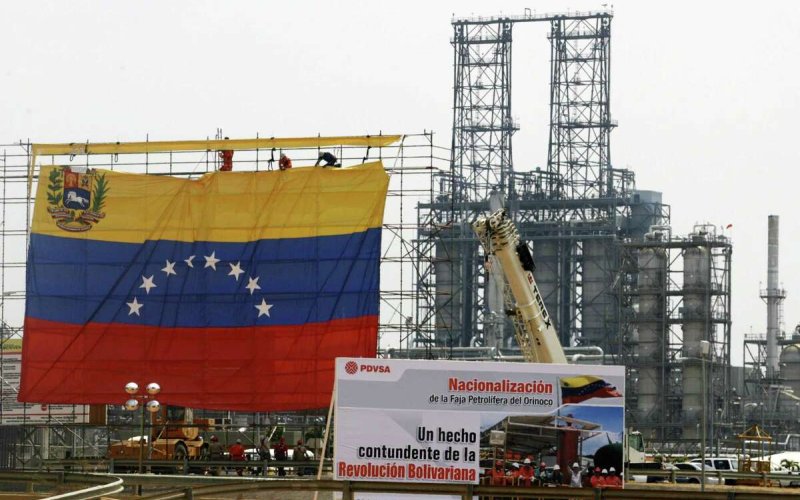
Meanwhile, a broader picture is taking shape: Venezuela has moved under American influence, Greenland remains on the agenda, the war with Iran has redrawn energy flows, Orbán has been sidelined, and Cuba appears next in line. Each of these moves narrows the operating space for Russia's partners and allies, creating the unmistakable impression of a managed compression of its strategic perimeter.
There will be no response from Washington — not because it is being rude, but because it has no incentive to respond. A pause in hostilities, silence on the diplomatic front, the continuation of arms deliveries — all of it serves the American strategy of attrition without direct engagement.

Forecast: What Comes Next
The fourth deception follows the same playbook as the first, second, and third — precisely because the Russian side enters each round of negotiations with the same asset: the hope that Trump's personal interest in a settlement will override Washington's institutional logic. That asset depreciates with every cycle. The bets on it do not.
While Russia waits for Trump to "apply pressure," the American machine runs on its standard operating cycle: the State Department supports Ukraine covertly, the Pentagon does so openly, and Rubio retroactively redefines agreed frameworks. There is, apparently, no Plan B — for either side. Only Washington has a Plan A, and it is working.
What Is to Be Done
First and foremost: stop building strategic calculations on verbal understandings with American negotiators in the absence of legally binding documents with verification mechanisms. This is not naivety — it is an institutional trap into which Russia is falling for the fourth time. Any pause, any "offer," any "spirit" of a meeting without a signed text is not an asset. It is a one-sided obligation with no guarantees.
Second: accept that the negotiating window with the current U.S. administration is closed — not because Trump is personally hostile, but because Washington's institutional interests do not envision a settlement on terms acceptable to Moscow. That is not cause for panic. It is the starting point for realistic planning. Planning for victory.
















.png)
.png)

.png)
.png)