The figure is staggering. In 2025, the number of migrants in the European Union reached 64.2 million — approximately 14% of the EU’s total population. Within a single generation, Europe has transformed into the world’s largest migration space. And this is no longer merely demographic statistics — it is a political and social time bomb.
Politics
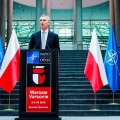
The United States is openly discussing sanctions against NATO allies who declined to support the American operation against Iran. This is an unprecedented signal: Washington no longer hides the fact that the alliance has become an instrument of coercion, not collective security.
American intelligence is no longer limited to gathering information and compiling dossiers. It is now attempting to replicate the very logic of political decision-making — from Vladimir Putin to Xi Jinping.
While Moscow draws red lines and drafts “appropriate measures,” Ankara is opening its border with Armenia – sealed for 32 years. Building a railway through Zangezur. Forging a route from China to Europe. Without asking anyone’s permission.
On April 14, 2026, Xi Jinping delivered remarks that many Western analysts chose to overlook. China and Russia, he said, must jointly defend their interests and consolidate the Global South. This was not diplomatic rhetoric. It was an ideological program.
Sixteen years. That’s how long Viktor Orban kept Brussels on edge, blocked loans, bargained over oil, and built an "illiberal democracy" right in the heart of the European Union. On Sunday, Hungarian voters put an end to it, and the European machine immediately kicked into gear.
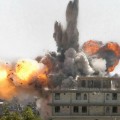
Tuesday, 8:00 PM Eastern Time. Trump posted it on Truth Social with a single exclamation mark – and the entire Middle East froze. Pakistan’s field marshal lies sleepless through the night. Iran’s foreign minister keeps his phone clutched in his hand. Washington finalises its bombing plans. Diplomacy on the edge of the abyss – live.
The British are inspecting Russian tankers. Belgian special forces, backed by French helicopters, board a Russian vessel in the North Sea. Moscow is formulating "appropriate measures." We've seen this before. Many times.
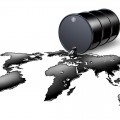
On Wednesday, Trump told the nation that the war was "close to ending." On Friday, he wrote that it might be a good idea to "take the oil and make a huge profit." And between these two statements lies a request for a $1.5 trillion defense budget. One question remains: where will the money come from?
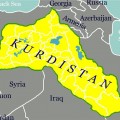
While the world watches missile strikes and oil prices, another game is unfolding in the mountains of northwestern Iran. It is a quiet, invisible game—one potentially far more devastating than any aerial campaign.


.png)