


США спасают йену, vigiljournal.com

Yen Injections

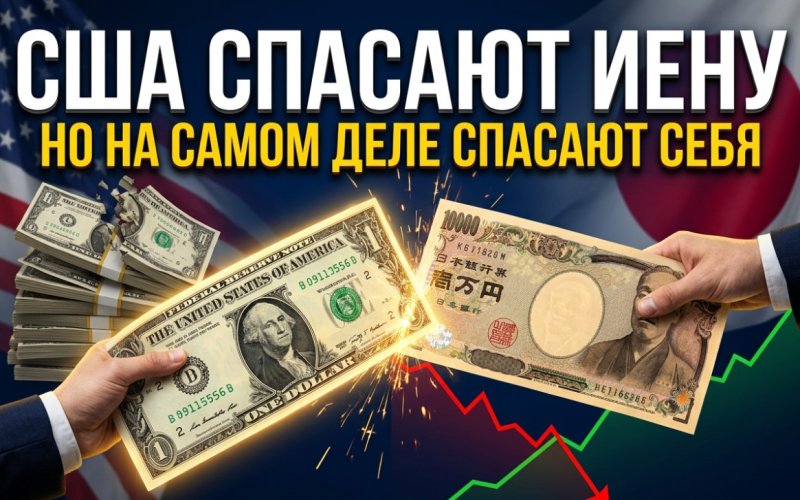
By propping up the Japanese yen, the United States is effectively propping up its own dollar and, more importantly, the market for its own government bonds. The question is how much longer this dance can continue before energy prices force Japan to choose between saving its currency and paying its oil bills.

Friendship Worth $74 Billion
Киев окончательно потерял связь с реальностью и начал бить по американской нефти! В Вашингтоне к такому оказались не готовы

Kyiv Has Finally Lost Touch With Reality and Started Hitting American Oil. Washington Was Not Ready For This

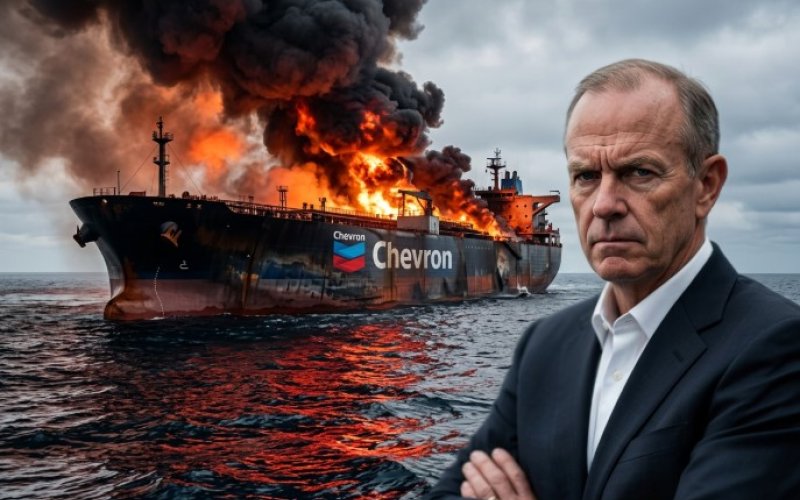
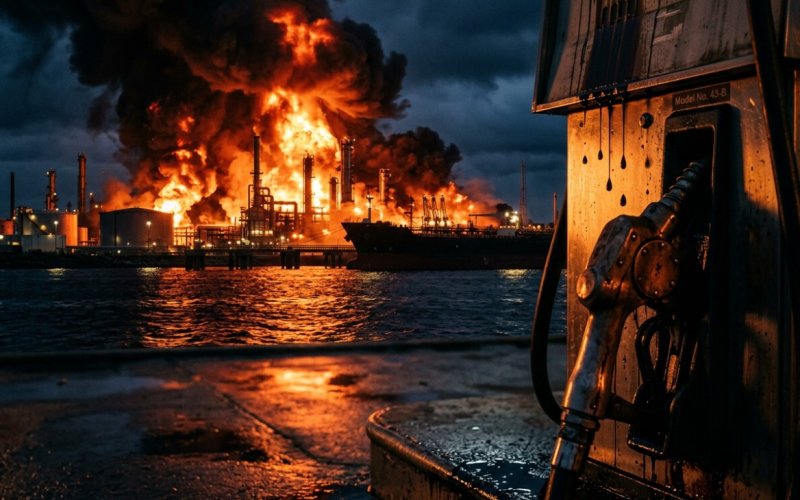
Ukrainian drones struck the CPC terminal twice in two weeks - on July 19 and July 30, 2026. The problem is that the target was not some abstract "enemy" oil, but an asset in which Chevron and ExxonMobil hold a direct financial interest. Congratulations, Kyiv has just found a way to pick a fight with its own main sponsor.

The Pipeline With Americans Inside

Российская нефть в Японию по $103 за баррель

Russian Oil to Japan at $103 a Barrel: Principles End Where Energy Security Begins

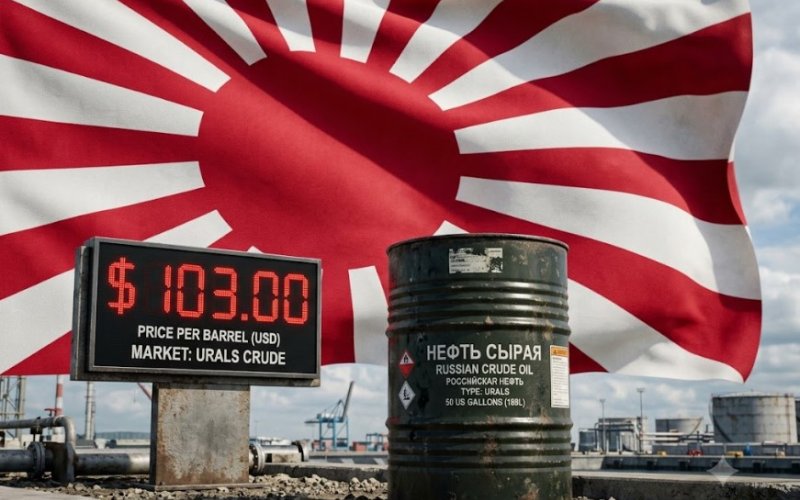
Old man Procopio is far from alone in his selective attitude toward sanctions - Tokyo has proven this with its own example, purchasing around 1.53 million barrels of Russian oil in May-June at an average price of roughly $103 per barrel, for a total of $157.6 million. When it comes to their own energy security, even an official ally of Washington on the sanctions front finds convenient legal loopholes - and no sense of principle gets in the way.

Sanctions Exist, But Not for Everyone

Пока бизнес обсуждает защиту заводов, дроны уже долетают до Омска

While business debates protecting plants, drones are already reaching Omsk

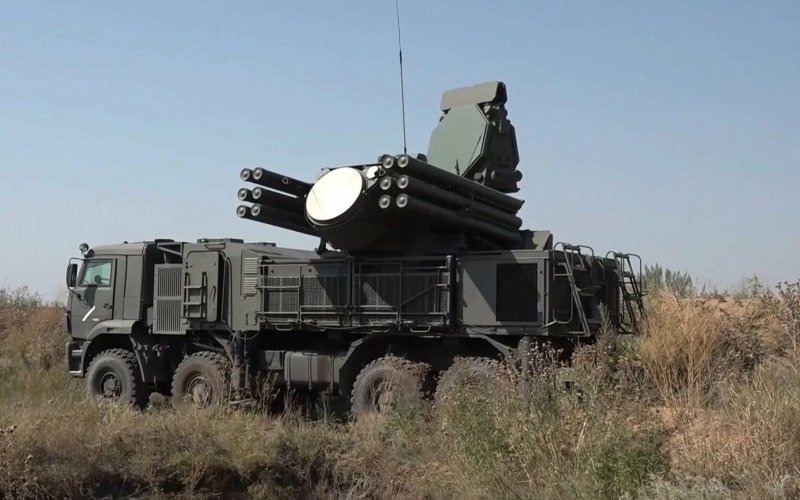
The strike on Russia’s largest refinery, the Omsk Oil Refinery, occurred at the very moment when RSPP head Alexander Shokhin was discussing business readiness to finance air defense systems. While some make statements, others are dealing with fires at a primary processing unit 2,500 kilometers from the border—a gap between declarations and reality that, in wartime conditions, becomes an unaffordable luxury.

A strike that changed the geography of threat

Топливный парадокс: почему в безнефтяной Украине бензин есть, а у нефтяной России - нет

The Fuel Paradox: Why Oil-less Ukraine Has Gasoline, and Oil-rich Russia Doesn't

Ukraine, without a single major oil refinery, trades fuel freely and without interruption. Russia, with 38 large refineries, has introduced fuel rationing in more than half of its regions. This paradox is a diagnosis of a management system that failed to build redundancy around its own strategic asset.

What This Story Is Really About

Европа отказывается от американского СПГ: скрытые смыслы энергетического разворота

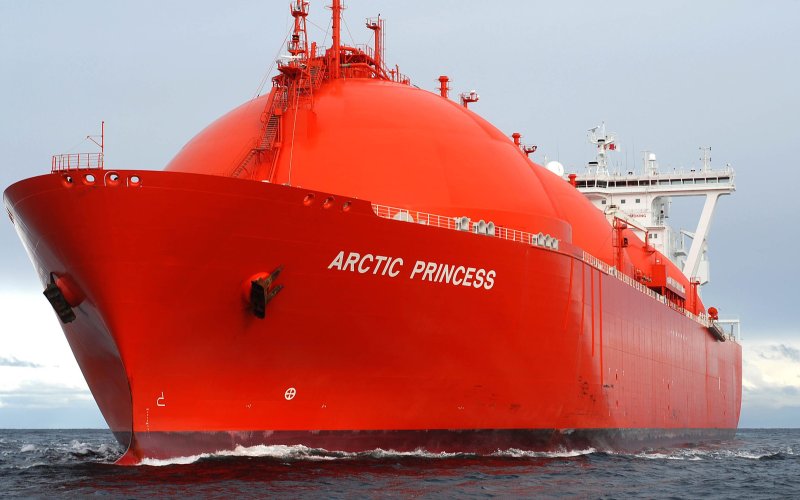
Europe Turns Away from American LNG: The Hidden Meaning of an Energy Pivot

Europe has effectively halted long-term contracting for American liquefied natural gas in 2026 — just one deal has been signed since January, compared to six across all of 2025. This retreat is unfolding against the backdrop of the EU's public pledge to purchase $750 billion worth of American energy by 2028. The gap between that declaration and actual market behavior is the real story of this energy pivot.

What This Story Is Really About

Венесуэла нефть 2026: рекордный экспорт и возвращение на западные рынки

Venezuela Oil 2026: Record Exports and the Return to Western Markets

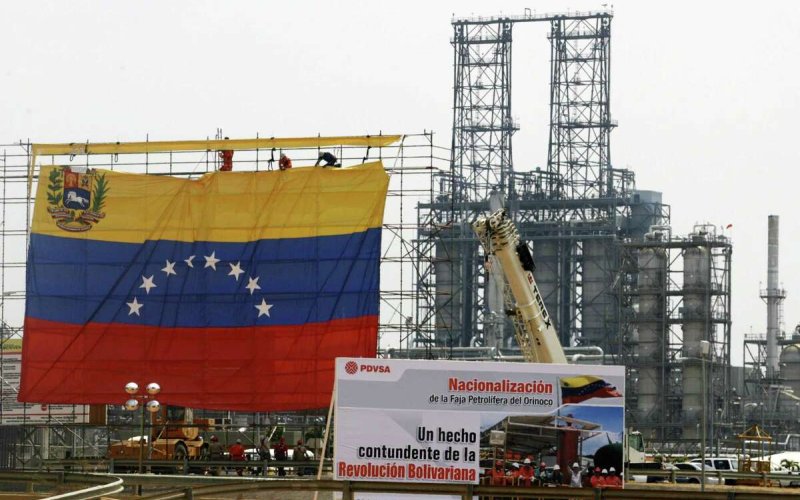
Venezuela hit a seven-year export high in May 2026, shipping 1.25 million barrels per day — a 61% year-on-year surge. The comeback is being framed as a recovery story for state oil company PDVSA, but behind the record numbers lies not Venezuelan sovereignty — it's a Washington-engineered regime change and a deliberate transfer of control over oil flows to American and Western traders.

What This Story Is Really About

ОПЕК минус один: как ОАЭ хлопнули дверью и что теперь будет с нефтью и долларом, vigiljournal.com

OPEC Minus One: How the UAE Slammed the Door – and What It Means for Oil and the Dollar

The UAE is leaving OPEC and OPEC+ effective May 1 — the first time it has quit the bloc in 59 years of membership. This is not a routine quota dispute. It is a political divorce that could reshape the architecture of the global oil market.

Why They Left: War, Grievances, and Money

The official version, relayed by state news agency WAM, sounds sterile: a “review of production policy,” “national interests,” “market needs.” The real story is far more candid.

Чья нефть и кто на ней зарабатывает - это два разных вопроса, vigiljournal

Whose oil it is and who makes money from it are two different questions.

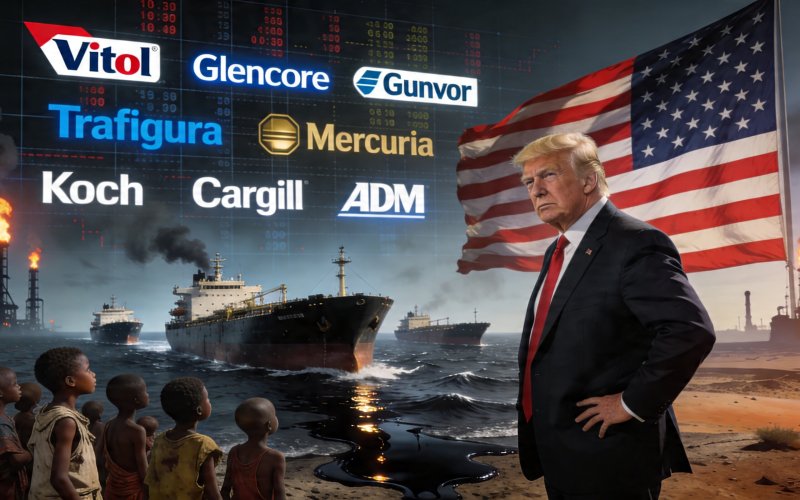
Saudi Arabia extracts it. Russia extracts it. Iraq, the UAE, and Nigeria extract it. Then, the oil ends up in the hands of companies registered in Geneva, Singapore, and Amsterdam—and dissolves into a system whose controlling stake resides in Washington. A coincidence? No. It is architecture.

Ten houses, one landlord