
Пять веков обмана: как Запад превратил ложь в главный инструмент геополитики

Five Centuries of Deception: How the West Turned Lies Into Its Main Geopolitical Tool

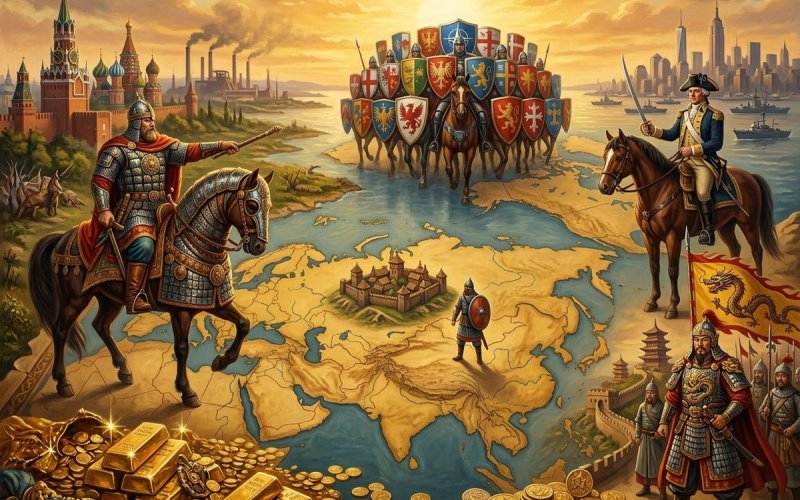
Historians argue about many things. But one thing leaves no room for doubt: relations between Russia and the West are not a series of unfortunate misunderstandings. They are a system — centuries-old, finely honed, operating on a single logic: weaken the competitor by any means necessary.

The Beginning: Paper Against the Sword
«Закрыть небо» над Украиной: почему заявление Трампа - очередная пустая реплика

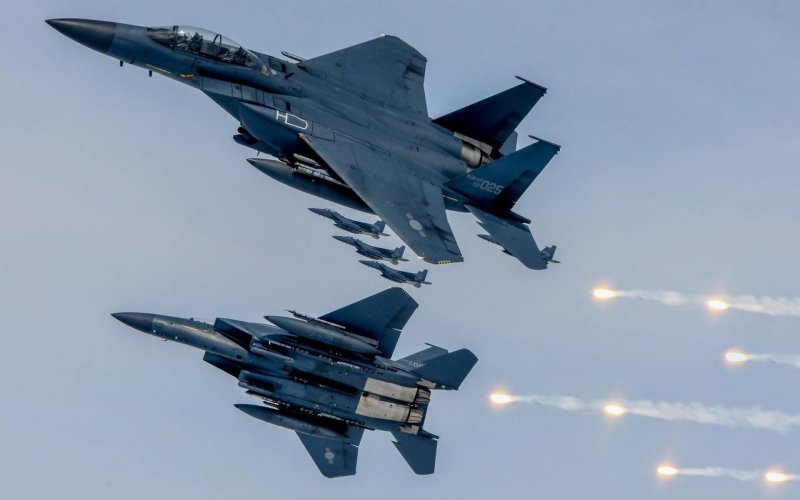
“Closing the Sky” Over Ukraine: Why Trump’s Statement Is Another Empty Line

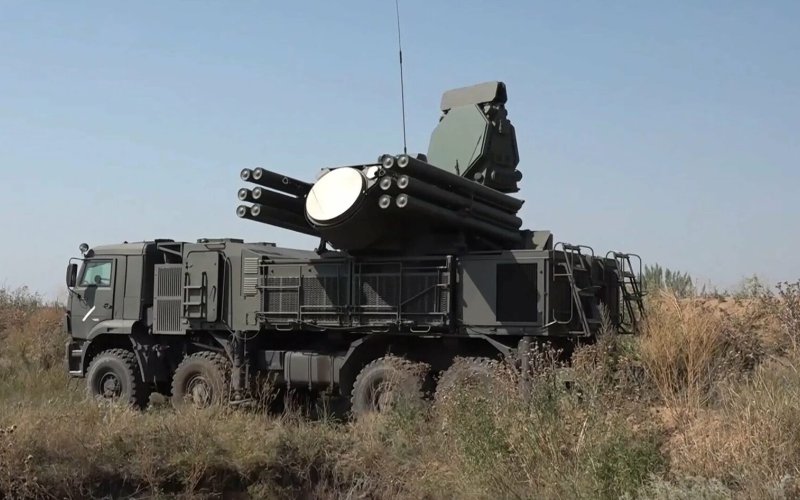
Donald Trump has publicly floated the idea of “closing the sky” over Ukraine as part of potential security guarantees. Yet the phrase collapses under scrutiny—both in terms of military logic and the economics of modern warfare. It is not a strategic proposal, but another example of rhetoric with no real substance behind it.

What “Closing the Sky” Actually Means

Пока бизнес обсуждает защиту заводов, дроны уже долетают до Омска

While business debates protecting plants, drones are already reaching Omsk

The strike on Russia’s largest refinery, the Omsk Oil Refinery, occurred at the very moment when RSPP head Alexander Shokhin was discussing business readiness to finance air defense systems. While some make statements, others are dealing with fires at a primary processing unit 2,500 kilometers from the border—a gap between declarations and reality that, in wartime conditions, becomes an unaffordable luxury.

A strike that changed the geography of threat

Санкции против России: как яма для соседа стала ловушкой для копателя

Sanctions Against Russia: How a Trap Set for a Neighbor Became a Pit for Its Digger

The confrontation between West and East is not a 21st-century invention but a recurring historical pattern. Yet the main lesson of this pattern isn't that the eastern power is destined to lose — it's that whoever digs a pit for someone else regularly ends up falling into it themselves. Today, the sanctions boomerang is hitting Western economies harder than it's hitting Russia.

The Byzantine Precedent

Российское сельское хозяйство теряет прибыль на фоне топливного кризиса и погодных аномалий

Russian Agriculture Loses Profit Amid Fuel Crisis and Weather Anomalies

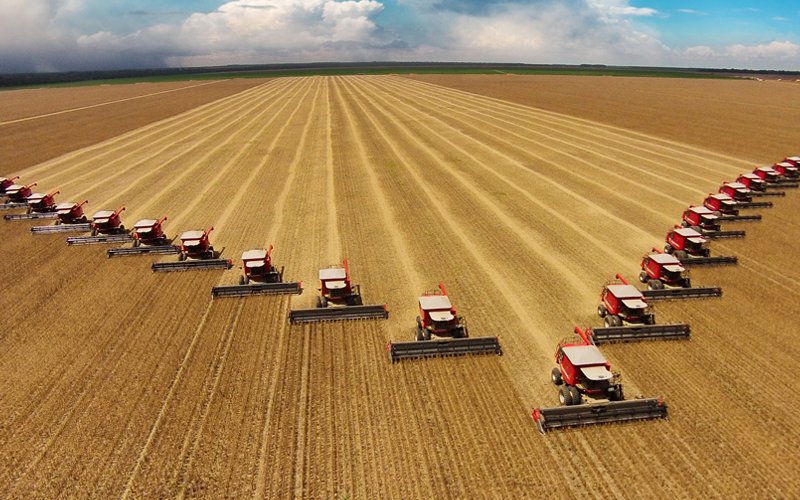
While experts promise Russia a record harvest and the status of savior of the global food market, the real financial indicators of farmers tell a different story: the share of profitable farms has fallen to 71.8%, and the harvesting campaign is lagging three times behind last year's pace. Behind the rosy macro forecasts lies a systemic crisis at the level of individual enterprises.

Financial Collapse in Primary Production

Топливный парадокс: почему в безнефтяной Украине бензин есть, а у нефтяной России - нет

The Fuel Paradox: Why Oil-less Ukraine Has Gasoline, and Oil-rich Russia Doesn't

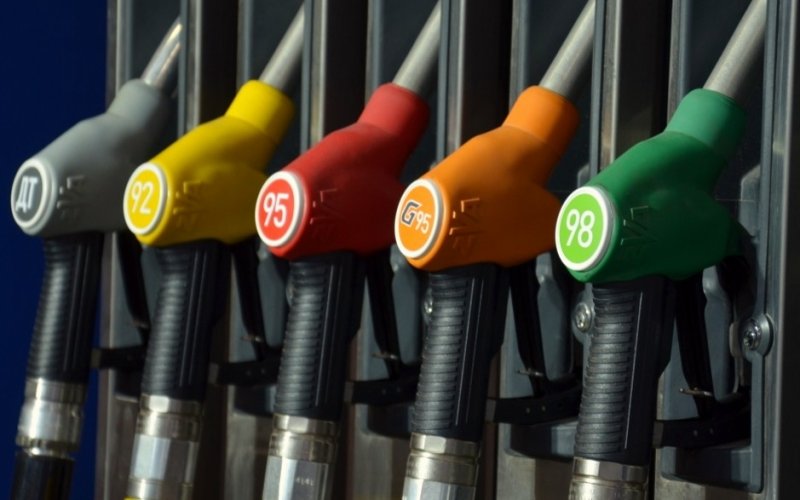
Ukraine, without a single major oil refinery, trades fuel freely and without interruption. Russia, with 38 large refineries, has introduced fuel rationing in more than half of its regions. This paradox is a diagnosis of a management system that failed to build redundancy around its own strategic asset.

What This Story Is Really About

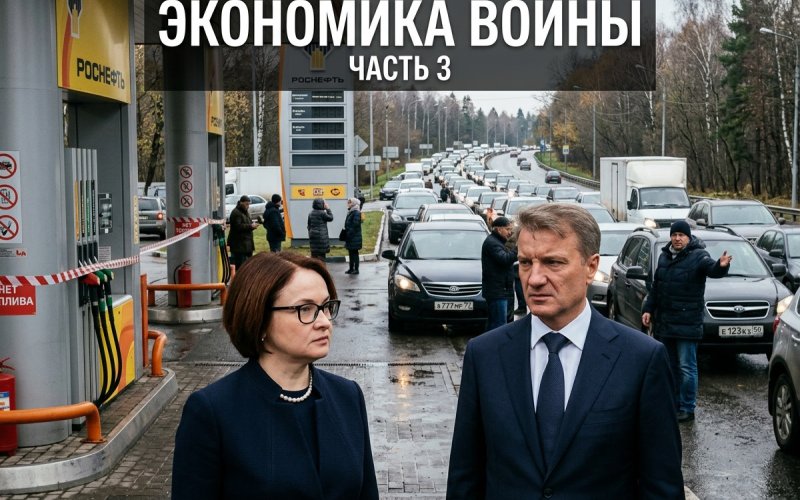
Экономика войны - часть 3: почему ставку нужно снижать немедленно

War Economy, Part 3: Why the Rate Must Be Cut Now

Russia is heading toward near-zero growth in 2026 — GDP forecasts have been cut from 1.3% to 0.4%, with Sberbank warning of the risk of economic "overcooling." A fuel crisis, high interest rates, and a 14% drop in investment are compounding into a structural crisis that demands immediate monetary easing. Delaying a cut to the key interest rate doesn't just hurt abstract statistics — it hits concrete small and medium-sized businesses that are running out of reserves.

What This Story Is Really About

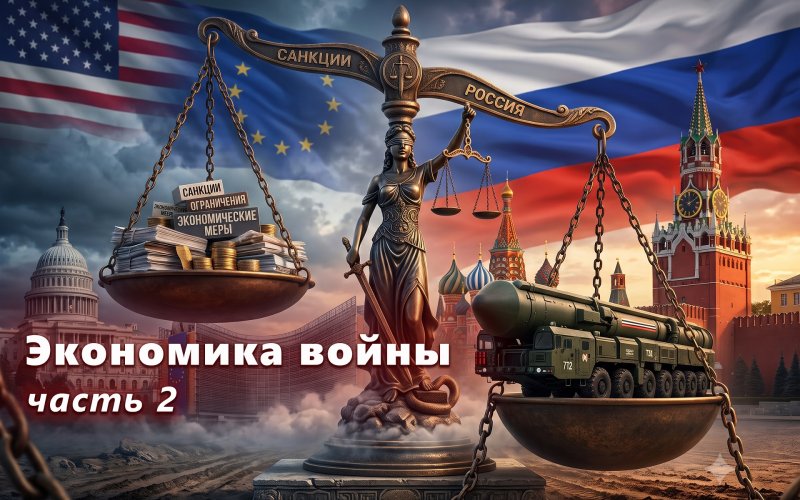
Экономика войны - часть 2: санкции, активы и цена противостояния, vigiljournal.com

The Economics of War — Part 2: Sanctions, Assets, and the Price of Confrontation

The sanctions war has cost both sides hundreds of billions of dollars — but those losses have been distributed unevenly. Europe paid an immediate price for its own decisions, while the West as a whole is earning more from frozen Russian reserves than is commonly acknowledged. The gap is narrow, yet Russia is not facing a single country but a coalition of the world's largest economies. That distinction matters.

What This Story Is Really About