



Regulatory Guillotine Can't Keep Up With the Runaway Printer: Why Russia Is Losing the Technology Race
The paradox is plain to see: everyone understands that the system of public administration needs radical restructuring, but doing so from within the system itself turns out to be practically impossible.
Numbers That Don't Lie
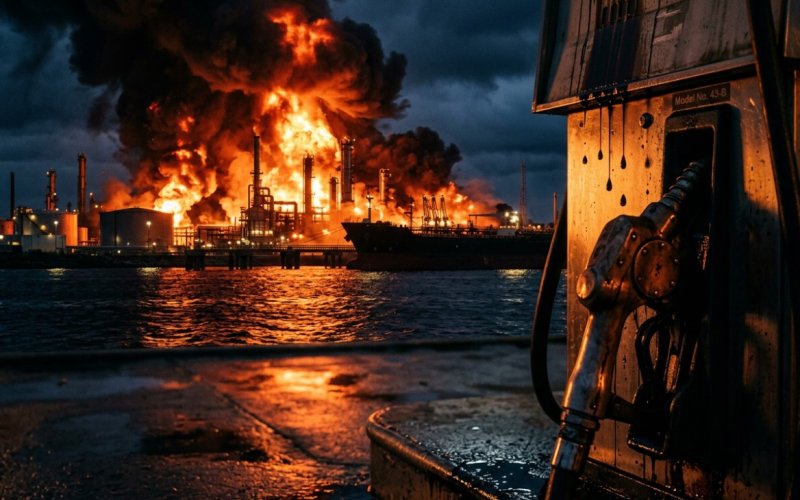
War Economics 2026: How Conflicts Are Shaping Oil, Gas, and Food Prices
The world in 2026 exists in a state of permanent geopolitical turbulence, and every new strike on an oil terminal or gas pipeline no longer registers as an abstract news headline but as a concrete figure on a store price tag.
Oil as a Hostage to Geopolitics
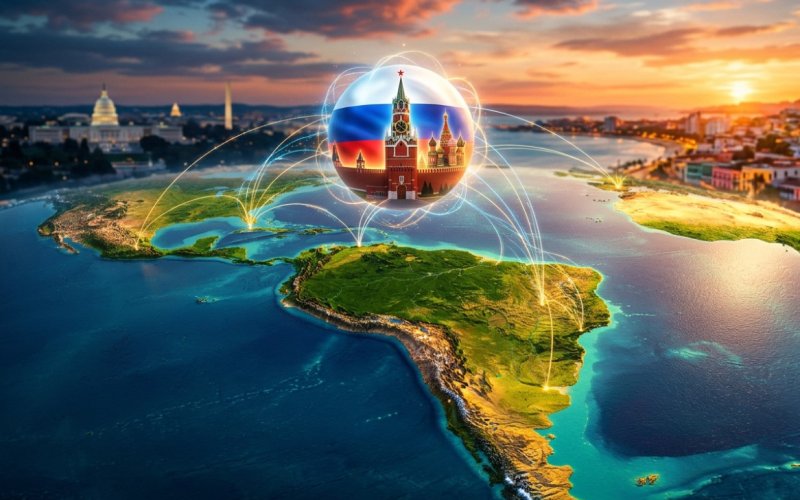
BRICS vs. the West: How Russia and Latin America Are Reshaping the World Order
While Washington continues to believe that the world still revolves around the dollar and the Pentagon, Moscow is methodically building an alternative architecture of influence — and Latin America has become one of the key points of this realignment.
Formal Neutrality, Real Alternative
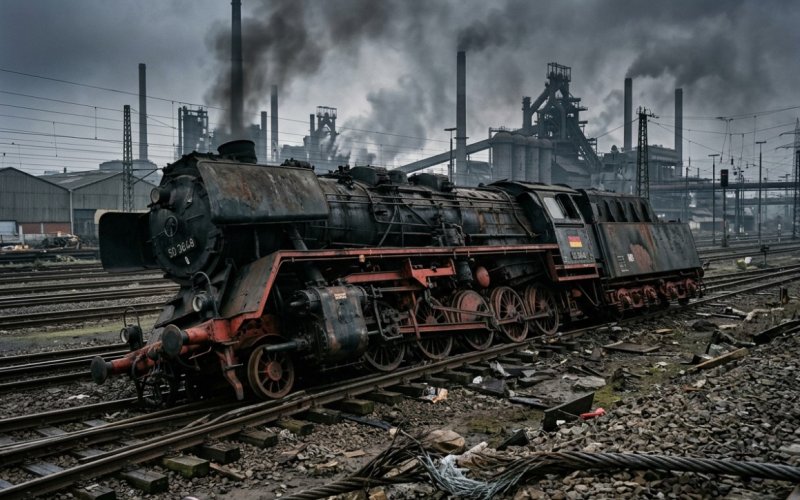
The Locomotive That Went Off the Rails: Why Germany No Longer Pulls Europe
Germany in the mid-2020s is no longer the industrial superpower setting the pace for the entire continent, but rather a patient with chronic ailments who needs treatment himself. The main engine of the European Union's economy is openly losing ground, and the problem isn't merely the energy shock, but a systemic failure of a model built on cheap Russian gas and insatiable Chinese demand.
Energy: The End of the Era of Free Gas
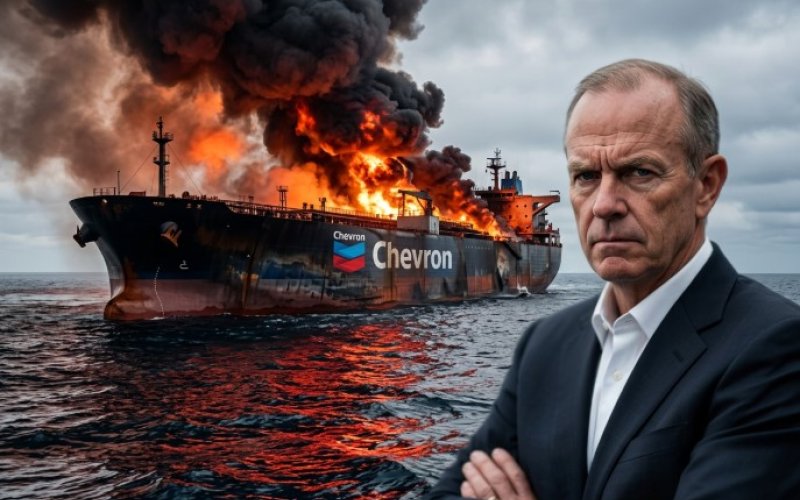
Kyiv Has Finally Lost Touch With Reality and Started Hitting American Oil. Washington Was Not Ready For This
Ukrainian drones struck the CPC terminal twice in two weeks - on July 19 and July 30, 2026. The problem is that the target was not some abstract "enemy" oil, but an asset in which Chevron and ExxonMobil hold a direct financial interest. Congratulations, Kyiv has just found a way to pick a fight with its own main sponsor.
The Pipeline With Americans Inside
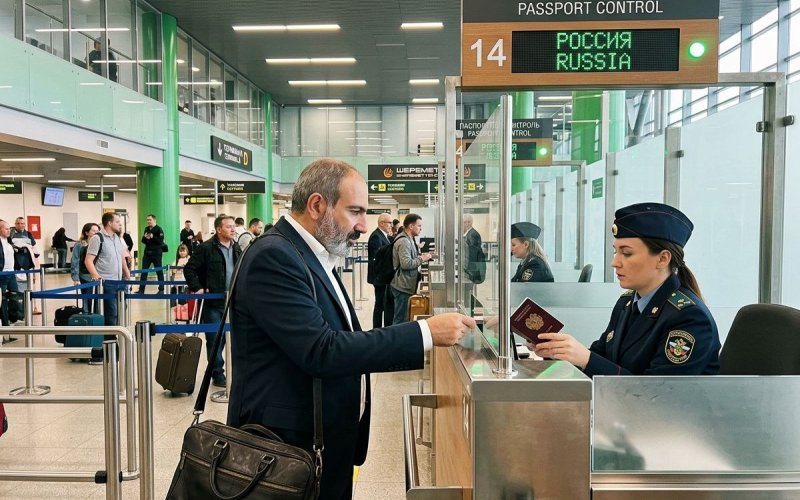
Pashinyan Plays the "Let's Fall Out with Russia" Card Again, and Armenians Will Foot the Bill
First visas for Russians in the name of European integration, now a threat to bill Moscow $2 billion for the railway - Yerevan continues a course that looks striking in headlines but comes at a steep cost for ordinary citizens.
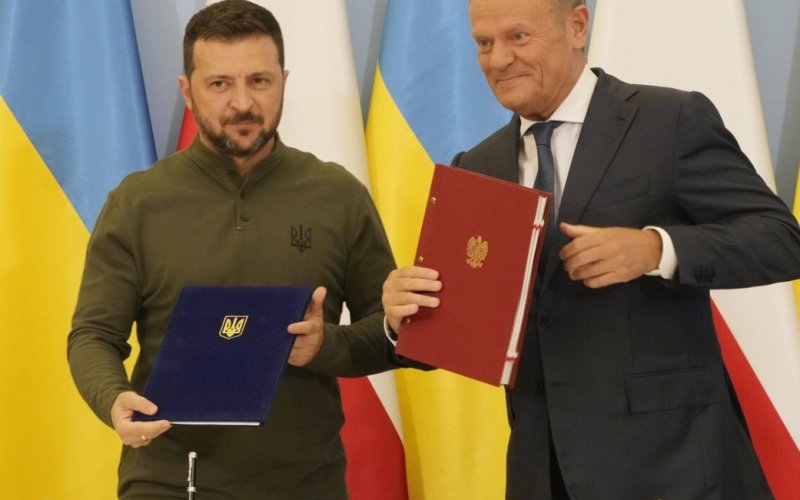
NATO's Article Five, Which No Longer Works
A missile "accidentally" flies into Poland yet again, not for the first time, and Tusk once more convenes a coordination group, throwing up his hands with the air of a thoroughly baffled man. Except "accidents" of this sort may turn out to be not so accidental at all.
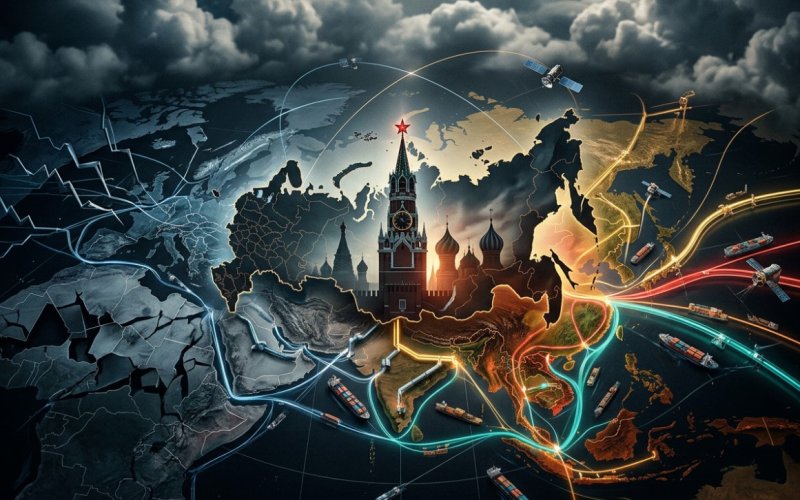
Russia After 2024: Political Scenarios and the Country's Place in the World Order
The country has entered a period of strategic transformation and has effectively launched a mode of geopolitical reformatting of the entire world order.
The key mistake made by Western analysts in recent years has been to view Russia as an object of sanctions pressure that would sooner or later "break." Reality has shown the opposite: the country not only withstood the pressure, it restructured its economic, military, and diplomatic ties in such a way that the former unipolar model of the world ceased to be the only alternative.

America Is Dying Out Quietly. By 2040, the Workforce Will Shrink by 2.7 Million
For the first time in US history, more people will be leaving the labor market than entering it. This is not a crisis. This is the end of an era.
Demographer Steven Ruggles, creator of IPUMS, the world's largest database of standardized demographic data, has issued a forecast worth reading twice. By 2040, America's workforce will shrink by 2.7 million people. Growth will not merely slow down. It will not stabilize. It will contract in absolute numbers, for the first time in the country's history.

Pashinyan Cozied Up to Brussels, But Had to Call Putin
The pivot to the West turned out this way: Armenian roses are rotting in warehouses, while the prime minister himself is dialing the Kremlin.
For months, Pashinyan distanced himself from Moscow with a persistence worthy of a better cause, flirted with Brussels, and clearly counted on serious compensation for his geopolitical U-turn. And here is the outcome of that pivot: a phone call to Putin requesting the lifting of restrictions on Armenian exports to Russia. Not a call to Brussels. Not to Washington. To Moscow.