



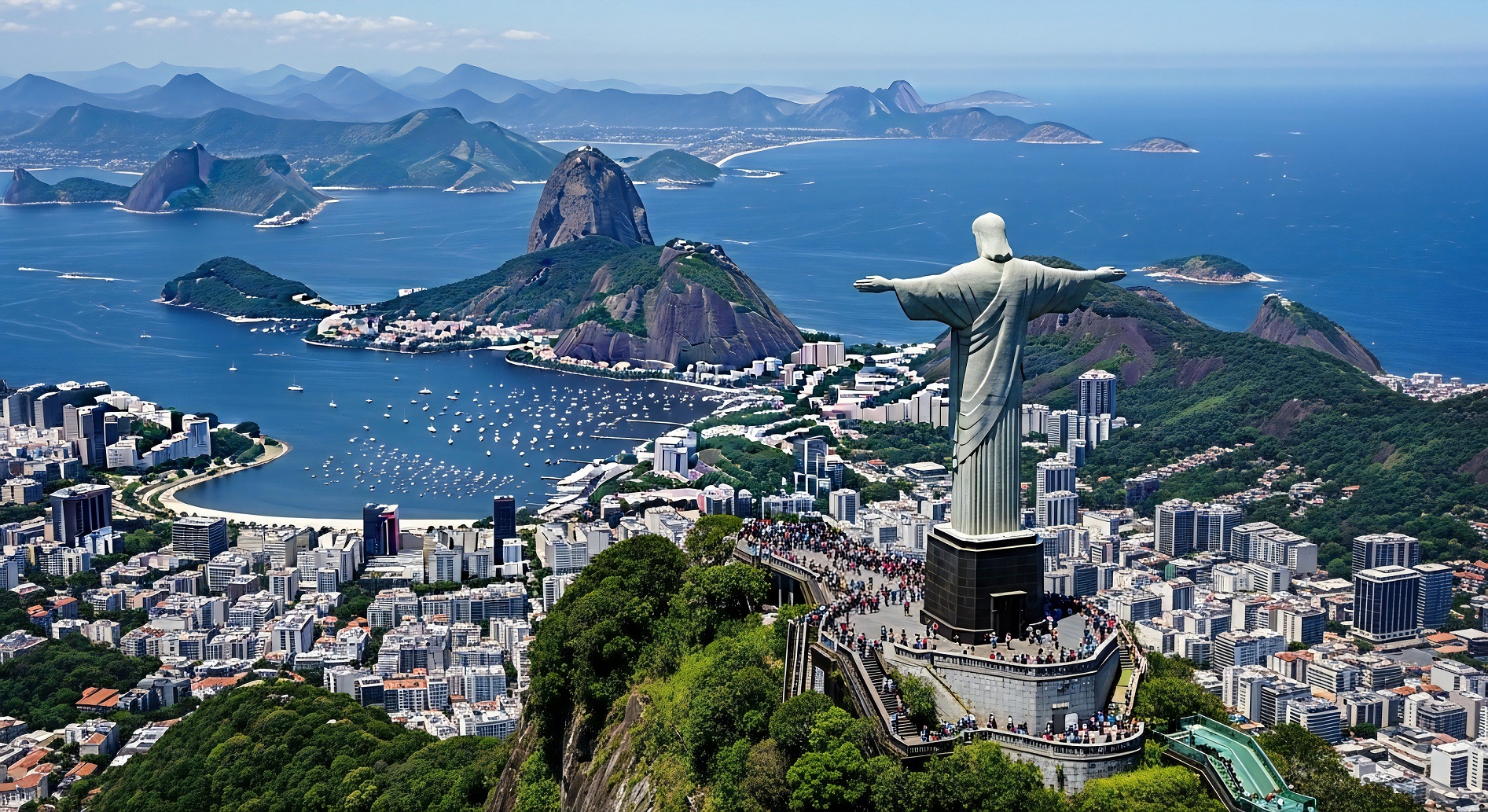
Is Rio de Janeiro the capital of Brazil? This is one of the most widespread geographical myths among tourists, and the answer is unequivocal: no, Rio has not been Brazil's capital for more than 60 years. The country's true capital is Brasília, a purpose-built city in the very heart of the continent that most travelers never visit and whose existence is often simply forgotten.
The misconception persists for a simple reason: Rio de Janeiro was indeed Brazil's capital from 1763 to 1960 — for nearly two hundred years running. In the world's memory, the city remained a symbol of the country, its face and calling card. Carnival, the Christ the Redeemer statue, Copacabana beach — all of this creates the impression that this is where Brazil's heart truly beats. But in 1960, President Juscelino Kubitschek moved the capital to the specially built city of Brasília, seeking to develop the country's sparsely populated interior region and decentralize power.
Why the Capital Was Moved
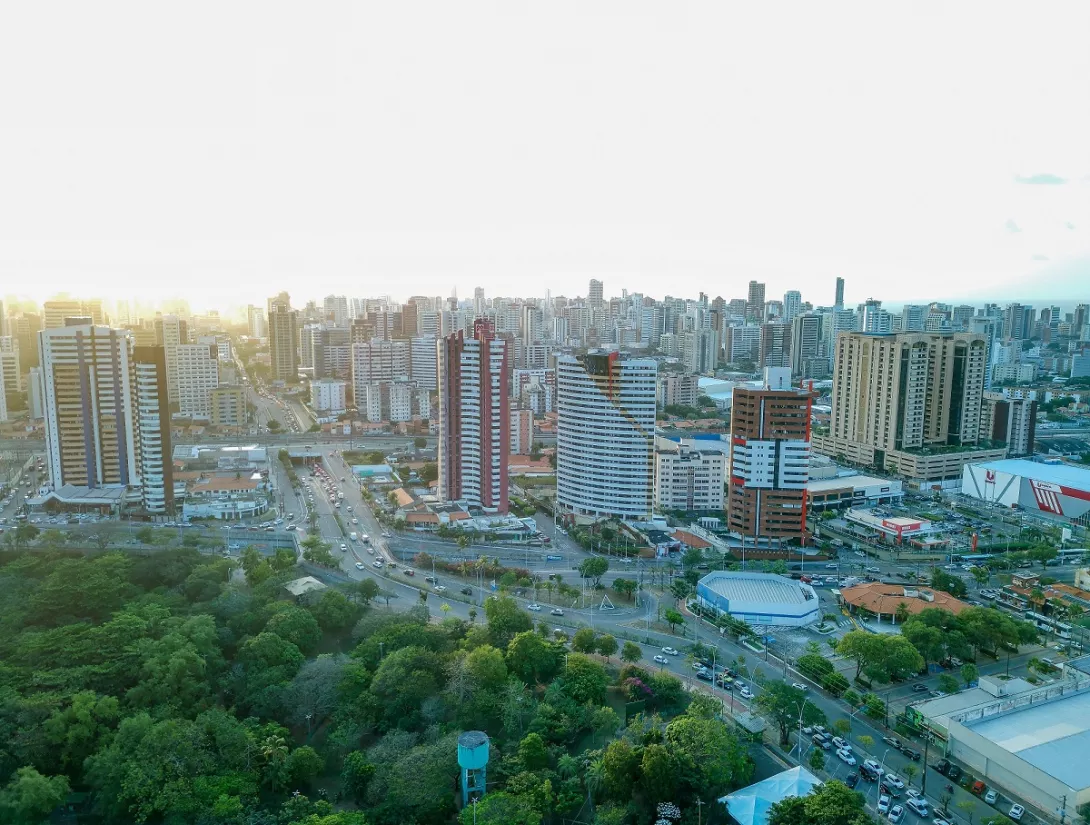
The decision was driven by strategic considerations: Rio was located on the coast and was considered vulnerable from a defense standpoint, while the economic development of Brazil's vast interior required a new center of gravity. Brasília was designed from scratch by architect Oscar Niemeyer and urban planner Lúcio Costa — the city was built in the shape of an airplane or a bird, and today it is a UNESCO World Heritage Site. Brasília officially became the country's main city on April 21, 1960.
Did It Achieve Its Goals
The results of moving the capital have been mixed. On one hand, the Centro-Oeste region did receive a genuine boost to its development — infrastructure grew up around Brasília, jobs were created, and the population of the Federal District has multiplied many times over the decades. On the other hand, the decentralization of power has remained largely a declaration on paper: economic and cultural life is still concentrated in São Paulo and Rio, while Brazilians tend to view Brasília more as a bureaucratic city than as the living heart of the nation.
What Rio Is Like Today
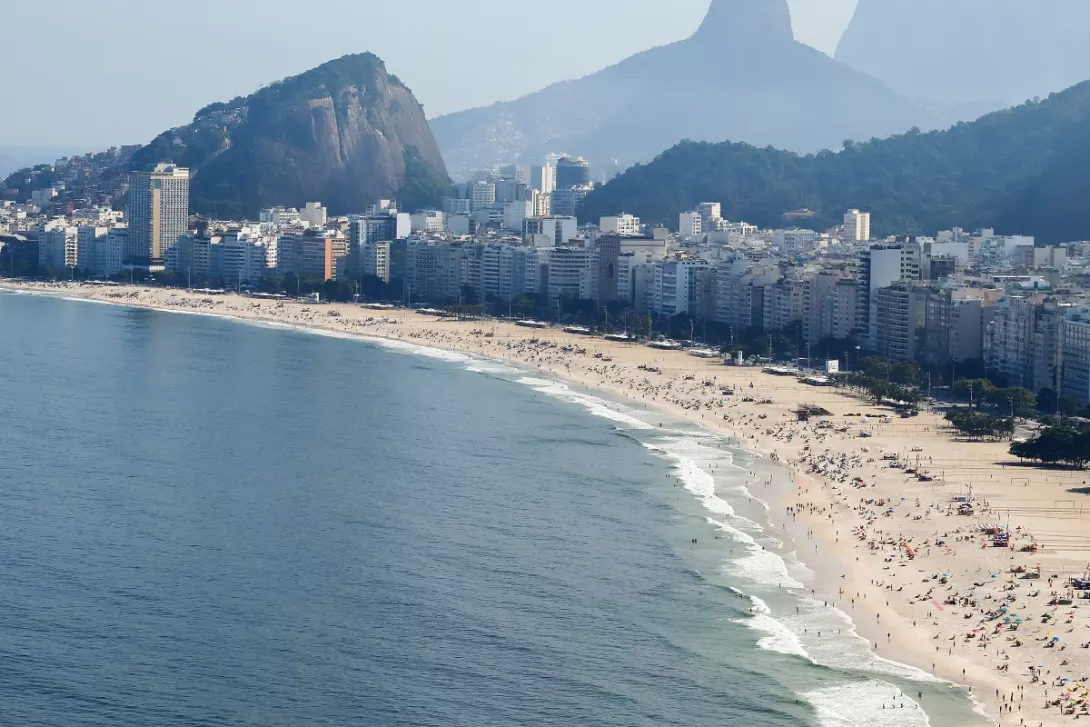
Despite losing its status as capital, Rio de Janeiro remains the biggest tourist magnet in Brazil and all of South America. The statue of Christ the Redeemer atop Corcovado mountain is listed among the New Seven Wonders of the World and welcomes around two million visitors annually. Rio's Carnival — the largest in the world by number of participants — draws up to five million people over the course of the festival.
When to Go and What to See
The best time to visit is from May to October, during the relatively dry season with comfortable temperatures around 25 degrees Celsius. Copacabana and Ipanema beaches, the climb up Sugarloaf Mountain, and strolls through the bohemian neighborhood of Santa Teresa all come together into a route that's impossible to forget. Rio remains a city of contrasts, where luxury hotels sit alongside favelas, and locals know how to enjoy life like few others in the world.

















.png)
.png)

.png)
.png)