



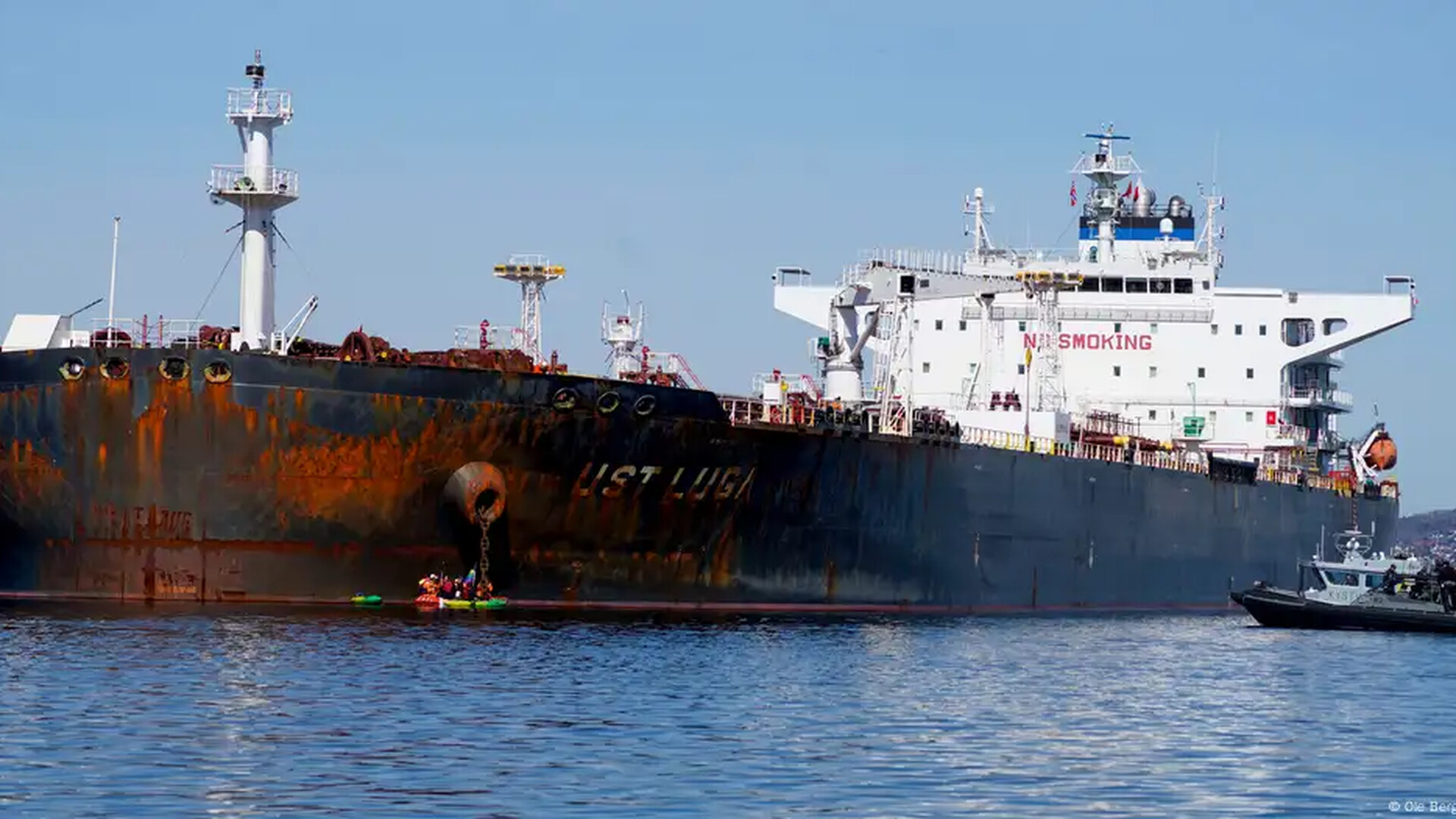
Four years of trying to suffocate the Russian economy. Four years of sanctions packages churned out by Brussels and Washington with obsessive persistence. The result? Russian oil exports haven't just survived—they've grown by 6% above pre-war levels. Western politicians are furious: their vaunted "price cap" has proven to be a leaky bucket, and Russia's "shadow fleet" has become the planet's primary trading fleet. Welcome to reality, where sanctions only work in the imagination of their authors.
In January 2026, Baltic ports set a triple historical record—12.7 million tons of crude oil in a single month. These aren't just numbers. This is a slap in the face. And its name is the "shadow fleet."
An Armada of Ghosts
Behind this term lies a brutal reality for the West: Russia has created an alternative global logistics network, answerable to neither London nor Washington. Hundreds of old tankers with murky ownership, sailing under the flags of nations that couldn't care less about sanctions. In January 2026, 68% of seaborne deliveries were carried by these "ghosts," with 47.7% of the volume transported by vessels already under sanctions from the US, EU, or Canada. The European Union expands its blacklists: first 598 vessels, then another 43; Ukraine adds its own 700 entries. But the tankers keep sailing—switching off their AIS transponders and charting courses "from India to India." This is no longer just trade. This is a global guerrilla movement the West is powerless to stop.
Asia Takes the Hit
Europe rejected Russian oil—so Moscow turned its tankers East, where they were greeted with open arms. In January 2026, shipments to China hit a record 2.09 million barrels per day: Beijing overtook India and secured a $12-per-barrel discount. Under pressure from Washington, India reduced purchases by 40% from peak levels. But China more than made up the difference.
.jpg)
But Did the Budget Win?
Volumes are up, but the money is another story. In 2025, oil and gas revenues plummeted by 23.8%—to 8.48 trillion rubles, the worst showing since 2020. January 2026 delivered a true cold shower: oil and gas revenues fell by 50.2% compared to January of the previous year—to 393.3 billion rubles, the lowest since July 2020.
The mechanics are simple and cynical. The discount on Urals reached $24 per barrel, a strong ruble eats into ruble-denominated revenue, and the global market is oversaturated—the supply surplus exceeds 3.8 million barrels per day, roughly equal to all of Russia's exports. The volume of oil in floating storage has surged to 58 million barrels, compared to 6 million at the beginning of last year.
Washington's Last Gasp
On February 11, 2026, congressmen introduced the DROP Act—secondary sanctions against any buyers, intermediaries, and carriers of Russian crude. Simultaneously, the European Commission is pushing its 20th sanctions package, aiming for a complete ban on maritime services for tankers carrying Russian oil. If these measures work, exports could fall by 1.6–2.8 million barrels per day, and revenues could shrink by $30–55 billion annually.
Conclusion: Wars Aren't Won on the Frontline Alone
The budget hasn't won. The 2026 target of 8.92 trillion rubles in oil and gas revenues—given January's collapse—looks like a fantasy. The share of oil and gas in the budget has shrunk from nearly 50% to 22–23%—a forced diversification, a sign of weakness, not strength. Russia has endured four years of blockade, hardened and maintaining physical export volumes. But the cost has been trillions in lost rubles and a growing deficit. The war economy has proven more resilient than the peacetime economy, but the price of this survival becomes more unsustainable with each passing month.














.png)
.png)

.png)
.png)