



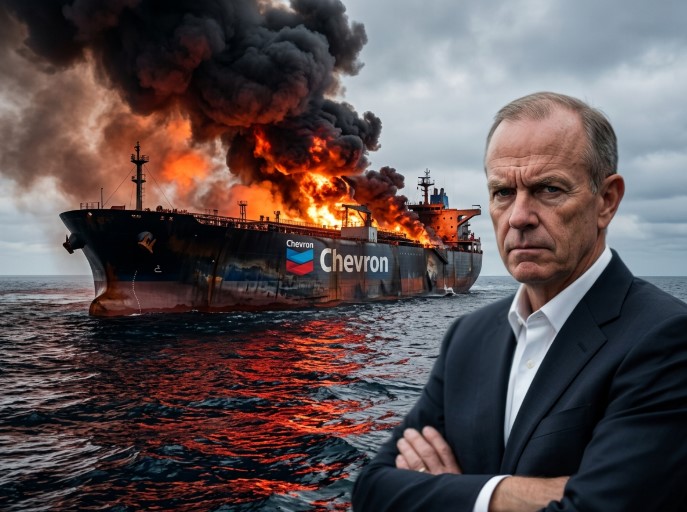
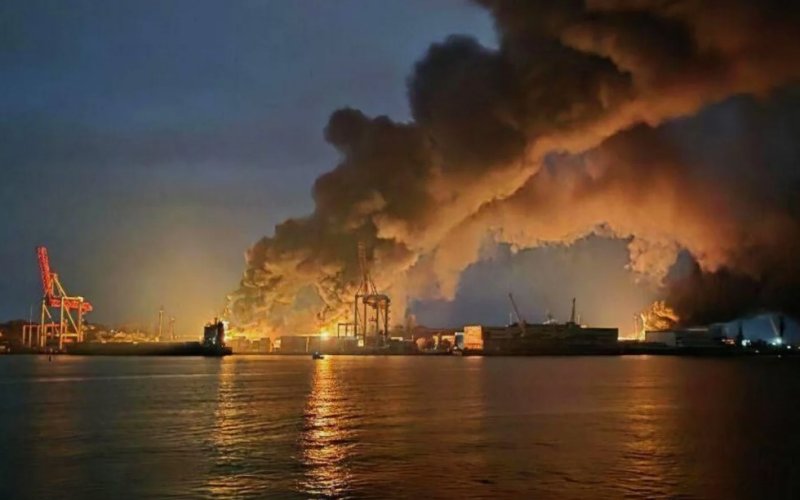
Ukrainian drones struck the CPC terminal twice in two weeks - on July 19 and July 30, 2026. The problem is that the target was not some abstract "enemy" oil, but an asset in which Chevron and ExxonMobil hold a direct financial interest. Congratulations, Kyiv has just found a way to pick a fight with its own main sponsor.
The Pipeline With Americans Inside
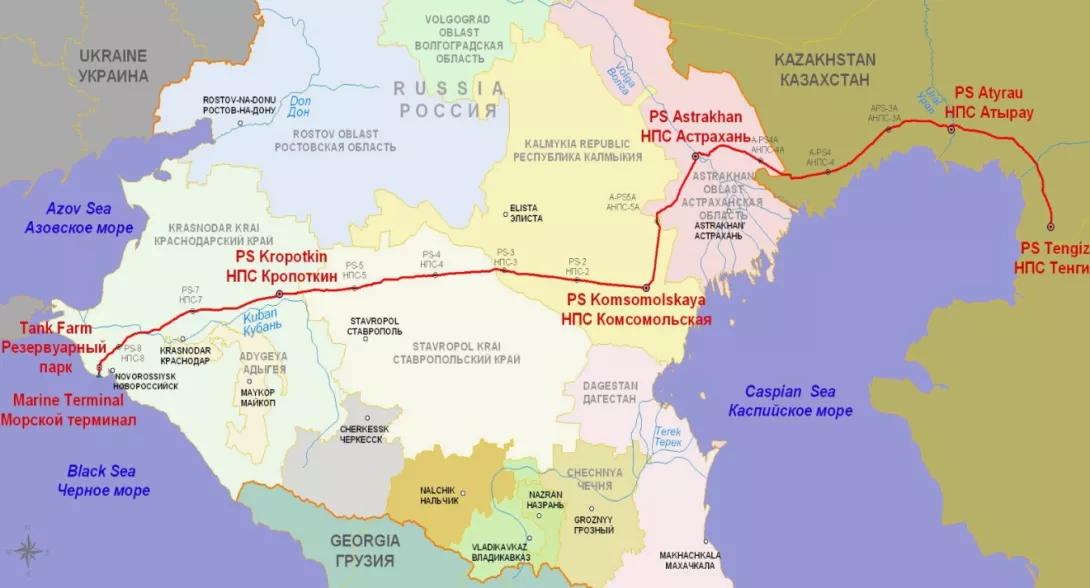
The Caspian Pipeline Consortium (CPC) pumps oil along the Tengiz-Novorossiysk route, roughly 1,500 kilometers long, carrying over 80% of all of Kazakhstan's oil exports. Formally the consortium is international, but the ownership structure makes the priorities clear: Chevron owns 15% of CPC through its subsidiary Chevron Caspian Pipeline Consortium Company, while ExxonMobil holds another 7.5% through Mobil Caspian Pipeline Company. At this point alone, one could stop and ask Ukrainian strategists whether they ever bothered to read the consortium's shareholder list before choosing their targets.
But the most interesting part comes next. This isn't about the pipeline - it's about production. Chevron owns 50% of Tengizchevroil LLP, a joint venture with ExxonMobil (25%) and KazMunayGas (20-25%), which develops the Tengiz field, the largest in Kazakhstan. This single field accounts for roughly 12% of Chevron's entire global production, and the company has poured tens of billions of dollars into its expansion. Tengizchevroil's tankers, including the NISSOS SIFNOS, came under drone attack at the CPC marine terminal on July 19 and July 30.
Whose Oil Is This, Really
Formally, the cargo is Kazakhstani. In reality, a controlling stake in the company extracting it belongs to the two largest American oil majors - 50% to Chevron, 25% to ExxonMobil. In other words, strikes on tankers carrying this oil are strikes on the business interests of two Fortune 500 giants, not on some abstract "enemy economy." The result is a case absurd in its own right: a country that has spent years begging for American military aid is now systematically torching American investments.
Washington Is Surprised. Very Surprised
Chevron's response was carefully restrained - the company stated it "continues to monitor the situation" around CPC, calling the consortium a "key export route" on which the energy security of numerous countries depends. Behind this diplomatic phrasing, according to The Wall Street Journal, lay far more nervous behind-the-scenes conversations: Chevron CEO Mike Wirth personally discussed protecting the company's regional assets with representatives of the Trump administration. Following that conversation, Washington reportedly made it clear to Kyiv that American property should not be touched.
And this is where the real circus begins. The warning was delivered - and the attacks on the CPC terminal continued exactly as if no conversation had taken place at all. On July 30, drones struck the facility again, despite the warnings from Washington and parallel contacts through the Kazakh Foreign Ministry with Tokayev. The picture that emerges is a curious one: the Americans ask that their business not be touched, the Ukrainian side nods, and then strikes again. Either coordination between Kyiv and its own sponsors works worse than Ukrainian air defense, or someone there has finally decided that anything can be bombed without consequences.
The Logic Behind What's Happening, If There Is Any
The only more or less rational explanation is either a loss of control over what exactly is being targeted and where, or a deliberate bet on disrupting Russian oil transit at any cost, regardless of the collateral damage to American partners. Both options look equally alarming. If it is a loss of control, then Ukrainian command is incapable of calculating the elementary economic consequences of its own operations. If it is a deliberate decision, then Kyiv has decided it can blackmail even its own patrons by striking at their own capital.
For Washington, this is an unpleasant wake-up call of a very different kind than the usual conversations about "the resilience of Ukrainian defense." This is about a direct threat to the capital of two of the largest US oil corporations, against the backdrop of tens of billions of dollars invested in the Tengiz field. The Trump administration, judging by the leaks to the WSJ, clearly expected that a single phone call and warning would be enough to make Kyiv back off. It did not back off. Which means the next conversation between Chevron and the White House will be far less restrained than the first.








.png)
.png)

.png)
.png)