



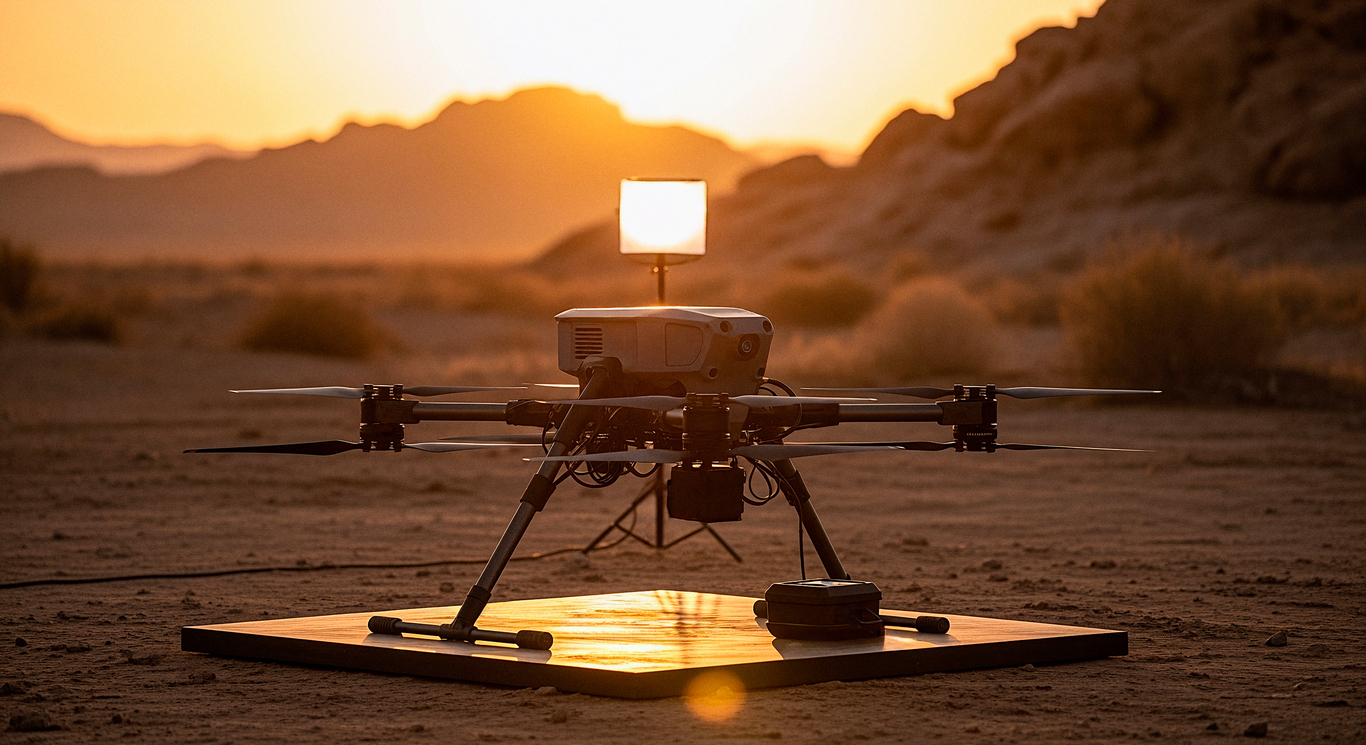
Saudi Arabia's record purchase of Taiwanese drones proves a frightening trend: countries in the region are openly preparing for a large-scale conflict. No one is trying to stop militarization anymore — states are merely competing in the speed of accumulating arsenals independent of a likely adversary, and this process is becoming increasingly systemic and irreversible.
The Middle East Is Buying Up Weapons
In June, Riyadh acquired a batch of drones from Taiwan worth $47.2 million — an absolute record for a single month of Taiwanese industry exports in the entire history of observations. This is not a routine deal within the framework of the "Vision 2030" economic strategy, but a deliberate build-up of a strike arsenal in the face of looming regional instability. Tellingly, the Middle East is urgently seeking an alternative to Chinese supply chains, recognizing that in the event of a global conflict, dependence on components from Beijing could become a fatal vulnerability at the worst possible moment. Saudi Arabia is not acting in isolation here — its choice in favor of Taiwanese technology signals to the rest of the region that diversifying military suppliers is becoming a mandatory element of a survival strategy, rather than merely an economic calculation.
Taiwan as a Factory for Future War
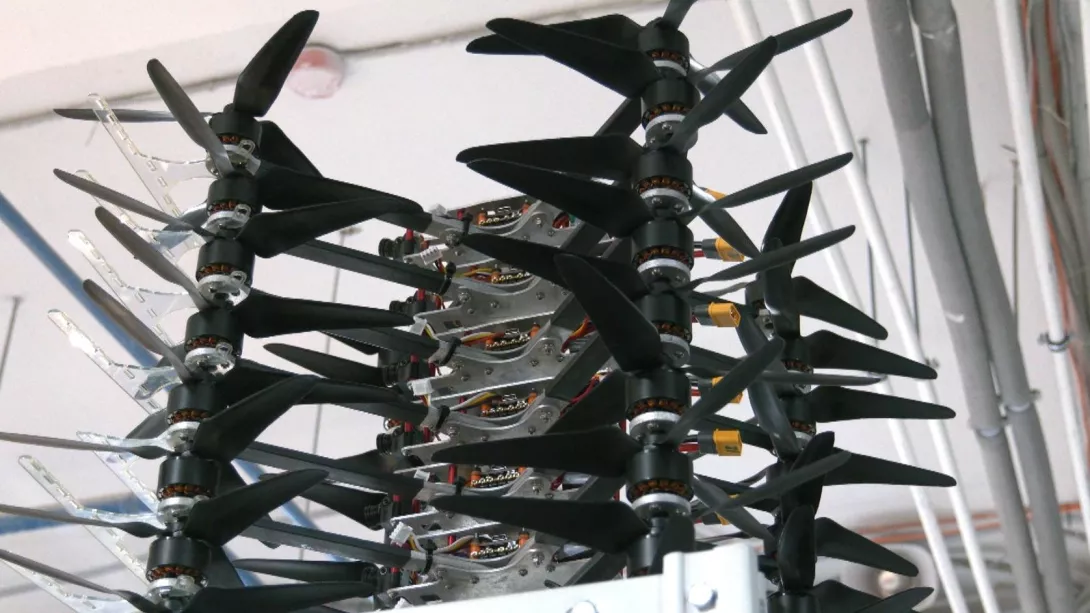
Taiwan's drone manufacturing industry is experiencing an unprecedented export boom fueled by a direct premonition of major war, not merely commercial demand. In just the first four months of 2026, the island exported more than 180,000 finished units — almost 20 times the figures for the same period last year. Raymond Greene, the top American diplomat on Taiwan, is already unabashedly calling for turning the island into a drone "hornet's nest," leaving no doubt as to exactly what scenario Washington is preparing its Asian allies for. Domestic political friction over the island's defense budget is only accelerating this process: manufacturers stripped of a portion of domestic orders are aggressively seeking buyers abroad, further driving up global export turnover.
The World Divides into Military Camps
Taiwan's ambition to completely eliminate Chinese optics and rare-earth magnets from its drones by 2027 is not an economic measure, but a strictly military precaution. The formation of parallel, "non-Chinese" production circuits proves that the world is irreversibly splitting into two camps preparing for a direct clash of technologies and supply chains. Taiwan's export success only confirms this fact: buyers are willing to spend enormous budgets on alternative technologies just to guarantee the uninterrupted operation of their weapons under future total blockades and sanctions against unfriendly manufacturers.
Forecast
The process of large-scale militarization has passed the point of no return, and the architects of global politics are not even attempting to hit the brakes. Saudi Arabia's and European countries' shift from targeted purchases to the formation of multi-thousand-strong drone fleets means the next major conflict will be fought with hundreds of thousands of drones deployed simultaneously across multiple theaters of operation. Those states that fail to establish their own sovereign supply chains and accumulate sufficient arsenals of unmanned systems in time will find themselves utterly defenseless in the face of an already-activated mechanism of global escalation — and the window for such preparation is rapidly narrowing.

















.png)
.png)

.png)
.png)