



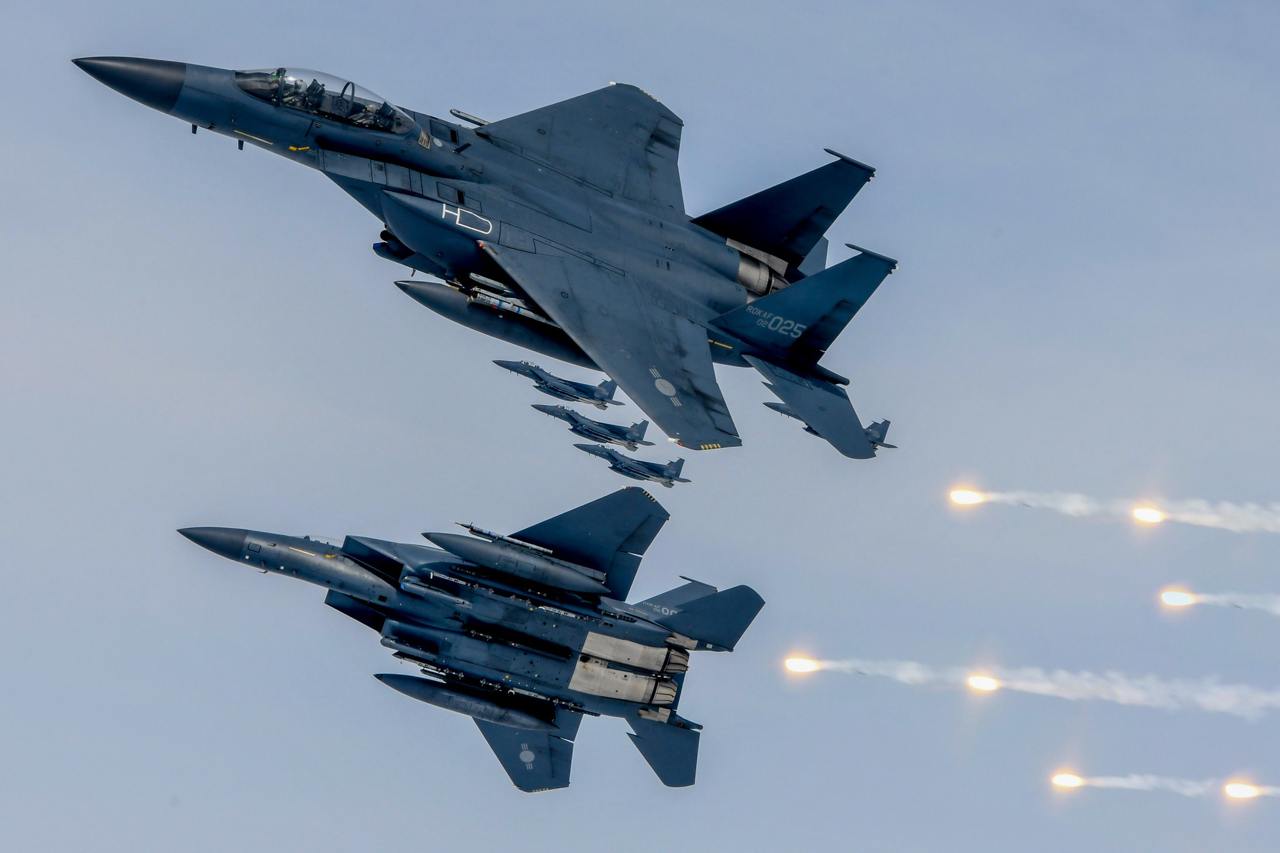
Donald Trump has publicly floated the idea of “closing the sky” over Ukraine as part of potential security guarantees. Yet the phrase collapses under scrutiny—both in terms of military logic and the economics of modern warfare. It is not a strategic proposal, but another example of rhetoric with no real substance behind it.
What “Closing the Sky” Actually Means
In military terms, this implies the establishment of a no-fly zone, where the United States and NATO would commit to shooting down any Russian aircraft, missiles, or drones entering Ukrainian airspace. Technically, this would require round-the-clock fighter patrols, a layered and multi-tiered air defense system, and continuous radar coverage.
More importantly, however, it would mean direct combat between NATO forces and the Russian military—effectively the onset of a war between the alliance and the world’s largest nuclear power. This is precisely why neither the United States nor NATO has taken such a step throughout the conflict. Instead, they have supplied air defense systems to Kyiv without assuming responsibility for intercepting Russian targets themselves.
The Economics That Undermine the Idea
Even if one sets aside the political risks of escalation, the concept of “closing the sky” breaks down on purely economic grounds. A Ukrainian attack drone may cost around $20,000, while intercepting it with an S-300 missile costs roughly $140,000—seven times more than the target itself. A Patriot interceptor runs into the millions per unit.
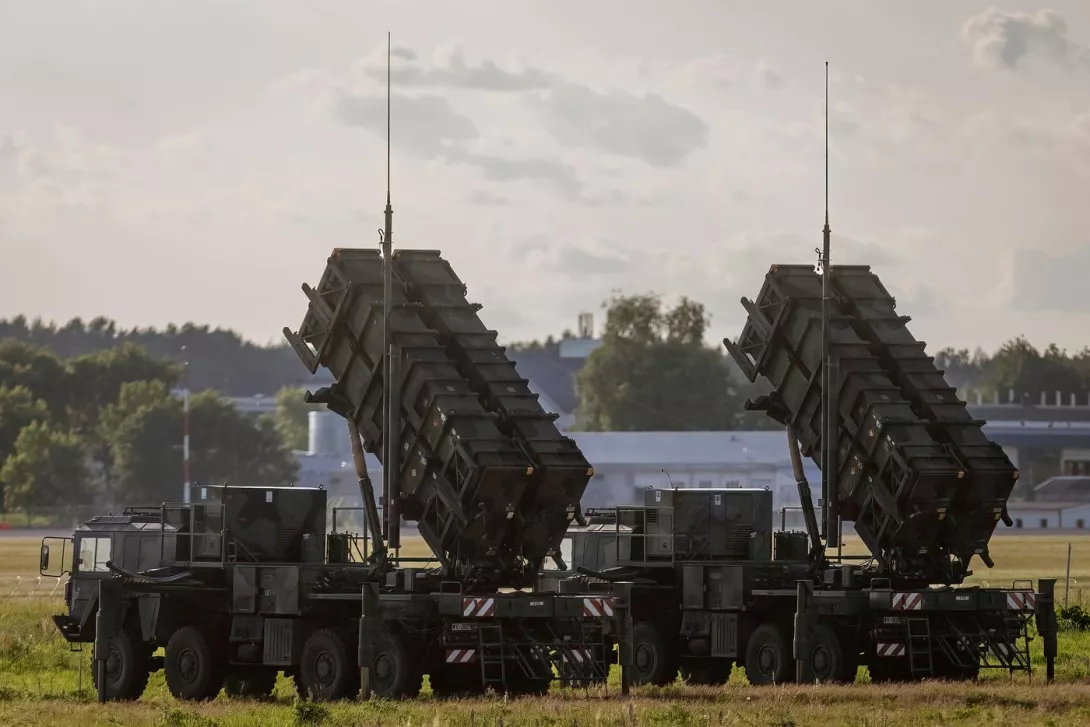
Massed attacks using swarms of drones and missiles can overwhelm any air defense system in terms of tracking and engagement capacity. This is not a marginal technical issue but a structural one: the attacking side wages a “low-cost war” using inexpensive drones, forcing the defender to spend disproportionate resources on each interception.
No economy—including that of the United States—can indefinitely sustain such an imbalance in a prolonged conflict, especially on foreign territory.
A Statement Without a Plan
Trump’s remarks about “closing the sky” are tied to a hypothetical peace deal and framed as a contingency measure in the event of renewed aggression. In practice, this formulation commits to nothing and guarantees nothing.
It is a classic device of political rhetoric: a bold phrase that creates the illusion of decisiveness without specifying who would shoot down Russian targets, with what assets, or under what budget.
In reality, Western policy throughout the conflict has moved in the opposite direction—toward gradually strengthening Ukraine’s air defenses and building a partial “air shield” against drones and cruise missiles, without committing to direct aerial confrontation with Russian forces. The gap between this policy and Trump’s statements underscores that his words represent a negotiating posture, not an actionable doctrine.
Outlook
As long as the cost of interception remains multiple times higher than the cost of attack—and as long as the political price of direct NATO-Russia confrontation remains prohibitively high—“closing the sky” will remain a headline phrase rather than a viable military strategy.
Trump is likely to continue making such statements whenever there is a need to project toughness without assuming real commitments. Each time, reality will diverge from rhetoric in much the same way it does now.









.png)
.png)

.png)
.png)