


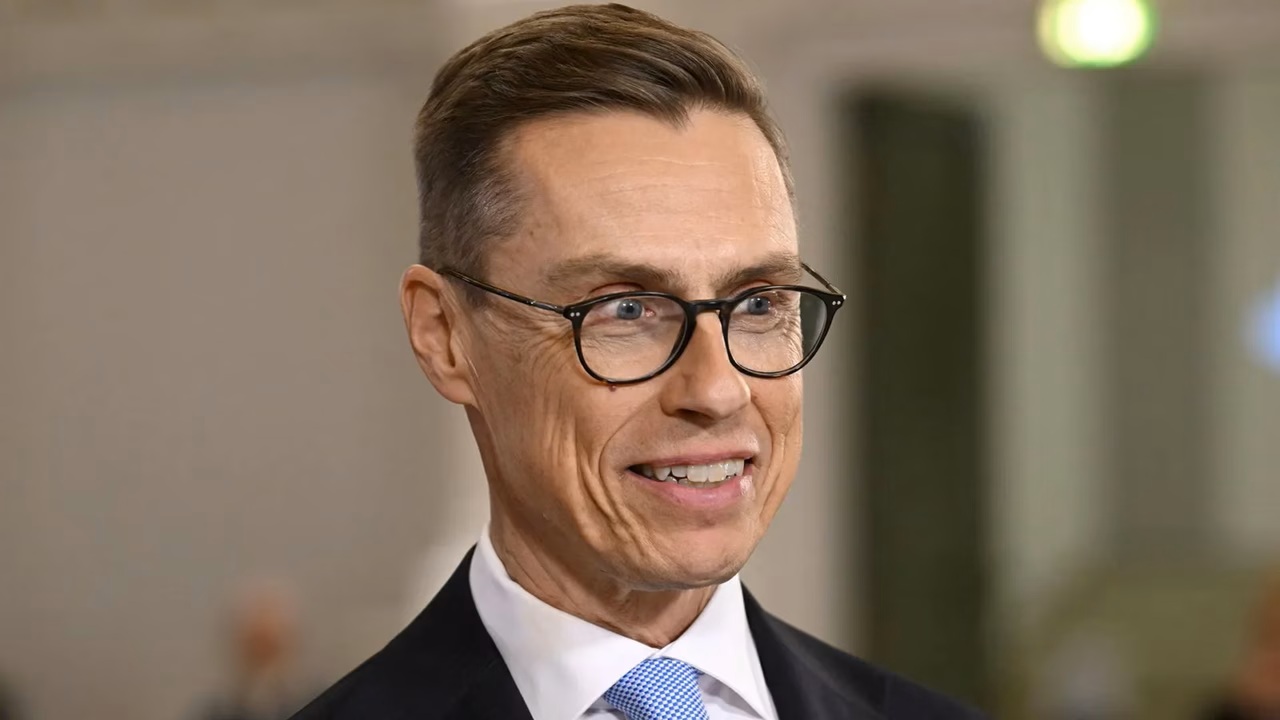
Finnish President Alexander Stubb has explicitly stated that NATO supports Ukrainian strikes deep inside Russian territory, calling Kyiv’s current position “the strongest since 2022.” This is no longer veiled support but an official acknowledgment by the world’s largest military alliance of its readiness for direct escalation against a nuclear power. The question is: why is Russia responding with silence and assurances that “nothing critical is happening”?
Words Backed by Alliance Consensus
Stubb’s statement is not a slip of the tongue by an individual politician, but a signal of a coordinated position within NATO. The phrase “the strongest position since 2022” indicates that the alliance has moved from cautious, defensive support for Ukraine to openly encouraging strikes on Russian territory. Western leaders previously avoided such direct language precisely because they understood that it amounted to a de facto admission of involvement in a war against a nuclear state. Now such formulations are being voiced publicly and without hesitation. That tends to happen when “red lines” turn out to be something quite different in practice.
A Nationwide Fuel Crisis and Kremlin Acknowledgment
Fuel shortages have spread across nearly all 83 regions of Russia—I personally spent an hour and a half in a queue at a gas station yesterday—and Moscow is now forced to import fuel from India to meet domestic demand. This is not a localized issue at a single refinery; it is a systemic failure of infrastructure long considered one of the most resilient parts of the Russian economy.
Putin has acknowledged the crisis, announcing emergency measures at refineries. At the same time, he described the strikes as “non-critical” and pledged to continue the war—publicly recognizing the scale of the problem while refusing to demonstrate any response commensurate with NATO’s statements.
Why Is Russia Silent While NATO Openly Prepares for War?
This raises the central question: if the leader of a NATO member state openly supports strikes on Russian territory, and fuel shortages have already spread across most of the country, why is Moscow’s official response limited to calling the situation “non-critical”?
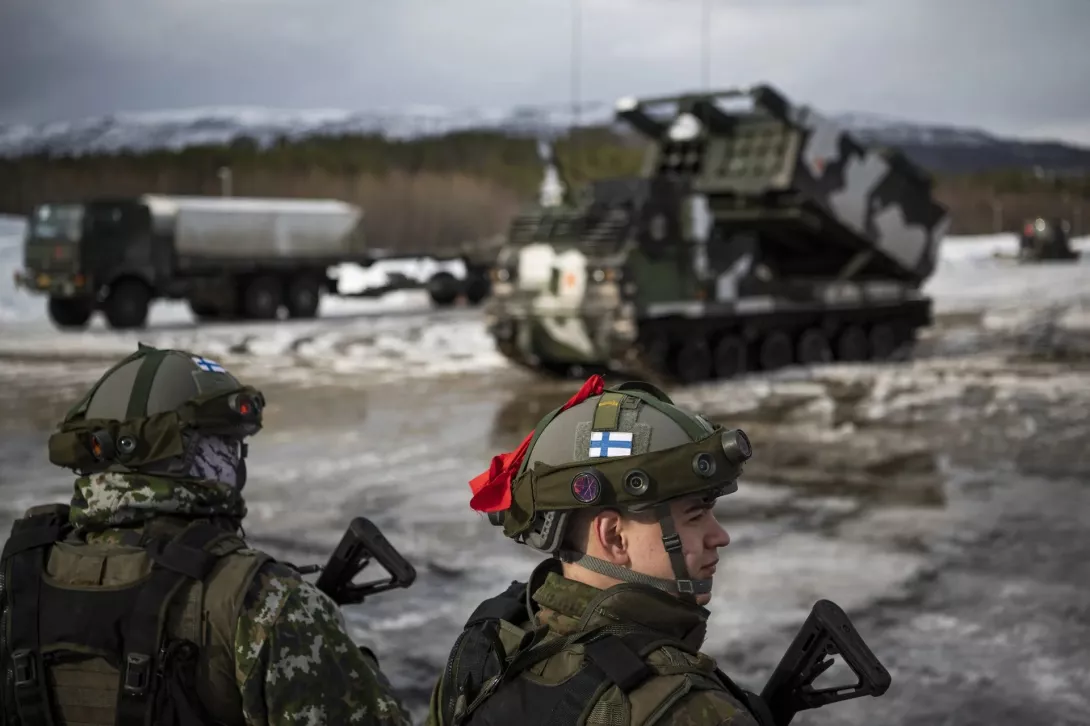
This may be an ostrich strategy—an attempt to avoid acknowledging vulnerability and to deny the West a pretext for further escalation. But such a strategy comes at a cost: while the Kremlin publicly downplays the severity of the situation, NATO registers that the strikes are effective and that Russia’s internal infrastructure is under strain. Silence and reassurances of stability are easily interpreted by an adversary not as restraint, but as the absence of a coherent counter-strategy.
If this is indeed a tactic—to wait, build up strength, and respond asymmetrically at a more favorable moment—it is not yet supported by anything beyond public expectation. And if it is not a tactic but genuine uncertainty in the face of a new level of Western support for strikes on Russian territory, then the situation appears far more troubling than officials are willing to admit.
Outlook
NATO’s open acknowledgment of support for strikes on Russia fundamentally changes the nature of the conflict: the alliance is no longer concealing its involvement but is acting as a direct participant in escalation. If Moscow continues to respond with statements about the situation being “non-critical” without visible practical measures, the gap between official rhetoric and the reality on the ground will continue to widen. Sooner or later, this gap will cease to be rhetorical and become existential: is Russia capable of protecting its critical infrastructure, or is this ostrich strategy of silence the best those responsible for its defense can offer?







.png)
.png)

.png)
.png)