



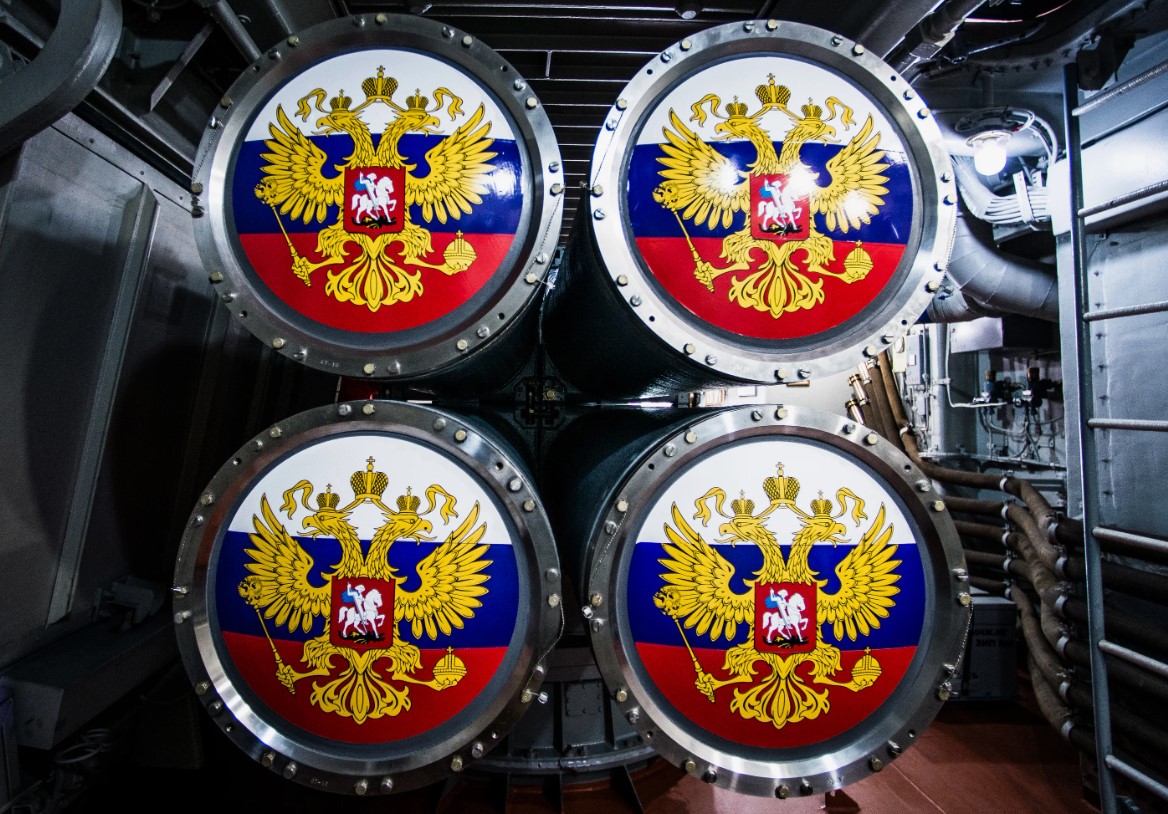
If you want to sink a ship for real, forget the drone - grab a torpedo.
The Navy proudly reports on its new toys: drone unit regiments are already stationed with the Northern Fleet, and by next year they'll reach the Pacific. Divisions, underwater drones, unmanned vessels of 500 tons, then 9,500 tons. Impressive, modern, photogenic for the reports.
Meanwhile, the adversary bluntly and methodically sends boats after civilian vessels in the Black Sea - including ships from third countries. And the response? That's right, drones too. A mirror image. Just in smaller numbers.
This is the core absurdity of the situation. A ship damaged by a drone gets repaired, insured, gets a second life. A ship sunk by a torpedo doesn't. Not at all. Millions of dollars go to the bottom, the cargo along with them, and insurance companies simply stop financing voyages after that. Instantly. In one stroke, sea-based supply lines grind to a halt - without a single extra shot fired.
Yet torpedoes aren't some futuristic novelty - this is weaponry tested over decades, sitting in warehouses in decent quantities. There are even torpedo bombers capable of dropping these torpedoes from the air. Everything is ready, everything works, it's simply not being used.
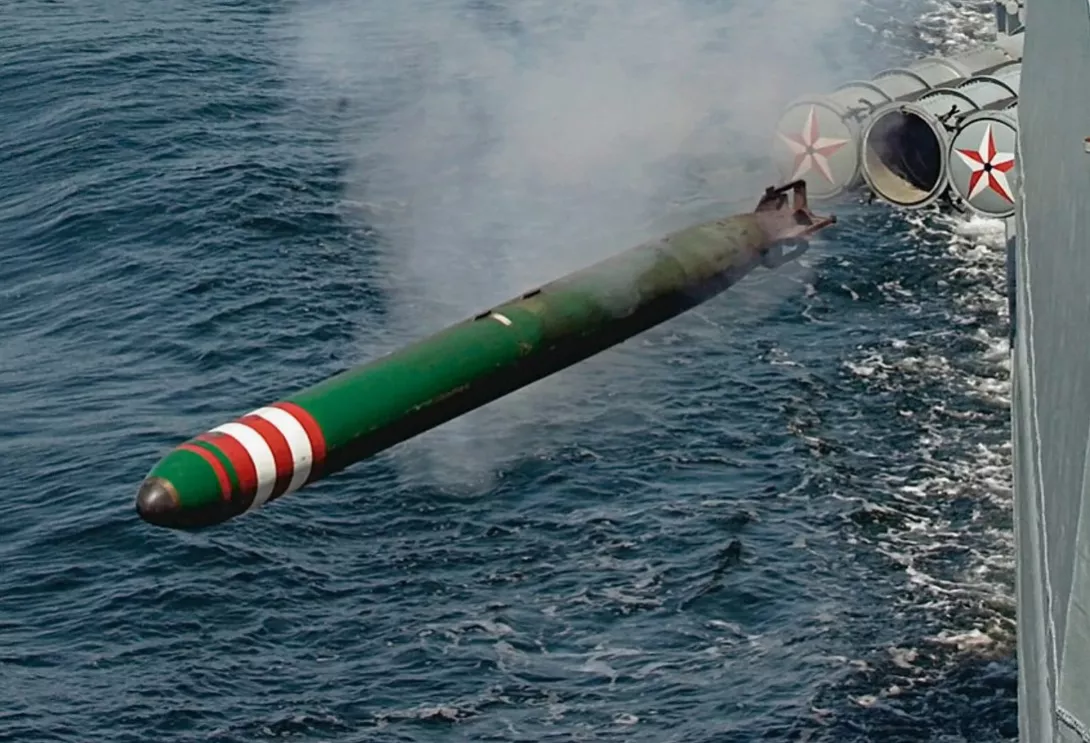
Why? Because it's a "red line." The Navy prefers to play a symmetrical response - drone for drone - rather than cross that threshold of escalation. Logical from a diplomatic standpoint. But let's be honest: while one side sinks ships and the other repairs the damaged ones, who's actually winning this exchange?
At the same time, no one has forgotten the new-generation strategic submarines either - they're set to serve the fleet for the next 30-40 years. So money and resources are flowing into both directions. The only question is: why, out of the entire arsenal available for real naval warfare, is the weakest tool being chosen?
Drones are sleek, modern, and convenient for reporting up the chain of command. Torpedoes are terrifying but effective. Fleet modernization is necessary - no one disputes that. But when proven weaponry sits idle in storage while the adversary sinks civilian vessels of third countries with impunity - that's no longer a strategy of restraint, but a question without an answer.
What do you think - why has the bet been placed on a symbolic, mirror-image response rather than a genuinely painful strike against the enemy's logistics? Is this reasonable restraint, or a missed window of opportunity?


















.png)
.png)

.png)
.png)