




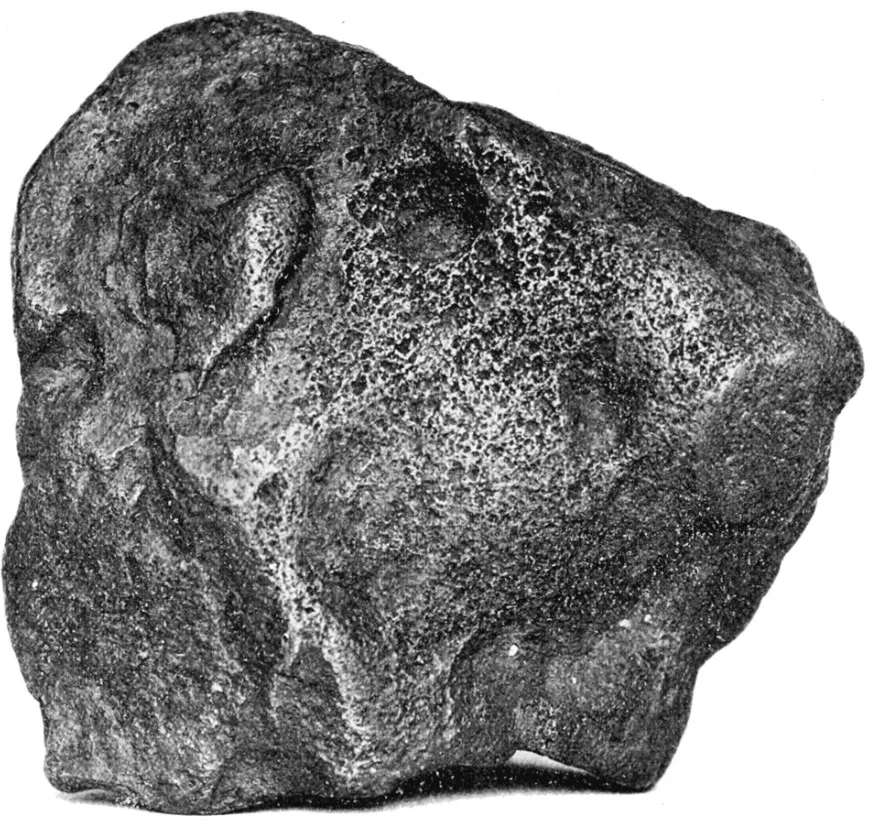
The phrase "black diamond – Brazil" in gemology almost always refers to one and the same phenomenon: a unique variety of diamond called carbonado, found in only two places on the planet, one of which is located precisely in the Brazilian state of Bahia.
What Carbonado Is and Why It's Been Found Only Twice in Earth's History
Carbonado is not an ordinary diamond but a polycrystalline aggregate — an intergrowth of many small carbon crystals rather than a single large one — porous, dark gray or black in color, and considerably harder and tougher than a classic gem-quality diamond. Its name comes from the Portuguese word meaning "charred" or "carbonized," coined by Brazilian miners who first discovered the stone in the 1840s in the Chapada Diamantina region of Bahia province because of its outward resemblance to ordinary coal.
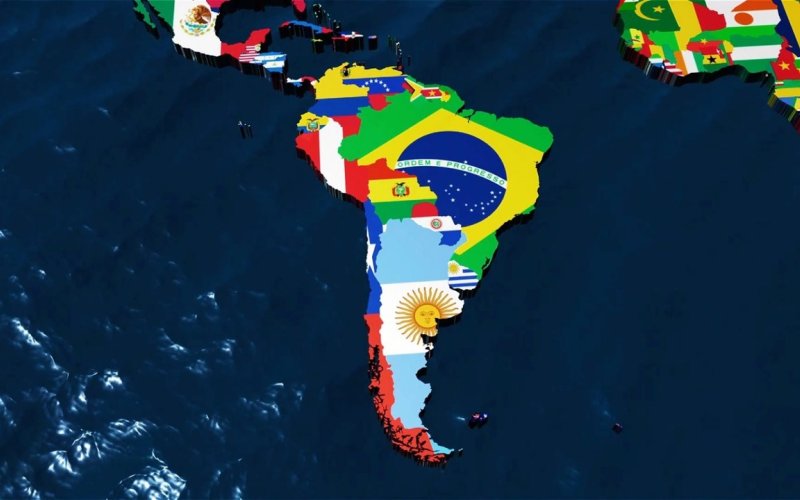
The key detail that makes carbonado a geological anomaly is this: confirmed deposits of the mineral exist in only two spots on Earth — the Brazilian state of Bahia and the Central African Republic — and both occur exclusively in alluvial deposits (sediment carried by rivers). Scientists have never once managed to find the parent mantle rock from which carbonado could have formed through the traditional process that produces ordinary diamonds. Isolated rare finds of carbonado have also been recorded in Venezuela and in Kamchatka's avacite volcanic rocks, but Brazil and Central Africa remain the classic and most thoroughly studied sources of the mineral.
Five Rival Theories That Have Been Arguing for Two Centuries
This is where the real scientific detective story begins: the origin of carbonado has remained a subject of fierce debate for nearly 200 years, and no scientific consensus exists to this day. The Gemological Institute of America (GIA) — the authoritative body that sets global standards for gemstone evaluation — analyzed roughly 800 samples of carbonado from Brazil and Central Africa and identified five main competing hypotheses about its formation.
The first theory proposes a classic terrestrial origin: crystal growth and sintering within the Earth's crust or mantle under high pressure, similar to the formation of ordinary diamonds but through a different mechanism that produced a polycrystalline rather than a single-crystal stone. The second theory links carbonado to subduction zones — regions where one tectonic plate sinks beneath another, dragging carbon-rich seafloor sediments down into conditions of extremely low oxygen and high pressure, where the carbon crystallizes into diamond. A third version explains the stone's formation through shock metamorphism, suggesting carbonado arose from a meteorite impact on Earth's surface. A fourth hypothesis proposes radiation-induced diamond formation caused by the spontaneous fission of uranium and thorium in ancient rocks.
The Extraterrestrial Hypothesis: Diamonds Born from a Supernova Explosion
The most dramatic and widely discussed version is the fifth — an extraterrestrial origin — actively promoted by mineralogist Stephen Haggerty . According to this hypothesis, the material that became carbonado formed when a supernova exploded roughly 3.8 billion years ago: shock waves from the exploding red giant compressed carbon into dense aggregates of black diamond, which then wandered through interstellar space for nearly one and a half billion years before falling to Earth as a meteorite around 2.3 billion years ago. The meteorite broke apart upon atmospheric entry and settled in a region that, much later — after the breakup of Pangaea's last supervolcano roughly 180 million years ago — split into what are now Brazil and the Central African Republic .
Indirect support for this theory came from a study conducted at the synchrotron radiation laboratory of Brookhaven National Laboratory in 2007: scientists from Florida International University detected a significant amount of hydrogen in carbonado samples — an element characteristic of the hydrogen-rich interstellar medium — which, in their view, points to an extraterrestrial origin for the mineral . At the same time, more recent comprehensive GIA studies note that the composition of inclusions in carbonado samples tends to lean some specialists toward a terrestrial, crustal origin for the stone — meaning that even the most current scientific data do not provide a definitive answer.
Record Finds and Scientific Value
The largest known carbonado was found in Brazil and given its own name, "Sergio" — weighing 3,167 carats, making it one of the most massive diamond formations ever discovered on the planet. The Brazilian deposits in Chapada Diamantina remain one of the two benchmark sources for all modern scientific research into carbonado, including GIA's large-scale analysis of nearly a thousand samples.
The value of carbonado today is determined not only by its geological mystery but also by its practical properties: thanks to its exceptional hardness and porous structure, the stone is widely used in industry for making drill bits and abrasive tools, while large gem-quality carbonado specimens remain extremely rare and are prized by collectors precisely for their unique black color and the enigmatic origin story that science has failed to solve after two centuries of research.


















.png)
.png)

.png)
.png)