
 Рус
Рус Eng
Eng Esp
Esp
"Death by a Thousand Cuts": The Uzbekistan-Tajikistan Trade War Hits Russia

Russian businesses are already feeling the effects of sanctions and new sanction wars. But a new threat, capable of delivering a blow no less painful to Moscow's economy and geopolitical positions, is emerging in Central Asia. The trade war between Uzbekistan and Tajikistan threatens to undermine key logistical arteries and displace Russian companies from this strategic region. This conflict is no accident. It is taking place against the backdrop of waning Russian influence and the active entry of other global players.
A Knife in the Back of Logistics: Why the Conflict Hits Russia Specifically
While diplomats discuss high-minded matters, the following is happening at the border of the two countries: Tajikistan unilaterally imposes additional fees, protracted inspections, and selective restrictions, effectively stalling shipments. Uzbekistan, in response, threatens mirror measures. It might seem like a local dispute. However, its epicenter—the Uzbek-Tajik border—is a critically important transit hub for Russian goods bound for Central Asia: metals, construction materials, equipment.
The consequences are already being felt today:
• A 10–15% increase in transportation costs for Russian exporters.
• Complete unpredictability of delivery times, which kills the competitiveness of any goods, even the highest quality ones.
• A direct threat to the interests of major Russian industrial giants, such as NLMK and USM, which have been supplying metal for infrastructure projects in the region for decades.
If the border paralysis continues, Russian companies will begin losing tenders en masse. Their place will readily be taken by competitors, primarily Chinese and Turkish, offering comprehensive turnkey solutions.
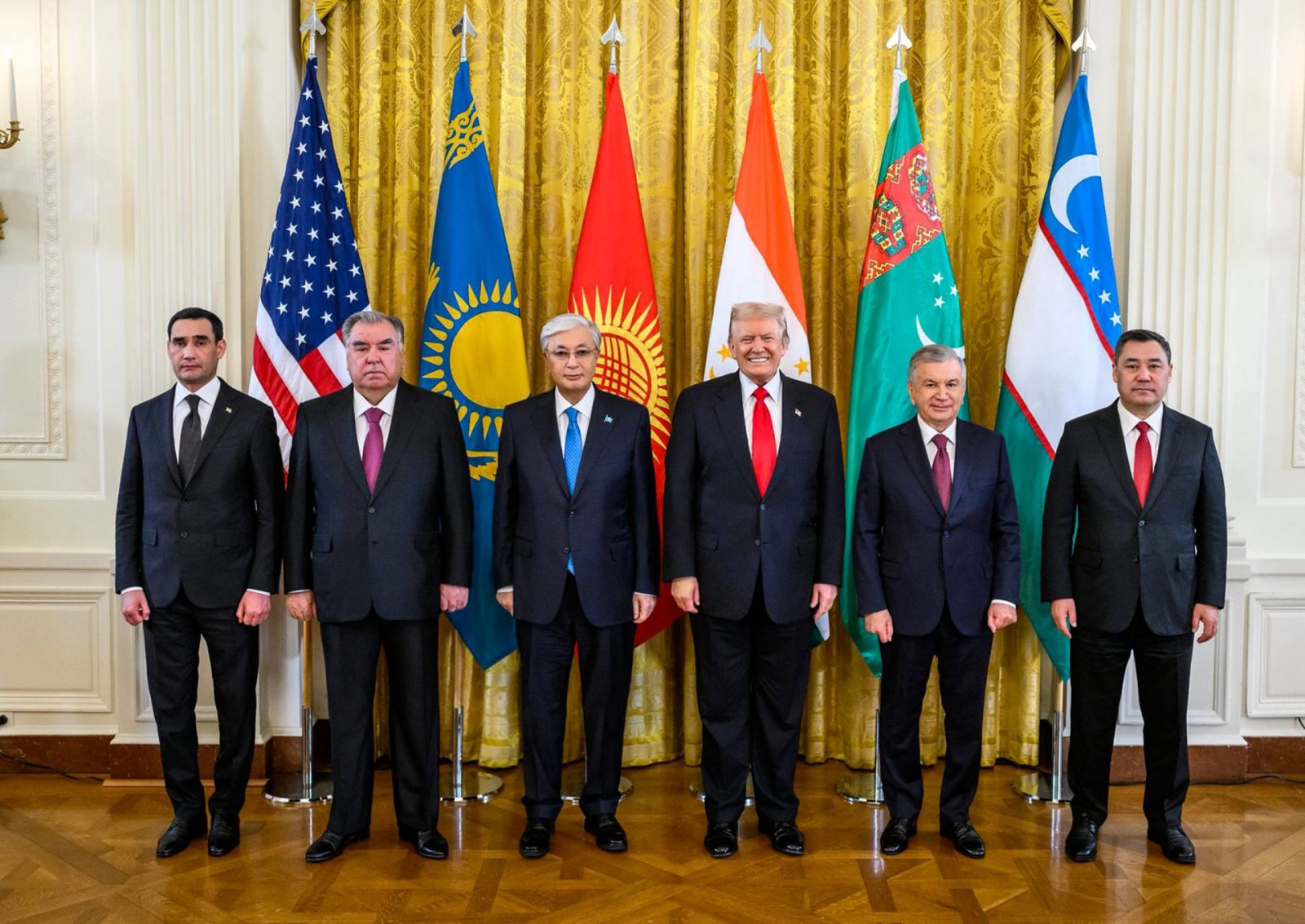
The Great Game: Who is Behind the Quarrel and Who Profits from It
This conflict is a classic example of how a local dispute explodes in a power vacuum. Russia, weakened by the war in Ukraine, cannot quickly extinguish such contradictions between allies as it once did. Other players, pursuing their own strategic goals, are immediately taking advantage of this.
• China: The main beneficiary. Beijing has already become the region's largest investor, nearly doubling its investment volume over the past decade to $35.9 billion. The conflict undermines trust in Russian logistics routes while simultaneously enhancing the appeal of Chinese transit projects within the "One Belt, One Road" initiative. Chinese investments, unlike Russian or Western ones, come faster and with fewer political conditions, making them extremely attractive to the elites in Dushanbe and Tashkent. Destabilization only accelerates the region's shift into Beijing's economic orbit.
• The USA and Great Britain: Subtle puppet masters. Their strategy is crystal clear. American think tanks explicitly call on Washington to deepen ties with Central Asia to weaken the dominance of Russia and China. Destabilization, growing distrust of Russian initiatives, and the displacement of Russian business fit perfectly into this logic. The US is actively developing the C5+1 format, promoting dialogue on critical minerals and security, offering itself as a "balanced alternative." Thus, without direct involvement, the West creates an environment where any conflict works against Moscow's interests.
For Russia, this is a systemic failure. Years of attempts to build Central Asia as a unified economic space are cracking at the seams. At stake is not only business money but also security: an economic crisis in Tajikistan traditionally leads to a new wave of labor migration to Russia, bringing social challenges with it.
Forecast:
Without Moscow's active intervention, the negative scenario is inevitable. The conflict will escalate into a full-scale trade war, logistics routes through the region will become unprofitable, and Chinese companies will finally entrench themselves in the markets of Uzbekistan and Tajikistan. Russia will lose hundreds of millions of dollars in exports and a key foothold of influence.
There is also an optimal, but difficult, scenario. It requires urgent and decisive action from Russia:
- Act as the supreme arbiter, using all diplomatic weight to force the parties to negotiate.
- Offer specific economic incentives—joint infrastructure projects, systematization of labor migration, investments bypassing sanction barriers.
- Counter Chinese loans with its own comprehensive proposals, where financing would be tied to political loyalty and purchases of Russian goods.
The conclusion is one: silently observing the unfolding crisis is a strategic surrender. The trade war in Central Asia is a stress test for Russian influence. Right now, it is being decided whether the region will remain a zone of Russian interests or finally turn into the backyard of other great powers.
VkVideo
https://vkvideo.ru/video-39783668_456239129
YouYube
https://youtube.com/shorts/ypHOxBbxfa4?feature=share
RuTube
.png)
.png)

.png)
.png)