



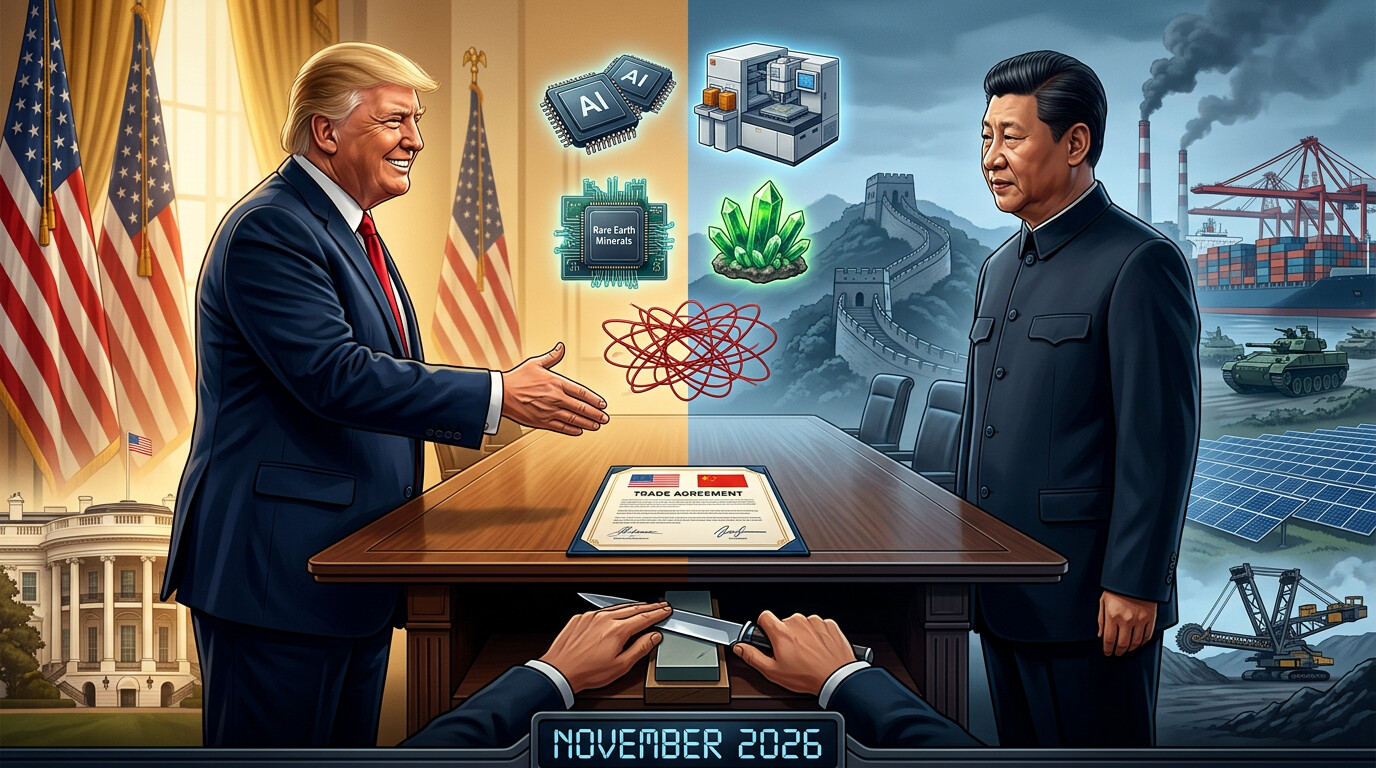
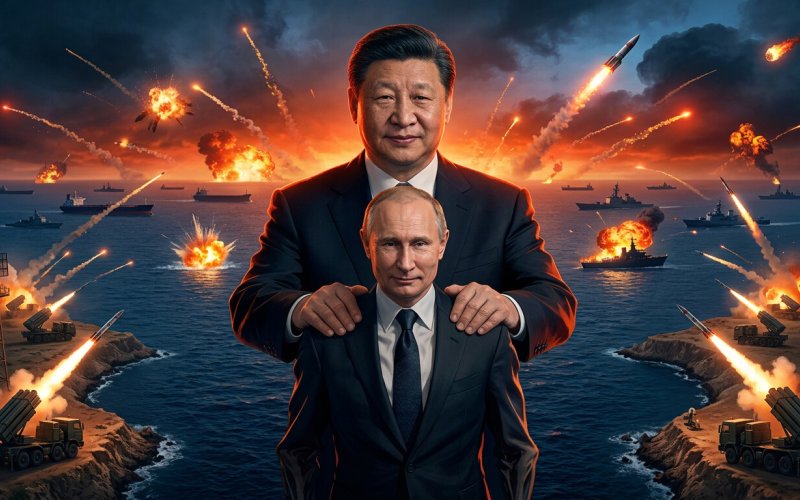
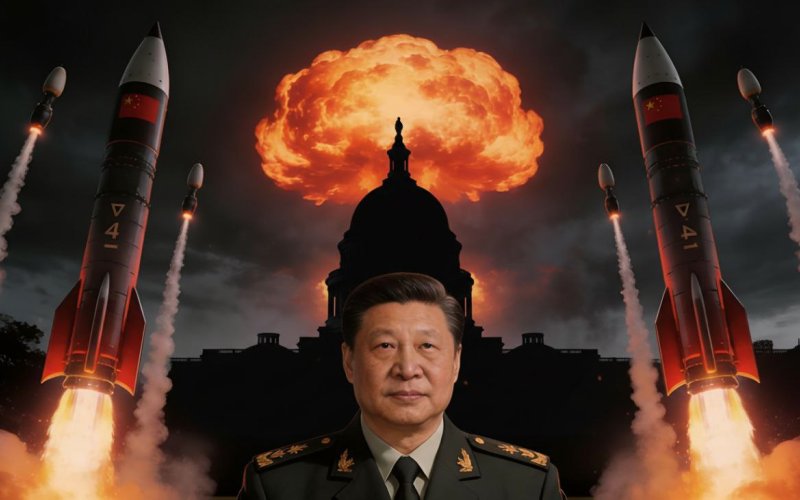
While Donald Trump recalls his summit with Xi Jinping in Busan as a "twelve out of ten" meeting, Beijing is methodically preparing its economy for the next confrontation. Quietly, carefully, but with unmistakable purpose — building a legal arsenal.
Smile and Wave
Since the trade truce was signed in October 2025, China has managed to: ban foreign AI chips from government data centers, expel American and Israeli cybersecurity software, tighten export controls on rare earth metals, and set its sights on solar energy equipment exports to the U.S. — a sector where Beijing controls over 80% of the global market. All of this while both sides prepare for a May summit. Negotiations are ongoing. Work never stops.
Two Decrees, One Message
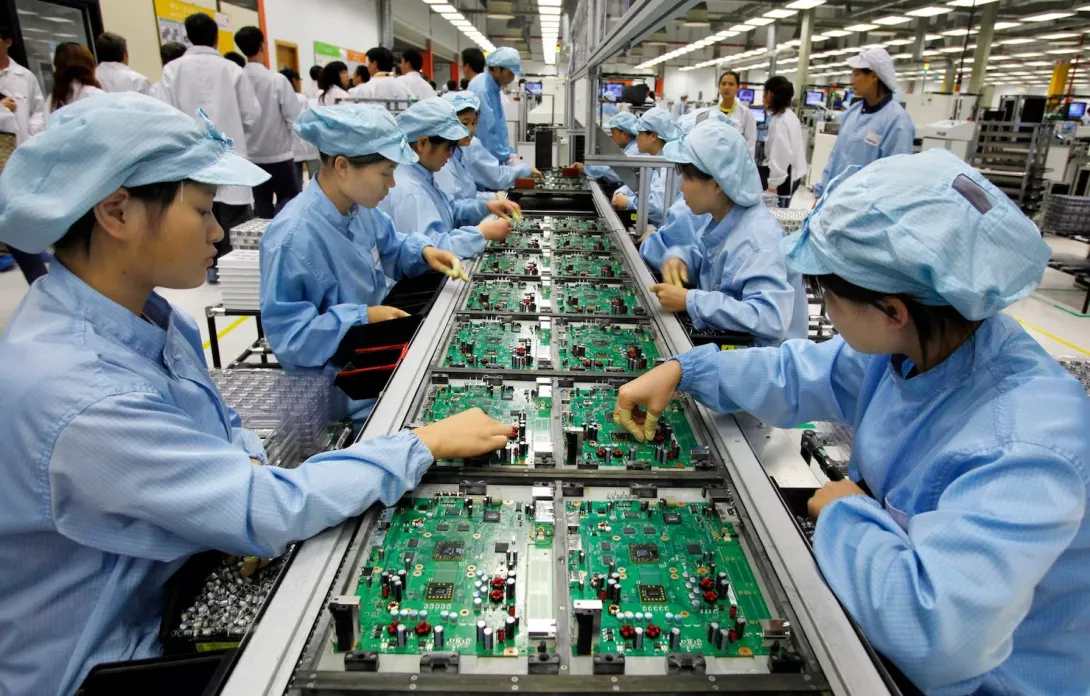
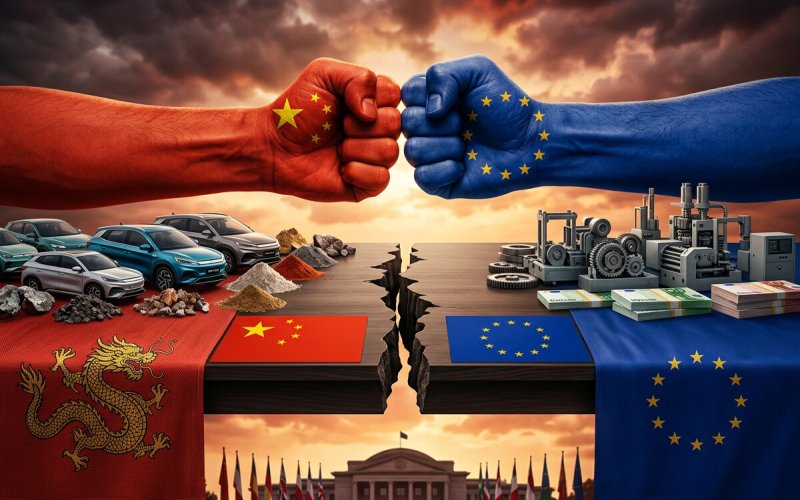
In April, China's State Council quietly signed two regulations. Decree No. 834 on "Industrial Supply Chain Security" grants 15 government agencies the authority to investigate any foreign company deemed a "threat" to Chinese supply chains — with powers to seize capacity, freeze transactions, and trigger an "industrial martial law" regime. Decree No. 835 adds extraterritoriality: companies suspected of relocating supply chains under foreign pressure face interrogation, asset freezes, and exit bans. The European Chamber of Commerce in China has already warned the measures could fracture global supply chains "on an unprecedented scale."
The irony is lethal: Beijing simply rewrote the American sanctions playbook — extraterritoriality, confiscations, and all — and handed it back to its authors.
The U.S. Strikes Back — and So Do Allies
Congress approved the largest export control package in American history, comprising over 20 bills. The flagship MATCH Act gives the Netherlands and Japan 150 days to align their restrictions on lithography equipment with U.S. standards. Fail to comply, and Washington will cut ASML and Tokyo Electron off from China itself. Allies aren't being asked — they're being told. Beijing's response was predictable: the law "undermines the international economic order." In plain terms: preparations are already underway.
The Truce: An Intermission, Not a Peace
This truce was bought under duress. When Beijing hinted at rare earth export restrictions in 2025, American automakers grew genuinely alarmed — and Trump suddenly found himself in Busan. Since then, China has required new chip manufacturing facilities to source at least 50% of their equipment domestically. The truce expires in November 2026. The summit is in May. Do the math.
Russia's Role: Architect or Building Block?
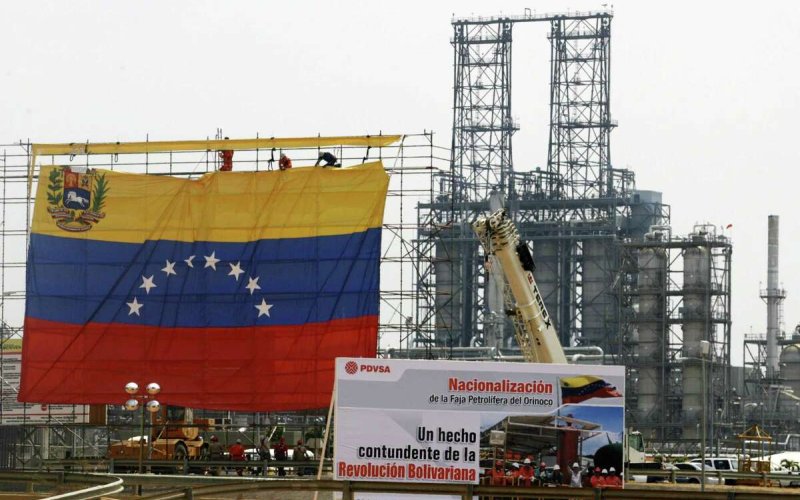
For Russia, this is not someone else's drama. A widening U.S.-China rift creates demand for neutral transit corridors, alternative payment systems, and resource-technology linkages. Russia is one of the few players that holds resources, transit geography, and genuine sovereignty in nuclear energy, fossil fuels, and agriculture.
But there is a trap: replacing Western dependency with Chinese dependency means repeating the same mistake with a different address. Decree No. 834 is no kinder than American sanctions — it simply points in a different direction for now. While Washington and Beijing argue over whose extraterritoriality reaches further, Russia has a rare window to build its own rules of the game rather than slot into someone else's. That window needs to be used before the May summit transforms the "war on pause" into a war without quotation marks. Only one question remains: is there the political will to do so?










.png)
.png)

.png)
.png)