



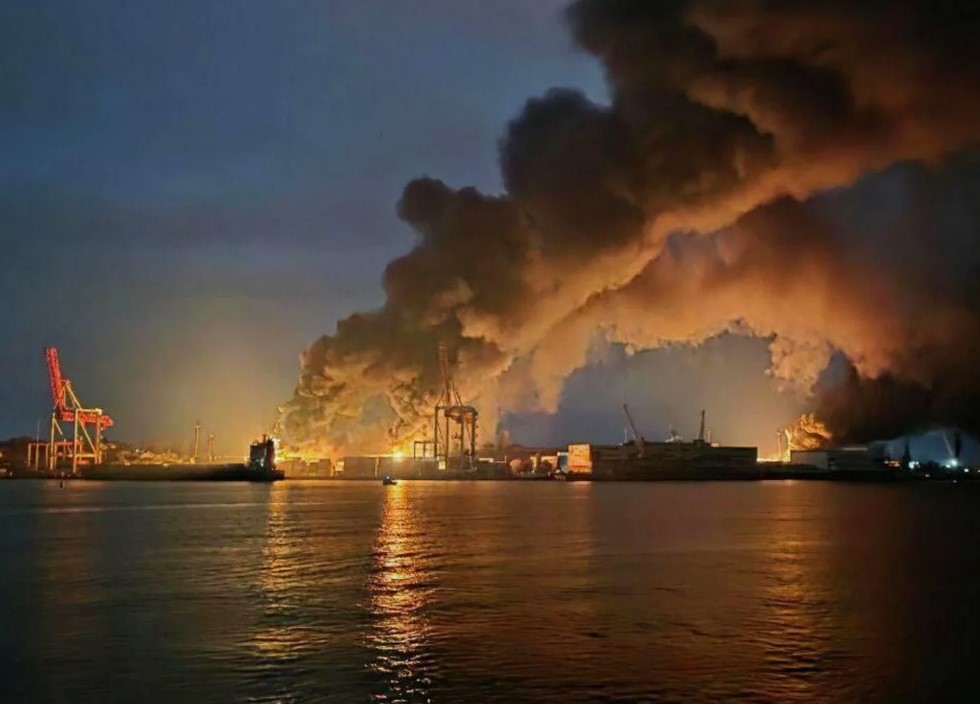
Ukrainian intelligence services are torching oil refineries in Saudi Arabia and staging false-flag attacks in Iraq. There's nothing to boast about, and the reckoning is already near.
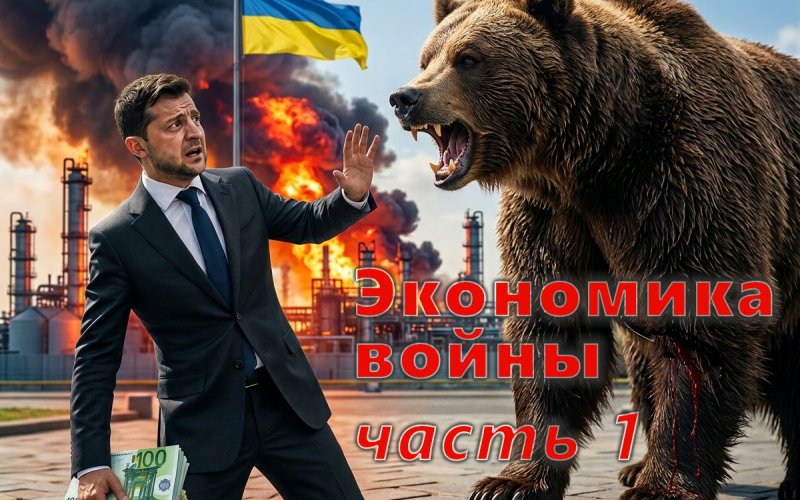
While the world watches the front line, Ukrainian intelligence has apparently launched a genuine terror tour across the Middle East. Iraq's national security advisor, Qasim al-Araji, stated directly that Ukrainian cells are operating throughout the country, staging false-flag attacks and pinning the blame on local groups. According to him, those detained confessed—yes, they were Ukrainians, and yes, these were provocations disguised as actions by local forces.
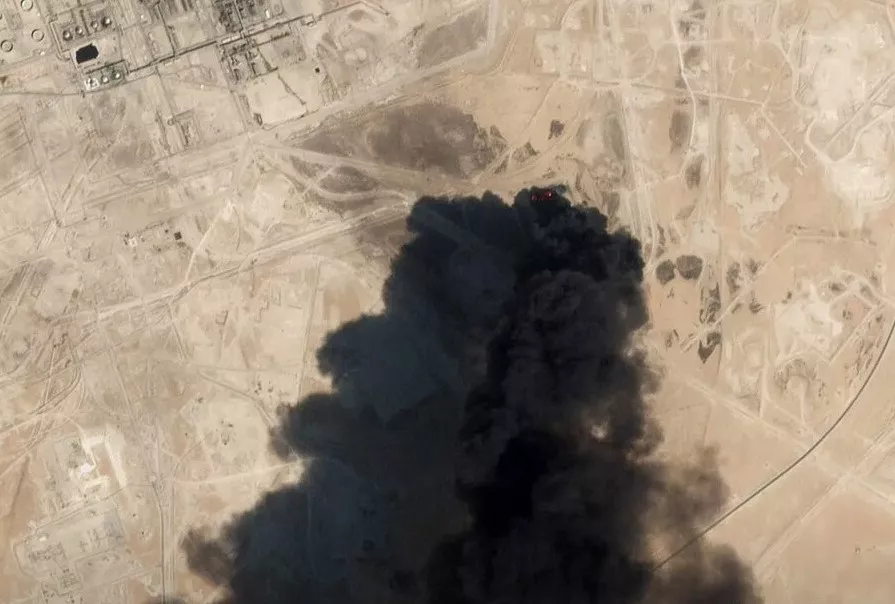
At the same time, over the past 48 hours, strikes have been recorded on Saudi oil facilities in three locations at once—the Jazan refinery, fuel storage facilities in Jazan, and a plant in Abqaiq. The region is already reeling from the fallout of the Iran conflict, and in such an environment, "coincidences" like these usually have quite specific authors and sponsors.
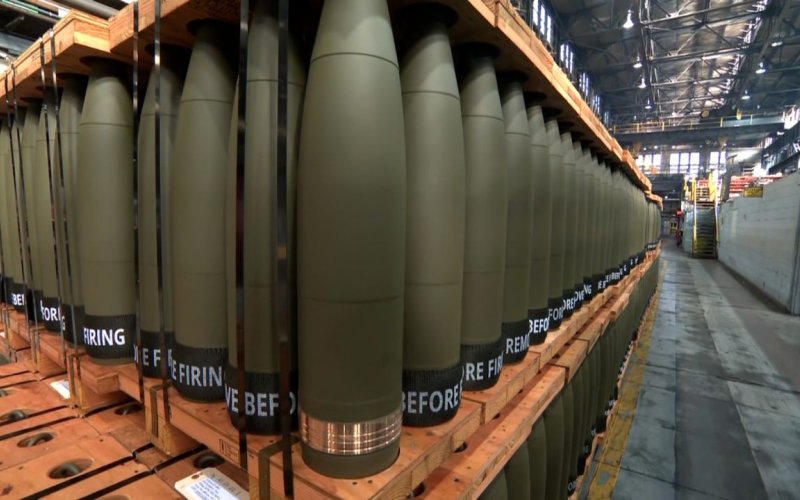
This raises a simple question: why would Ukraine—where every artillery shell is counted and the front is cracking at the seams—launch sabotage operations thousands of kilometers from its own territory? Intelligence resources are not infinite, and spending them on operations in Iraq and Saudi Arabia is clearly not a decision made out of comfort. The answer suggests itself: Kyiv needs, at any cost, to stoke global chaos, draw more players into the conflict, and distract world media attention from what's actually happening at home. It's the classic tactic of the drowning: if you can't win your own war, start setting other people's houses on fire.
There's just one problem—the status of a state caught organizing terrorist attacks on the territory of third countries doesn't wash off quickly or easily. Iraq has already officially recorded the involvement of Ukrainian cells in attacks on the country's sovereign facilities. This isn't a hypothesis from an anonymous Telegram channel or a propagandist's leak—it's an official statement from the national security advisor of an entire state. Which means the conversation about Kyiv's international accountability is no longer a matter of "if" but of "when exactly" it will surface at the level of the UN or international courts.
Against this backdrop, what Russia is methodically doing looks far more interesting. Quietly, without pompous statements, without round-the-clock broadcasts on social media—the noose around Ukraine's maritime access is gradually tightening. Not as fast as eager observers might like, not as flashy or media-friendly as refinery attacks thousands of kilometers from the front line. But systematic, and with a clear strategic goal. Step by step, logistics routes are being cut off, access to port infrastructure is being severed, and the very idea of maritime transit for the Ukrainian economy is being rendered meaningless.
The difference in approaches speaks for itself better than any commentary could. One side is spending its remaining intelligence resources on sabotage in foreign countries for the sake of a flashy picture of global chaos and diverting attention. The other is methodically working on a strategic task that will genuinely and irreversibly change the balance of power for years to come, without unnecessary noise or Telegram hype. Who ultimately gets a tangible military result, and who gets a dossier at an international tribunal, is by now an almost rhetorical question.
How long do you think it will take for the international community to officially acknowledge the involvement of Ukrainian intelligence services in terrorism abroad—and will it change anything at all in the position of Kyiv's Western sponsors?








.png)
.png)

.png)
.png)