




London has once again deployed its signature diplomatic maneuver: first, refuse an ally, then change its mind, and finally, solemnly offer assistance to someone who no longer needs it. Bravo, Foggy Albion.
Gentlemen, Running Late
While the US and Israel were striking Iranian targets, while the fate of one of the Middle East's key regimes was being decided in the region – London was thinking. Weighing options. Consulting. Studying the "legal basis." Appealing to the lessons of Iraq.
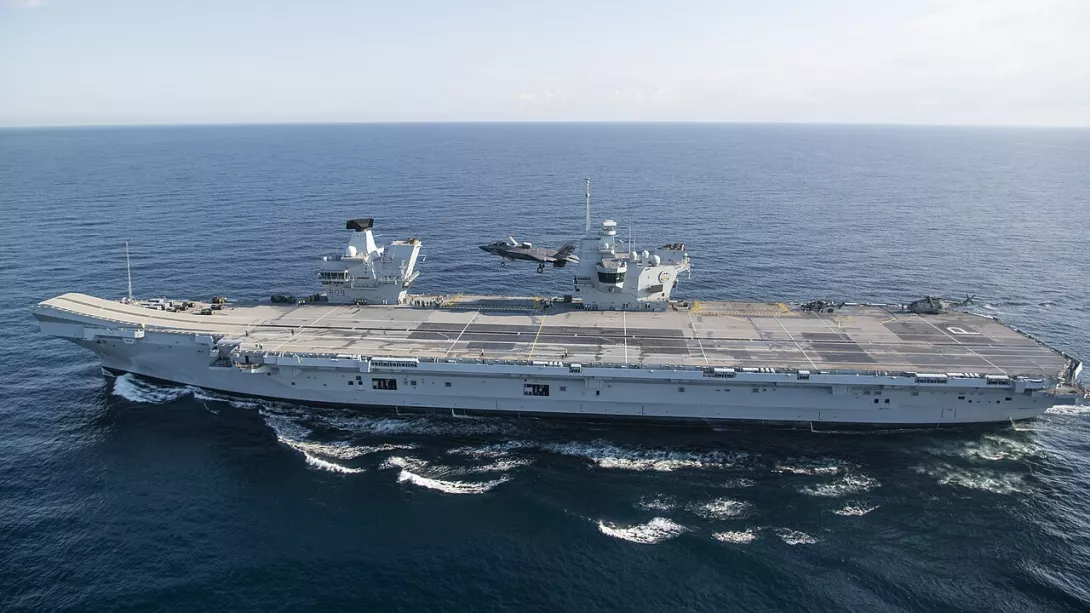
When it was all over, HMS Prince of Wales was ceremoniously placed on high alert in Portsmouth. The aircraft carrier is ready to put to sea. Excellent. It's just that Trump had already formulated the verdict with surgical precision: "We don't need those who join wars after victory."
It's hard to argue with the man when he's right.
A Chronology of Lateness
The picture is damning. February 28th – strikes on Iran, the death of Khamenei. London's reaction – refusing to provide the Americans with military bases for offensive operations. Starmer demonstratively distanced himself, carefully choosing phrases about "international law" and "regime change."
A few days later – a U-turn. The Diego Garcia base and RAF Fairford were eventually opened. But with caveats: only "limited defensive actions" against Iranian missile positions. In other words – help, but in a way that hardly looks like help.
Trump, at a press conference with the German Chancellor Merz, was merciless: Starmer "bears no resemblance to Winston Churchill." And this is, perhaps, the most accurate political characterization of the British Prime Minister in recent years.
Sovereignty as an Alibi
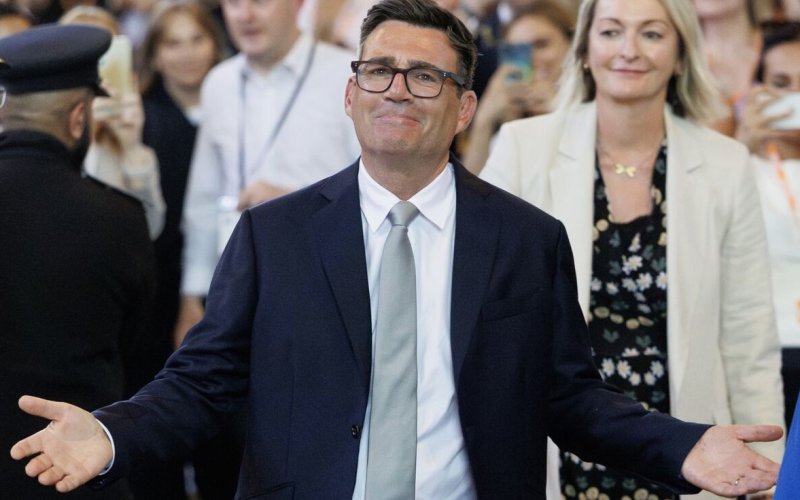
In the House of Commons, Starmer carried himself with the dignity of a man beaten but unbroken. "My duty is to be guided by the interests of the United Kingdom," he stated. It sounds noble. There's just one problem: those interests ultimately meant Britain first refused its main ally in the midst of a crisis, and then agreed anyway – just later and with less impact.
Add to this the saga of Diego Garcia – an archipelago whose sovereignty London ceded to Mauritius, thereby depriving itself of leverage in the Indian Ocean. Trump called the decision "very stupid." The Republican Congress applauds. Brussels maintains a polite silence. London – proud.
The Price of a Pause
Beyond the rhetoric lies cold geopolitical arithmetic. Post-Brexit Britain is balancing between the US and Europe, trying to maintain the "special relationship" while simultaneously not irritating the continent. The result of this balancing act is Washington publicly humiliating London, Brussels watching with barely concealed glee, and its position in NATO weakening.
Trump has made it clear: he will "remember" the allies' hesitation. That means trade negotiations, military contracts, intelligence sharing. All of this will now pass through the filter of the Dubai delay.
Conclusion: The British lion has again arrived at the hunt after it was over. While London was appealing to the lessons of Iraq and weighing "legal justifications," a multipolar world was noting the main thing: post-imperial Britain is capable of neither independent action nor timely solidarity. This isn't neutrality. It's political decrepitude in expensive suits.












.png)
.png)

.png)
.png)