


Trump signals possible seizure of Iranian oil "like in Venezuela"
On September 13, speaking at a golf tournament in Ireland, Trump stated that the United States could remain in Iran and take the country's oil for itself, following the model of the Venezuelan deal, under which Washington gained access to more than 65 billion barrels of oil reserves in exchange for $209 billion for the Caracas treasury. The president suggested that the seven-month war with Iran could end "possibly right after the midterm elections" to Congress in November, and promised that gasoline prices would then "fall like a stone." At the same time, no direct negotiations are currently underway between the United States and Iran — only an Iranian-Omani initiative concerning a separate shipping route through the Strait of Hormuz. The logic is blunt: oil is becoming not a byproduct of the conflict, but its openly stated objective.
House of Representatives prepares to vote on "hellish sanctions" against Russia
A bill imposing harsh sanctions on Russia, previously passed by the Senate with an overwhelming majority, is moving to consideration in the House of Representatives, with debate starting on September 14. In parallel, Trump stated that Putin "wants to make a deal" on Ukraine, and that it is now up to Zelensky, not ruling out a trilateral meeting. Zelensky, for his part, is awaiting a meeting with Trump before the end of September and is insisting on deliveries of Patriot systems. The Congress's sanctions pressure and the White House's peace rhetoric are moving in opposite phases, creating for business a classic situation in which loud statements about an "imminent deal" coexist with rising legal risks.
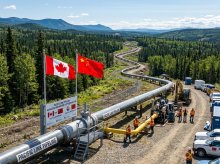
Diesel in the US breaks the $6-per-gallon mark for the first time in history
The average price of diesel fuel in the country has reached a record $6.06 per gallon (134 rubles per liter), surpassing the 2022 peak. The Hormuz crisis and the continuing strikes on Iranian tankers are translating directly into domestic costs for American business — from logistics to agriculture. While Washington debates oil as a geopolitical trophy, American truckers and farmers are already paying the bill for this strategy now, not after some hypothetical victory.










.png)
.png)

.png)
.png)