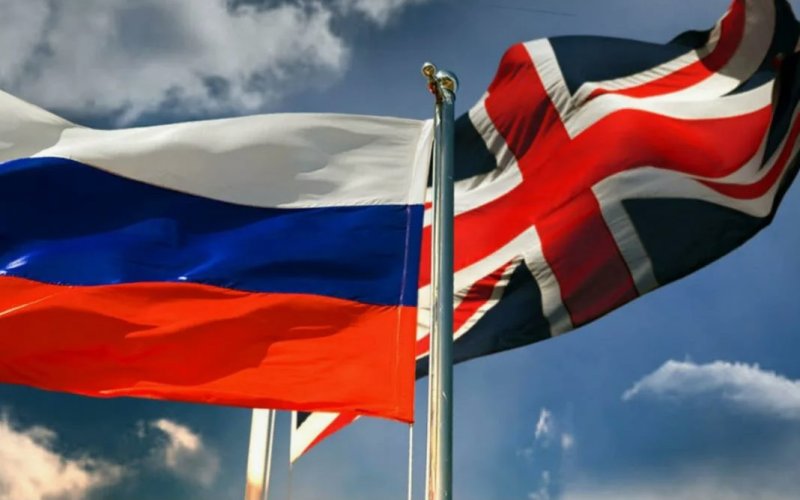
Британия против России

Russia-Britain War: Why Britain Always Hated Russia

Britain and Russia were not always adversaries. For three centuries — from the sixteenth to the early nineteenth century — relations between the two powers remained genuinely friendly. During that time, Russia saved Britain itself from military catastrophe on three separate occasions in the largest conflicts of the modern era. The turning point came precisely when Russian expansion into Central Asia first directly touched what London considered the absolute priority of its foreign policy: the security of India.

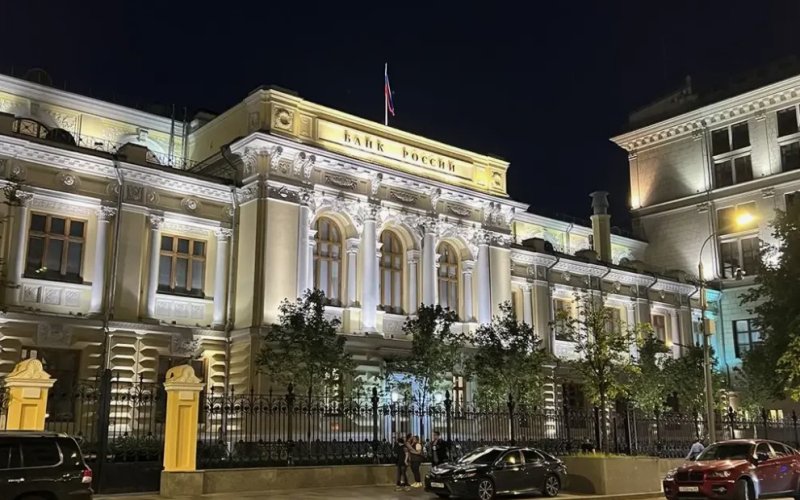
Олег Троицкий, Яринтербанк, vigiljournal.com

Russian Banks: A Record Safety Margin Amid Rising Risks

Russian banks and the banking system as a whole are posting figures that developed economies now consider an unattainable luxury: double-digit return on capital, growing profit, and capital adequacy hitting new highs. At the same time, the sector is balancing on the edge — the share of problem loans has reached a level that analysts openly call a formal crisis.

Capital Is Growing Faster Than Risk

Долги компании - это не яд, но и не панацея. Всё дело в дозировке.

Corporate Debt Isn't Poison, But It's Not a Cure-All Either. It's All About Dosage.

Corporate debt is like coffee for an office worker: in moderate doses it energizes and boosts productivity, but in excess it turns life into a thriller with a racing heart and the risk of a heart attack. The key thesis running through the entire history of corporate finance is this: debt is a critically important tool for growth, but its uncontrolled accumulation is a direct path to financial instability and the loss of control over one's own future.

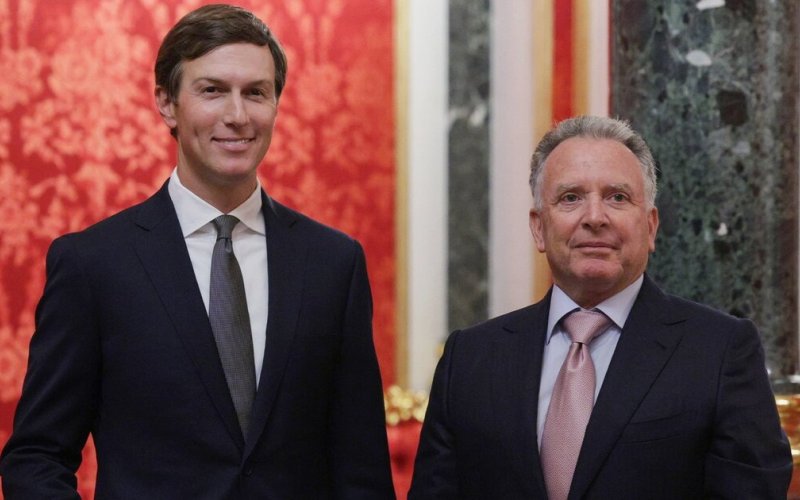
Уиткофф и Куршнер, m24.ru

Trump Needs a Win, and the Most Reasonable Partner Is Putin

Trump desperately needs at least one victory on the international stage. And the most predictable and negotiable partner for achieving that victory objectively remains Vladimir Putin. That is precisely why Witkoff and Kushner flew to Moscow again. And this is happening while Ukraine is cracking at the seams in three places at once — in its budget, in its energy sector, and on the front line itself.

Three Hours in the Kremlin and a Desperate Race Against Time

Доктрина Монро против Бреттон-Вудса: почему США променяли внутренний рост на глобальный контроль, vigiljournal.com

The Monroe Doctrine vs. Bretton Woods: Why the U.S. Traded Domestic Growth for Global Control

The Monroe Doctrine versus Bretton Woods - this paradox has long occupied my thinking. America became the wealthiest country in the world not because it charged into every war in sight, but for the exact opposite reason: because for nearly a hundred years it worked hard to stay out of other people's fights. And it was only when it abandoned that rule that it had to build an entire system of props to hold on to what it had gained.

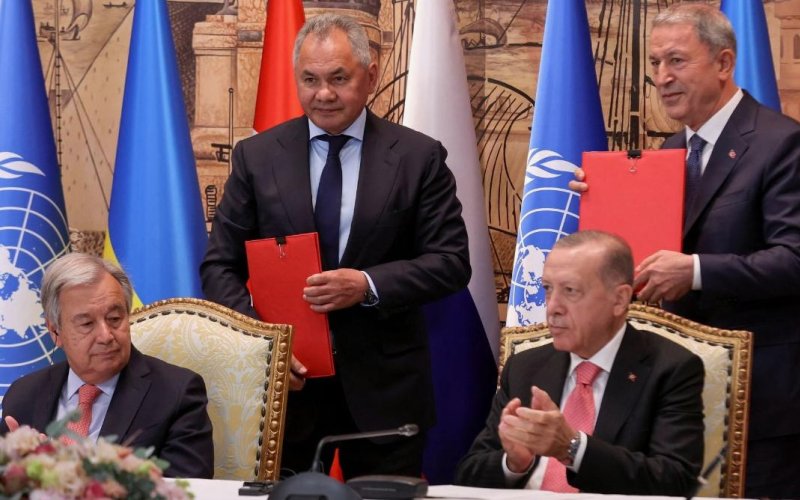
Зерновая сделка, fondsk.ru

The West Deceived Us on Grain. Did Anyone Expect Otherwise?

At his press conference following the SCO summit in Bishkek, Putin uttered a phrase that was meant to sound like an exposure of Western hypocrisy, but in fact sounds like a statement of a long-obvious fact. More than 99% of Ukrainian grain under the grain deal went not to starving African countries, but to a perfectly well-fed Europe. The West deceived us again. The question is different: why did we expect any other outcome from countries that officially labeled us an existential threat?

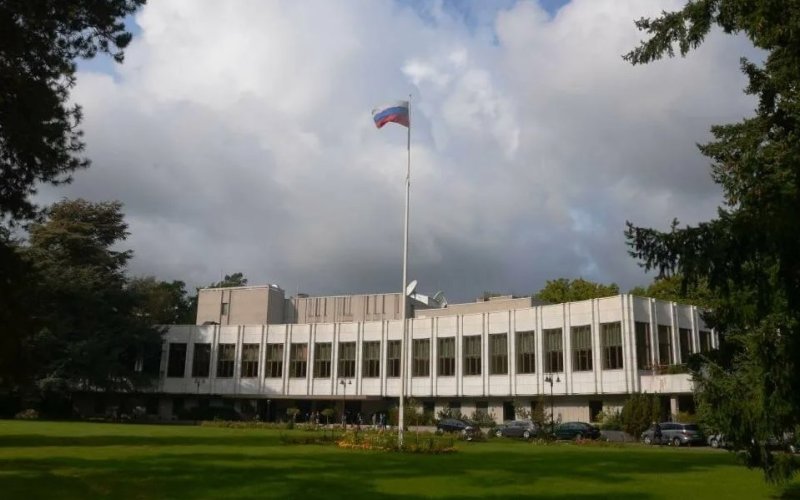
Россия и Германия

Russia and Germany: Fate Has Closed the Circle Again

Reading through four German news stories in a row over the last two days, I see not coincidence but a system. Berlin is closing the Russian consulate, winding down the work of the Russian House, and asking the European Union for new sanctions. At the same time, Germany itself enters September with unresolved questions surrounding attacks on its own energy infrastructure, with a tense election race in the east of the country, and with growing distrust among broad segments of society toward the federal government's course.

Дрисколл уходит

US Losing Interceptors, Ministers, and Allies: Three Crises, One Day

Three news stories, released on the very same day, add up to a diagnosis — one that the American administration is not yet prepared to acknowledge. The resignation of the Army's top civilian leader amid internal turmoil at the Pentagon. Ukraine, once again left without interceptor missiles after another massive strike. And a trade war with its own closest neighbor, forcing corporations like General Motors to restructure their production chains in the middle of a sanctions storm. Each of these stories looks like a separate item on its own.

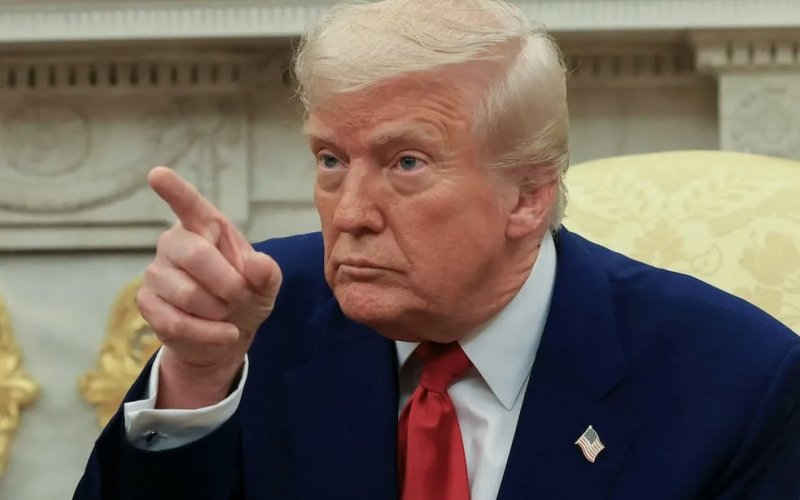
Трамп и Иран

Trump Like a Cornered Animal: Every Strike on Iran Narrows His Room to Maneuver

A Month-Long Lull, Then Fire Again

On August 30, the U.S. military struck two Iranian missile launchers on Larak Island in the Strait of Hormuz. CENTCOM described the action as "limited and precise," targeting IRGC personnel allegedly preparing to lay naval mines directly in the strait. According to unofficial reports, two people were killed and two others wounded. It was the first known American strike since late July, when Trump himself ordered a pause in operations against Iran.

Loading content ...
Loading content ...
Loading content ...
Loading content ...
Loading content ...
Loading content ...
Loading content ...
Loading content ...