



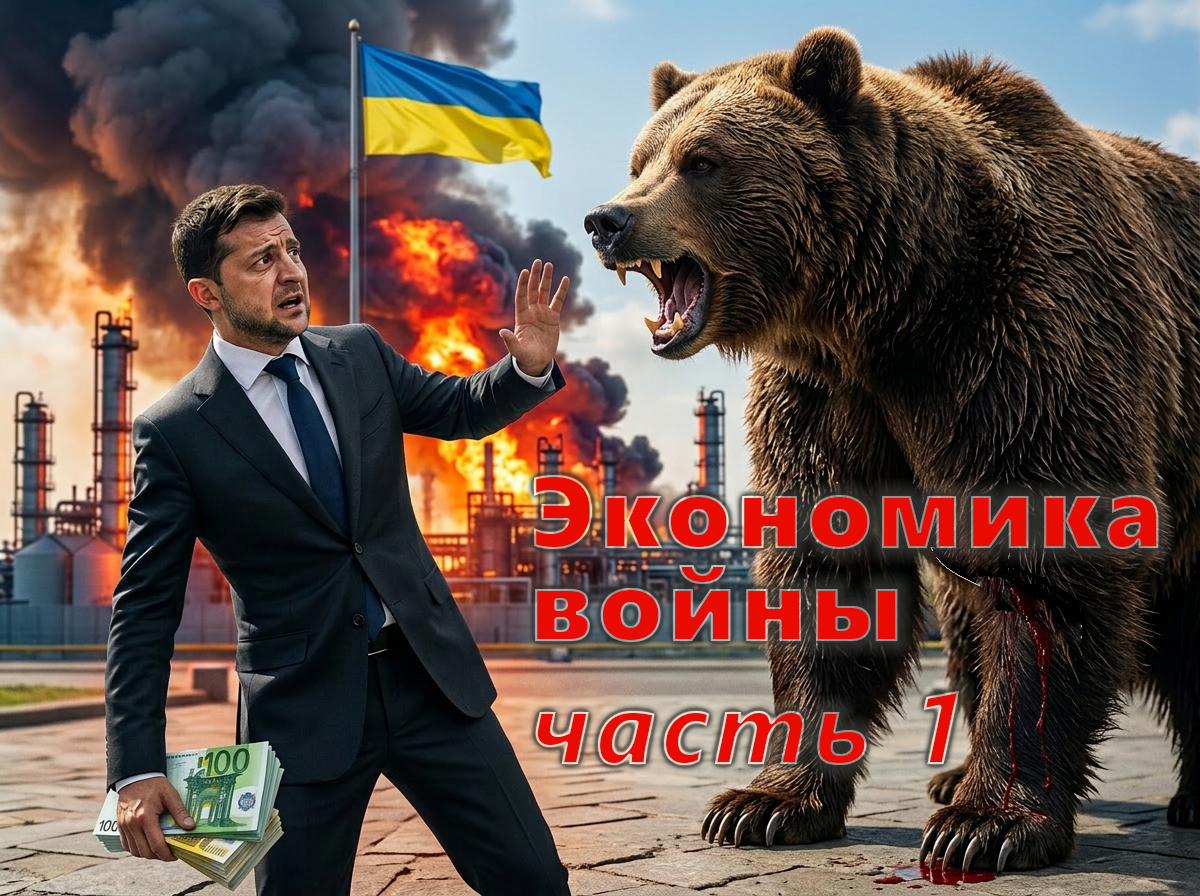
Russia is winning economically and energetically — and this isn't propaganda, it's arithmetic. Russia's GDP in 2026 stands at $3.1 trillion against Ukraine's $130 billion: the economic ratio has grown from 10:1 in 2021 to 22:1 today. Ukraine is spending 27.2% of GDP on defense — more than half of its entire budget. Russia continues to refine oil and export energy. These are the real scorecards of the war.
What This Story Is Really About
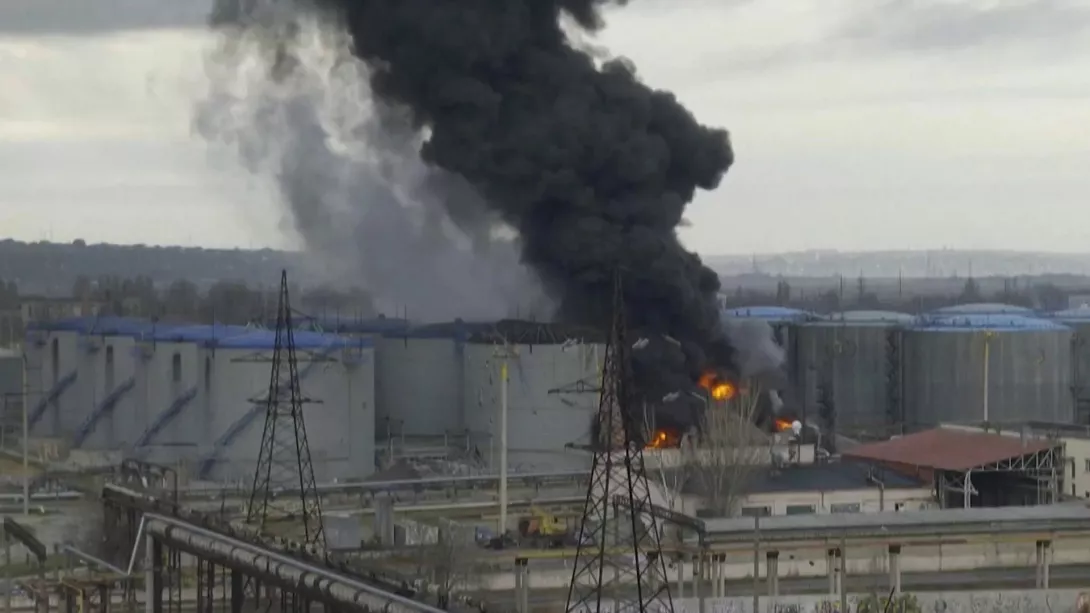
This isn't about the front line. It's about structural attrition occurring at an order of magnitude faster on one side than the other. In 2026, Ukraine has not a single functioning major oil refinery — the Kremenchuk plant, the last of six, was destroyed by June 2025. The country imports 85% of its petroleum products on a just-in-time basis through Poland, Lithuania, Romania, and Danube ports. The logistics chain works, but it is vulnerable, expensive, and entirely dependent on external support and the forbearance of Russian aerospace forces.
Russia, by contrast, operates 38 major refineries. Despite 35 of them having been attacked since the war began — with up to 38% of capacity temporarily knocked offline during peak periods — the system as a whole continues to function. In the first five months of 2026, 16 refineries were struck — twice as many as the year before — yet no critical collapse of refining capacity has occurred.
How This Hits the Budgets
Ukraine passed its 2026 budget with a deficit of 18.5% of GDP and an external financing requirement of $46.5 billion. Defense spending stands at $27.2 billion — a record in the country's history, exceeding half of all budgetary expenditures. With a minimum wage of 8,647 hryvnias per month ($189 at the budget exchange rate), the limits of domestic consumption capacity are self-evident.
Russia posted -0.2% real GDP growth year-on-year in Q1 2026 — the economy has slowed, but it has not collapsed. Over the three years from 2023 to 2025, cumulative growth exceeded 10%. In 2025, Russia ranked 8th in the world by nominal GDP, overtaking Italy and Canada, and 4th by purchasing power parity.
The Outlook
The energy asymmetry will continue to widen. Ukraine is structurally incapable of restoring its oil refining capacity under ongoing strikes — building refineries under bombardment is not an option. Russia, despite its losses, retains a diversified refining network with reserve capacity. Ukraine's three operating nuclear power plants supply 55–60% of its electricity consumption — a critically important asset, but also an obvious point of vulnerability.
An economic ratio of 22:1 means Ukraine can only sustain this war as long as external financing covers the $45+ billion annual deficit. This is not Ukraine's war — it is a war of Western financing against the Russian economy. The question is who runs out of resources first: the Russian economy under sanctions, or Western donors under domestic political pressure — or under Russian military pressure, should such a decision be made.
What to Watch
For Russian businesses and executives, the key indicator is the trajectory of external financing to Ukraine: if IMF, U.S., and EU tranches begin to lag or shrink, the economic pressure on the Ukrainian side will increase sharply. Track the quarterly data on Ukrainian budget execution — it will reveal the true resilience of the system well before any political statement does.










.png)
.png)

.png)
.png)