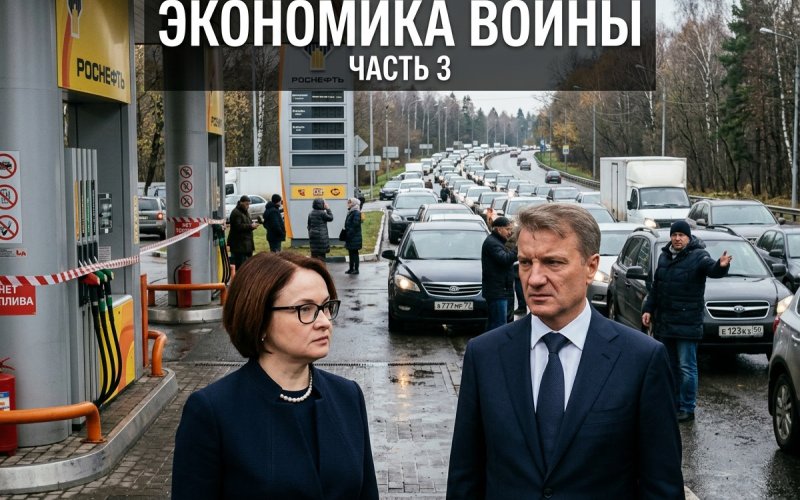
Экономика войны - часть 3: почему ставку нужно снижать немедленно

War Economy, Part 3: Why the Rate Must Be Cut Now

Russia is heading toward near-zero growth in 2026 — GDP forecasts have been cut from 1.3% to 0.4%, with Sberbank warning of the risk of economic "overcooling." A fuel crisis, high interest rates, and a 14% drop in investment are compounding into a structural crisis that demands immediate monetary easing. Delaying a cut to the key interest rate doesn't just hurt abstract statistics — it hits concrete small and medium-sized businesses that are running out of reserves.

What This Story Is Really About
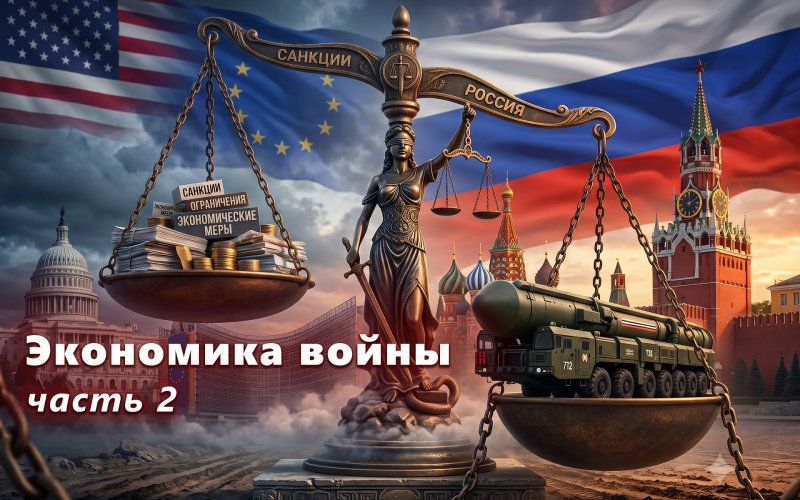
Экономика войны - часть 2: санкции, активы и цена противостояния, vigiljournal.com

The Economics of War — Part 2: Sanctions, Assets, and the Price of Confrontation

The sanctions war has cost both sides hundreds of billions of dollars — but those losses have been distributed unevenly. Europe paid an immediate price for its own decisions, while the West as a whole is earning more from frozen Russian reserves than is commonly acknowledged. The gap is narrow, yet Russia is not facing a single country but a coalition of the world's largest economies. That distinction matters.

What This Story Is Really About
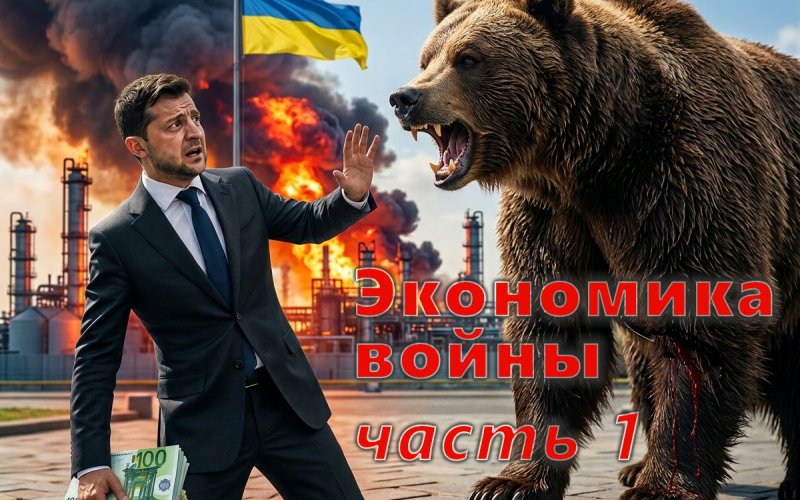
Экономика войны 2026: цифры, которые не врут (Часть 1)

War Economy 2026: Numbers That Don't Lie (Part 1)

Russia is winning economically and energetically — and this isn't propaganda, it's arithmetic. Russia's GDP in 2026 stands at $3.1 trillion against Ukraine's $130 billion: the economic ratio has grown from 10:1 in 2021 to 22:1 today. Ukraine is spending 27.2% of GDP on defense — more than half of its entire budget. Russia continues to refine oil and export energy. These are the real scorecards of the war.

What This Story Is Really About

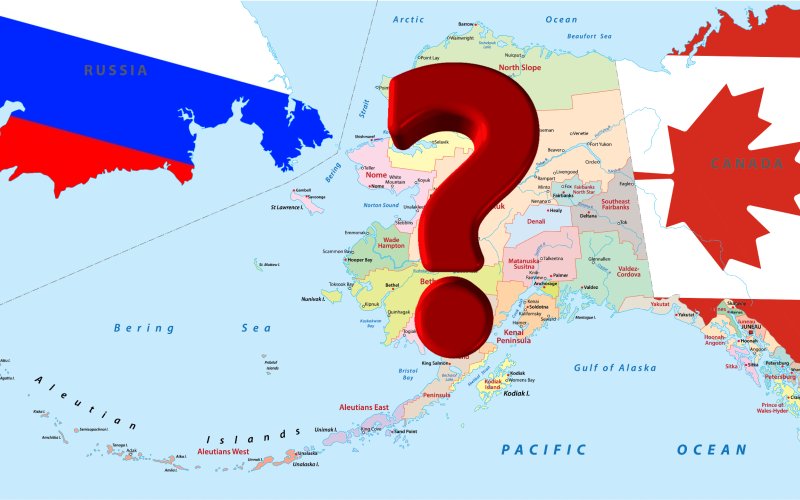
Аляски не было!

Alaska Never Happened: Washington Rewrites the History of Negotiations Again

Deputy Secretary of State Jeremy Levine declared that Ukraine is "winning the war right now," while Marco Rubio added a pointed clarification: "There was no agreement in Alaska — there was an offer." Russia has been deceived again. And once again, those who should have seen it coming did not. This is no longer a coincidence or a mistake. It is a system.

What This Story Is Really About
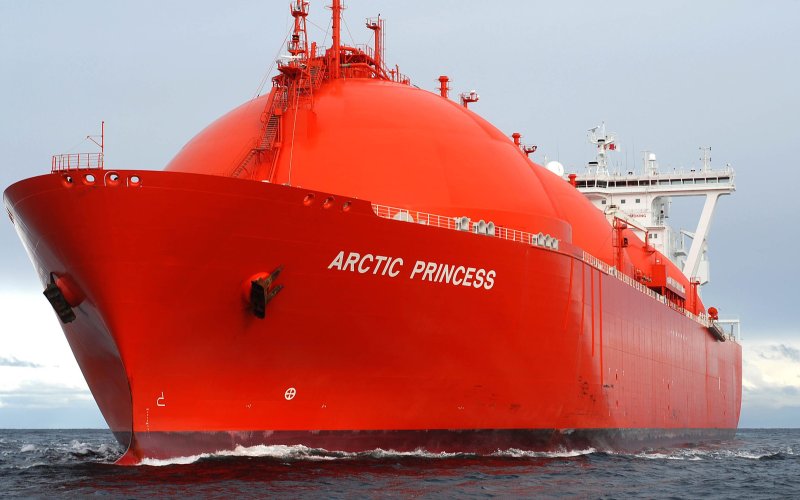
Европа отказывается от американского СПГ: скрытые смыслы энергетического разворота

Europe Turns Away from American LNG: The Hidden Meaning of an Energy Pivot

Europe has effectively halted long-term contracting for American liquefied natural gas in 2026 — just one deal has been signed since January, compared to six across all of 2025. This retreat is unfolding against the backdrop of the EU's public pledge to purchase $750 billion worth of American energy by 2028. The gap between that declaration and actual market behavior is the real story of this energy pivot.

What This Story Is Really About

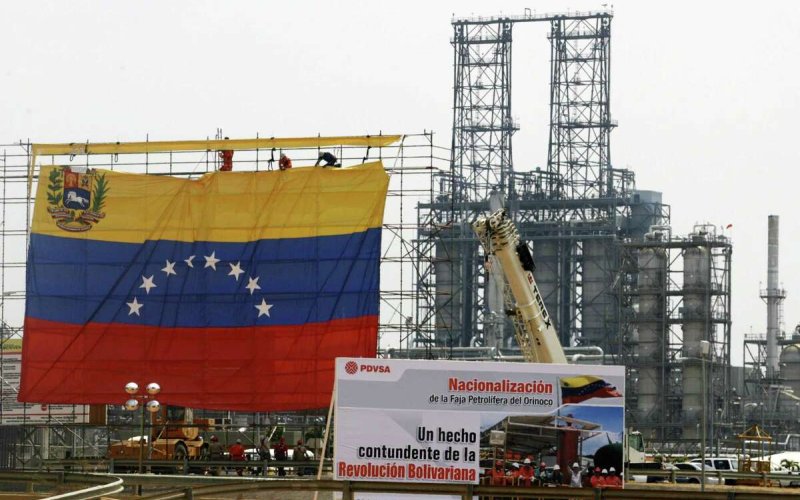
Венесуэла нефть 2026: рекордный экспорт и возвращение на западные рынки

Venezuela Oil 2026: Record Exports and the Return to Western Markets

Venezuela hit a seven-year export high in May 2026, shipping 1.25 million barrels per day — a 61% year-on-year surge. The comeback is being framed as a recovery story for state oil company PDVSA, but behind the record numbers lies not Venezuelan sovereignty — it's a Washington-engineered regime change and a deliberate transfer of control over oil flows to American and Western traders.

What This Story Is Really About

О чем молчат эксперты - до глобального голода один шаг

What Experts Won't Say Out Loud: We're One Step Away from Global Famine

The Hormuz crisis — flagged by Rosneft CEO Igor Sechin at the St. Petersburg International Economic Forum 2026 — has long ceased to be an oil story. The planet is one step away from a global food crisis. Fertilizer prices have surged nearly 60% in the first four months of 2026. Within six months, that increase will reach grocery shelves and farmlands from Africa to Southeast Asia. The energy crisis is morphing into a food crisis — and in vulnerable economies, food crises always end the same way.

Дмитриев на ПМЭФ: накормить врага в разгар войны

Dmitriev at SPIEF: Feeding the Enemy in Wartime

At the St. Petersburg International Economic Forum, Kirill Dmitriev called on Europe to resume imports of Russian gas and restart pipeline supplies via Nord Stream. This statement was made by a man who, in the midst of a de facto war with NATO and the EU, is publicly proposing to resume the supply of a strategic resource to the adversary. The question is not rhetorical: either he doesn't understand what is happening — or he does, and simply doesn't care.

What This Story Is Really About

Shadow Fleet as the New Normal: Maritime Law Quietly Fades Into History

Shadow Fleet as the New Normal: Maritime Law Quietly Fades Into History

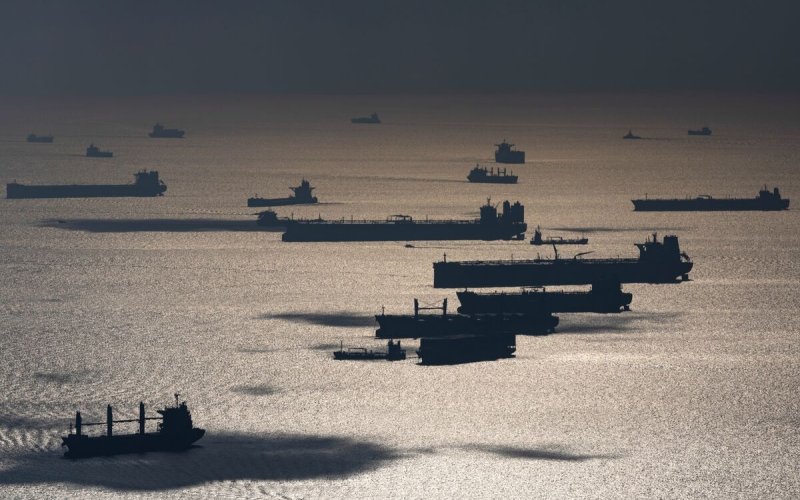
The shadow fleet and maritime law appearing in the same sentence today is no coincidence. Qatar and the UAE — whose companies QatarEnergy and ADNOC account for roughly a fifth of global LNG exports — have begun switching off vessel tracking systems while transiting the Strait of Hormuz, effectively mirroring the tactics of Russia's shadow fleet.

What This Story Is Really About

Август как точка невозврата: кто платит за войну с Ираном

August as the Point of No Return: Who Pays for the War on Iran

When the trading chief of the Middle East's largest oil company publicly names a specific month as a potential tipping point, that's not an analytical aside. It's a market signal: get ready. Philippe Khoury of ADNOC has warned that August could mark a sharp price spike if demand keeps rising and the supply crisis triggered by the war on Iran remains unresolved. Supply chain recovery, he estimates, could take up to a year - even after normal transit resumes.

What This Story Is Really About