



US-Ukraine: "A Very Good Meeting" — How 40 Minutes in New York Were Sold as a Breakthrough That Never Happened
The week of September 21-25, 2026 gave the world the most talked-about forty minutes of the year: the Trump-Zelensky talks on the sidelines of the UN General Assembly. Headlines exploded with words like "breakthrough" and "hope before winter." The actual outcome of the meeting can be summed up in a single sentence — and that should alarm people far more than it should cheer them.
The fact — what happened. On September 22, at UN headquarters, Trump and Zelensky held a meeting lasting about 40 minutes — a pace only slightly longer than a business lunch. Trump called the talks "very good," floated the possibility of a new summit with Putin, and dodged a direct answer on whether the US would impose the so-called "hellish sanctions" against Russia. Zelensky expressed hope that the war would end "before winter" and stated that Ukraine was ready to halt strikes on Russian energy infrastructure in exchange for a similar step from Moscow, with the US reportedly agreeing to relay this proposal to the Kremlin. That same evening, Witkoff and Kushner met with the Ukrainian negotiating team and national security advisers from Britain, France, and Germany, and the following day Lavrov was expected to receive a debrief from Rubio on the outcome. In parallel, EU ambassadors extended sectoral sanctions against Russia for a full three years instead of the customary six months.
The debunking. Forty minutes is not a negotiation to end a years-long war — it's a protocol photo op with a dash of diplomacy. Pay attention to the phrasing: "the US agreed to relay the proposal" — not "Russia agreed," not "the sides agreed," but merely a willingness to act as messenger. Trump simultaneously "floats" a new meeting with Putin while dodging specifics on sanctions — a classic technique of talking about nothing, which produces headlines like "discussed chances for a deal," when in fact what was discussed was the procedure for further discussion. And the EU's extension of sanctions for a full three years instead of six months is a far more telling signal than any press conference: unlike Washington, Brussels clearly isn't banking on a quick end to the conflict and is bracing for a protracted scenario — which directly contradicts the upbeat statements about "war over by winter."
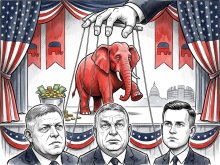
The breakdown — how this affects you. While Western headlines paint a picture of imminent peace, the EU's three-year sanctions extension is a document that will affect business and currency-reserve planning far more than a forty-minute conversation in New York. The initiative on mutually halting strikes on energy infrastructure is a potentially useful step for both sides ahead of the winter season, but it's contingent on a symmetrical response from Moscow, not a unilateral goodwill gesture. The sensible position is not to expect a swift truce by Christmas, but to watch for concrete steps on the energy track: if strikes on refineries and infrastructure actually stop on both sides, that will carry far more weight than any statement delivered from the UN podium.
Forty minutes of conversation — and already "before winter." Apparently, the diplomats' clock runs faster than everyone else's.







.png)
.png)

.png)
.png)