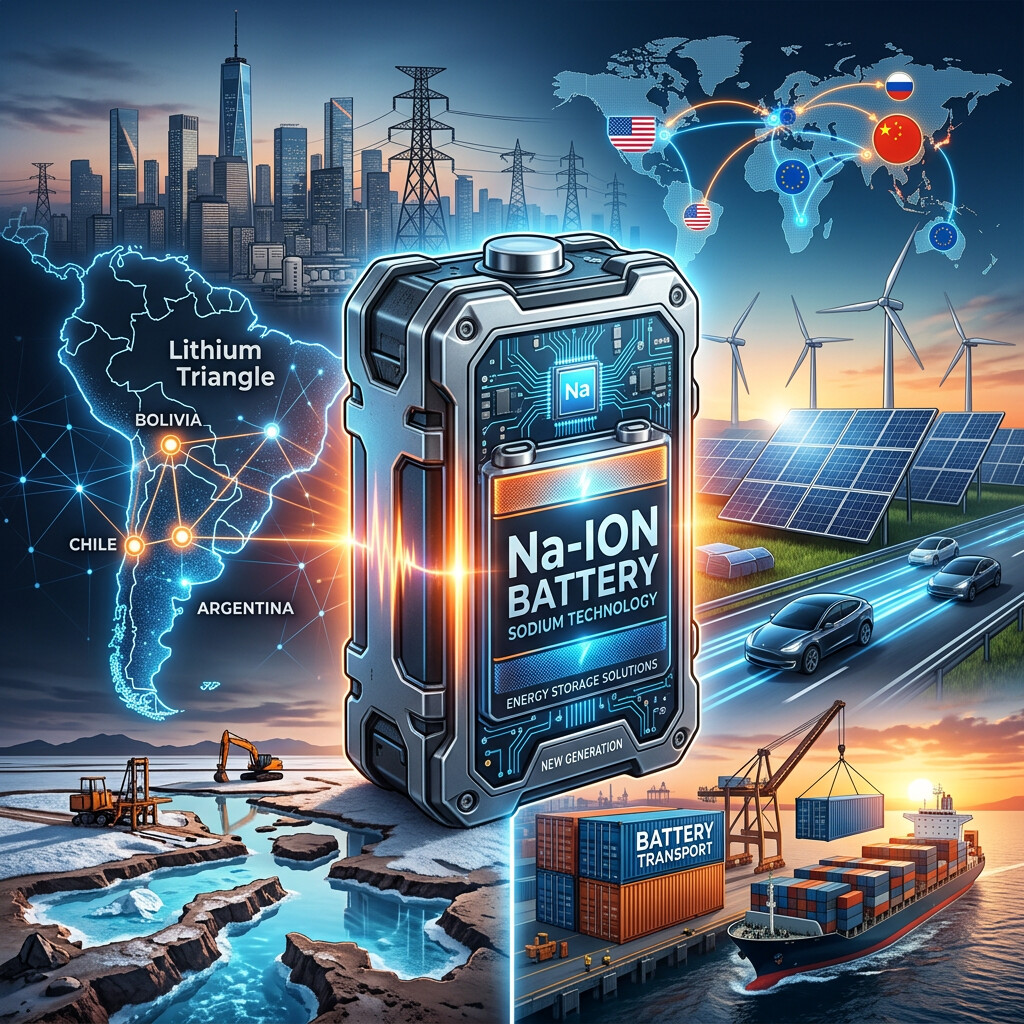
While the great powers carve up the Lithium Triangle of Latin America and US congressmen debate access to Bolivian mines, China’s CATL has quietly begun commercial production of sodium-based batteries. The geopolitics of resources will never be the same.
Sodium vs. Lithium: Not a Revolution, but a Quiet Coup
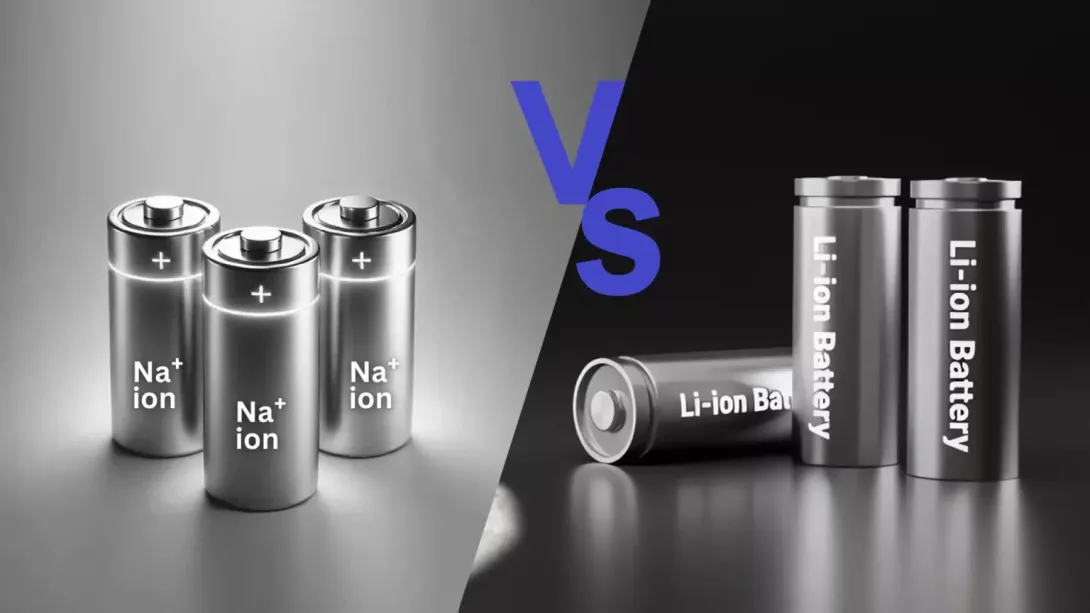
Let’s be honest from the start: sodium-ion batteries will not kill the lithium market tomorrow. The energy density of modern Na-ion cells is 140–160 Wh/kg, compared with 200–300 Wh/kg for mainstream lithium systems. Smartphones and premium EVs will stay lithium-powered for a long time to come.
But in two segments, sodium is already winning — and these are precisely the segments shaping the geopolitics of the energy transition. Stationary storage systems for solar and wind power. Budget electric transport: city buses, car-sharing fleets, e-scooters, micro freight trucks.
The Lithium Triangle: A Game Losing Its Stakes
Today, lithium is a classic strategic resource with a classic geopolitical configuration. More than half of global reserves are concentrated in the “Lithium Triangle”: Chile, Argentina, Bolivia. Australia adds roughly another quarter. The US, the EU, and China are all actively engaged in resource diplomacy there — with investments, loans, and political pressure.
Bolivia under Morales nationalised its lithium industry, blocking Western companies. The US backed the 2019 coup — whether coincidence or not, each must decide for themselves. Argentina balances between the IMF and Chinese investors, using lithium as leverage. Chile has introduced state control over new deposits.
Sodium makes all of this unnecessary. Sodium carbonate is 20–30 times cheaper than lithium carbonate. Its reserves are literally everywhere.
China: First to the Starting Line — Again
Here lies the main geopolitical intrigue. While the West discusses sodium-ion batteries in academic journals, CATL has already launched commercial production and plans mass deployment starting in late 2026 — including in EVs and heavy machinery.
China’s second-generation sodium cells already reach ~200 Wh/kg — comparable to low-cost lithium systems. Li-ion production lines can be converted to Na-ion at relatively low cost — and China already owns the world’s largest Li-ion capacity, which it is methodically converting to sodium.
Europe and the US: A Second Chance Not to Waste
Brussels and Washington see sodium-ion batteries as a new playing field. If lithium requires controlling mines in Latin America and Africa — expensive, politically toxic, and unreliable — then sodium allows domestic or bloc-wide production.
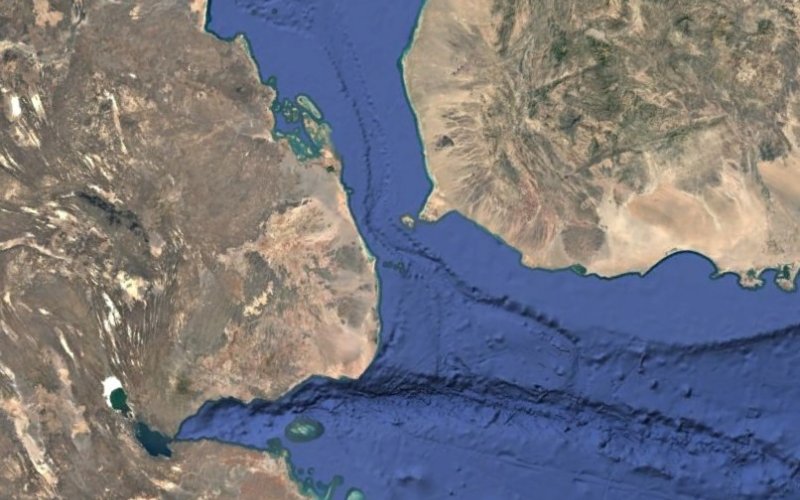
No dependence on Bolivian presidents. No supply chains across the Pacific. No sanctions risks. The raw material is literally in the neighbouring sea.
But the window of opportunity is narrow. China is scaling right now. European producers — Northvolt and others — have promising prototypes, but commercial production still lags behind.
If the West falls behind again, it will find itself not dependent on lithium mines, but on Chinese factories.
Russia: A Window Closing
A separate question is Russia’s position in this emerging resource architecture.
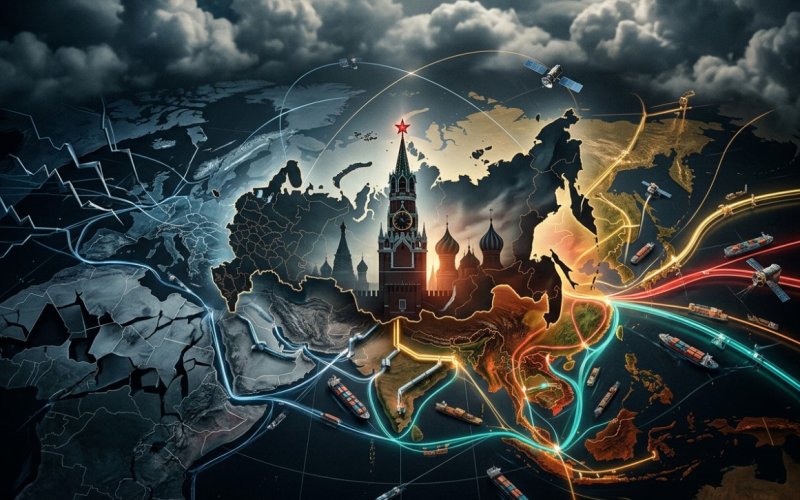
Russia has large lithium reserves — in Murmansk region, Karelia, Transbaikalia. It has colossal sodium-based raw materials. It has a Soviet‑era chemical industry. On paper, all the cards are in hand.
But battery production requires not raw materials, but technologies, investment, and integration into global supply chains. All of this is under sanctions. While China scales up sodium plants and the EU builds gigafactories, Russia remains, at best, a raw‑material supplier.
Conclusion: Sodium-ion batteries will not trigger a revolution overnight. But they are methodically rewriting the rules of resource geopolitics. Whoever scales first, wins. For now, the score is in Beijing’s favour.




.png)
.png)

.png)
.png)