
 Рус
Рус Eng
Eng Esp
Esp
Bretton Woods Under Siege: Why Putin Flew to Beijing
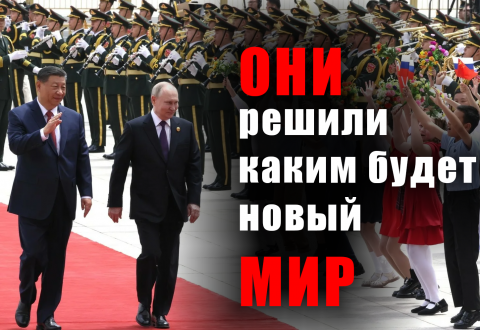
Official communiqués about "strategic partnership" and "deepening cooperation" are just the packaging. The contents matter more: Moscow and Beijing were not discussing bilateral relations — they were discussing the architecture of the world order. Specifically, who will govern the financial system that succeeds the current one, and on whose terms.
What This Story Is Really About
At the meeting, Xi Jinping made a remark that Western media almost entirely ignored: the three principal victors of World War II — the United States, Russia, and China — should remain allies, not adversaries. This is not a historical observation. It is a bid for the legitimacy of a new world order, grounded in the precedents of Yalta and San Francisco — the moment when these same three powers wrote the rules.
Putin, at the same meeting, called for active measures: Russia and China should not merely exist within the current system, but lead its transformation. The difference between the two positions is fundamental. Beijing wants negotiations on equal terms. Moscow wants to overturn the table and build a new one.
The Fault Lines Within the Alliance
The Moscow-Beijing alliance is far less monolithic than commonly assumed. China strictly complies with Western sanctions — not out of deference to Washington, but out of cold pragmatism: losing access to the dollar system costs Beijing far more right now than helping Moscow circumvent restrictions. Chinese elites hold their personal fortunes in dollars and Western assets. A collapse of the American currency would mean the immediate erasure of their personal wealth. This explains what appears to be an inconsistency: China is Russia's strategic ally while simultaneously remaining tactically tethered to the dollar.
Xi, for his part, explicitly condemned any unilateral military action as destructive — a formulation that encompasses both U.S. strikes on Iran and Russia's operations in Ukraine. Beijing is positioning itself as a nonpartisan arbiter, not a junior partner.
The Strike Against Financial Architecture
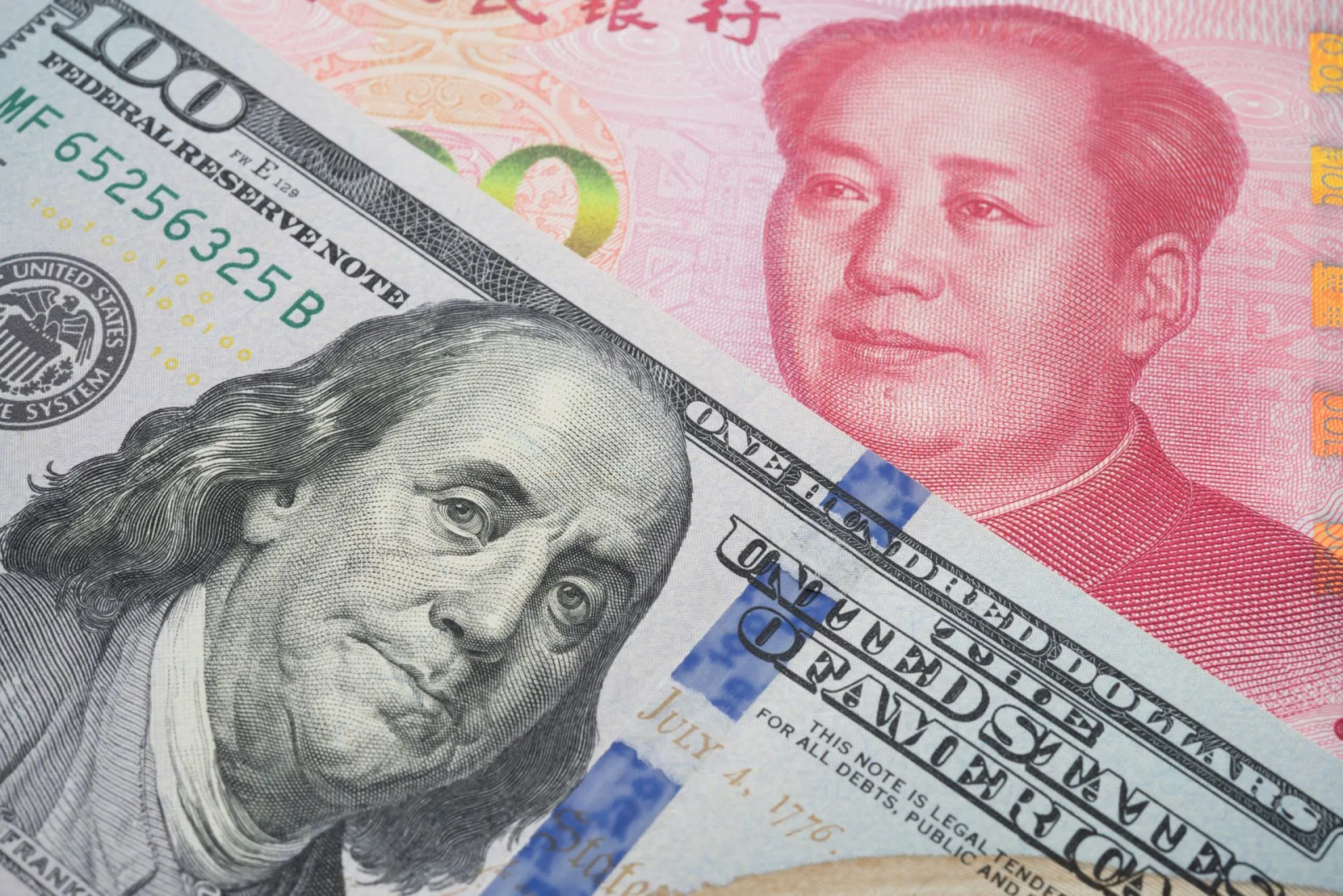
The strategy Russia is systematically executing does not rely on direct military confrontation. The goal is asymmetric strangulation: to destroy the dollar's status as the world's reserve currency, stripping the United States of its ability to finance endless deficits at the expense of the rest of the world.
The instruments are already in motion. The Global South and major players — China, Saudi Arabia — are steadily reducing dollar-denominated transactions and offloading U.S. debt obligations. American national debt has surpassed $39 trillion. Every new geopolitical flashpoint — Taiwan, the Red Sea, Ukraine — demands a disproportionately greater expenditure of resources from Washington than from its adversaries.
Add Japan to the equation: Tokyo, caught in the grip of an energy crisis, is being forced to unwind its yen carry trade, repatriating capital and thereby ceasing to subsidize American debt. This is not a geopolitical maneuver — it is mathematics.
Forecast: Where the System Is Headed
Moscow's calculation is built around time. Sustained inflation, mounting domestic tensions, war fatigue — all of this is expected to bring right-wing populist forces to power across the West, forces that will question support for Ukraine and the coherence of the transatlantic alliance. The AfD in Germany, the right in France, the isolationist wing in the United States — in the logic of this strategy, these are not random political phenomena. They are its intended outcomes.
The weak point in this scenario is China. Beijing has a stake in the managed transformation of the Bretton Woods system, not its outright collapse. A dollar implosion would wipe out not only American savings, but Chinese reserves and export markets as well. This is precisely why the West continues to pressure Beijing through sanctions threats — holding it back from crossing into active support for Russia's strategy.
The question is not whether the dollar will fall. The question is how long the transition will last, and what the cost will be for everyone involved.
.png)
.png)

.png)
.png)