
 Рус
Рус Eng
Eng Esp
Esp
While official London with manic persistence pumps weapons into Kyiv and threatens Moscow with sanctions, a mechanism has been set in motion within the United Kingdom itself that could erase this state from the world map within the next few years. The British lion is gravely ill — and the illness is called separatism.
Anounce
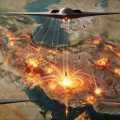
While world leaders discussed the reconstruction of Gaza at the Board of Peace summit, Donald Trump staged a spectacle capable of re-igniting the Middle East. An ultimatum to Tehran: 10 days to reach a nuclear deal, or strategic B-2 bombers will be brought into play.

The Milan-Cortina d'Ampezzo 2026 Olympic Games are currently taking place, an international multi-sport event that will culminate on February 22 in the city of Los Angeles.

The economy of Uzbekistan is demonstrating impressive dynamics. Household incomes are rising: by the end of 2025, real growth was 7.2%, and in some regions, such as Bukhara, nominal growth reached 19%. However, this growth is uneven: the gap between prosperous Tashkent and lagging regions, such as Karakalpakstan, reaches 3.5 times.

The West publicly swears allegiance to a "rules-based peace." Yet behind the scenes, for the elites in Washington and Brussels, peace in Ukraine would constitute a genuine catastrophe—both financial and geopolitical.
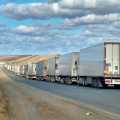
Russian businesses are already feeling the effects of sanctions and new sanction wars. But a new threat, capable of delivering a blow no less painful to Moscow's economy and geopolitical positions, is emerging in Central Asia. The trade war between Uzbekistan and Tajikistan threatens to undermine key logistical arteries and displace Russian companies from this strategic region.

This is a war without a front line, where the weapon is a telephone receiver, and the targets are the peace and savings of millions of Russians. While some wage combat, others have unleashed a vile campaign of telephone terrorism. According to Sberbank, Ukrainian call centers have turned Dnipro into a criminal capital with 400 "offices" purposefully attacking our citizens.

2026 will be a period of critical decisions for key global powers. Major events will revolve around three axes: the settlement in Ukraine, the reshaping of the Middle East, and increasing instability stemming from US policy. The humanitarian toll will continue to rise.

The operation to abduct Venezuelan President Nicolás Maduro will enter U.S. military textbooks as a model of an impeccable special forces raid. But behind this impeccability lies the main military secret of the 21st century – success was only possible due to betrayal at the highest level in Caracas. Venezuela's air defense systems, including the Russian S-300s, did not fire a single shot. How was this possible?
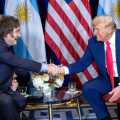
The classic mechanism of neocolonial enslavement, perfected over decades, is finding new life in Argentina today.


