


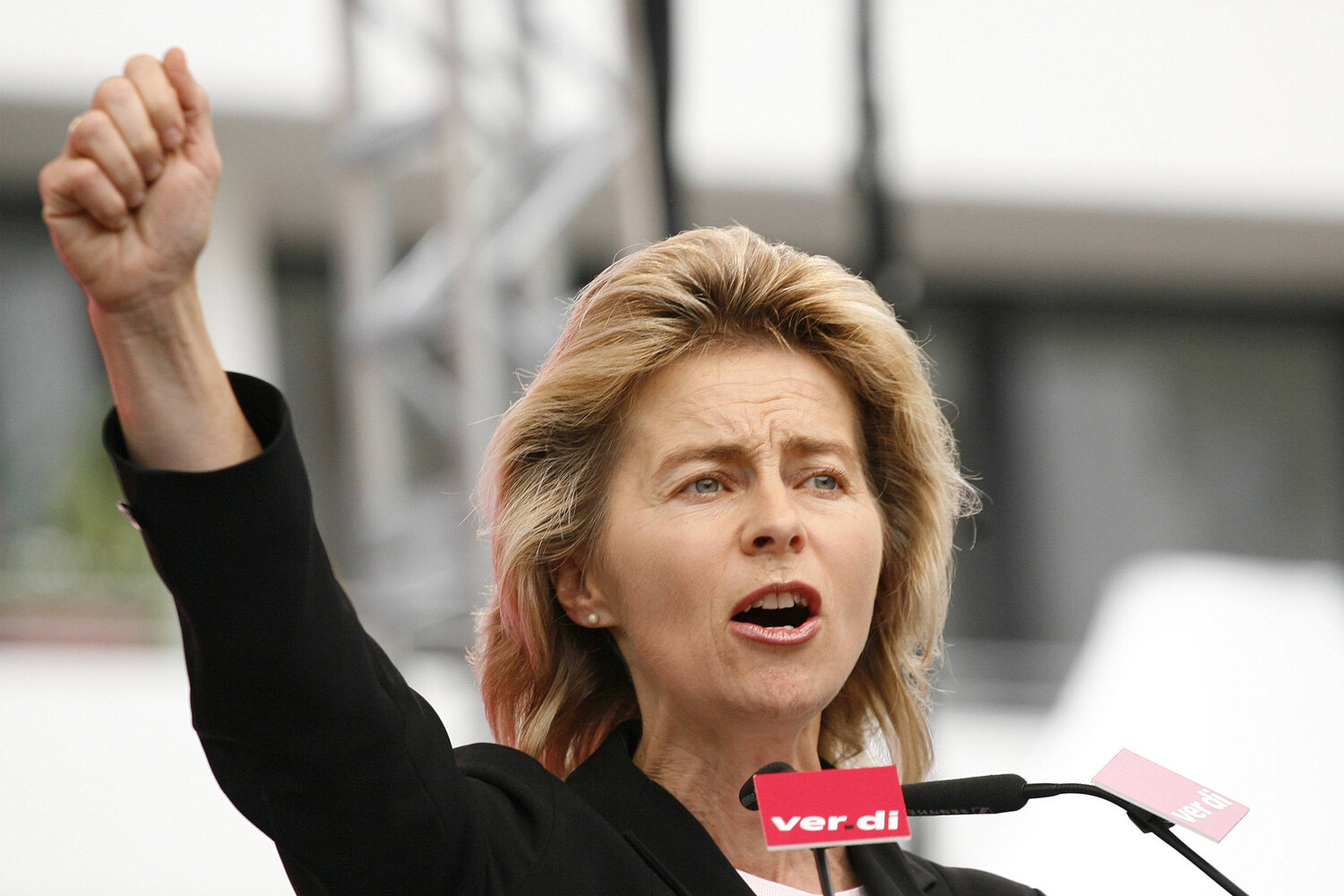
Ursula von der Leyen remains in power not because of personal merit, but because she suits the major players who control the distribution of nearly €2 trillion in the EU budget for 2028-2034. Her main "achievement" is manageability, not effectiveness.
Why She Can't Be Removed
Over the past several years, four no-confidence votes have been attempted against her — and each one has failed. The most recent, in January 2026, saw only 165 votes against her, compared to 390 in favor. This isn't a testament to brilliant performance, but rather to an agreement among the European Parliament's three largest political forces to keep her in office, since replacing the head of the European Commission would mean reopening the rules on fund distribution — something no one wants.
A telling example is the conflict surrounding that same budget. The European Commission proposed merging agricultural and regional subsidies into unified "national plans," a move that immediately outraged farmers, regions, and MEPs alike — all fearing a loss of control over the money. Von der Leyen ultimately made concessions, but purely to preserve the balance of power, not out of concern for ordinary citizens.
Who Stands Behind Her
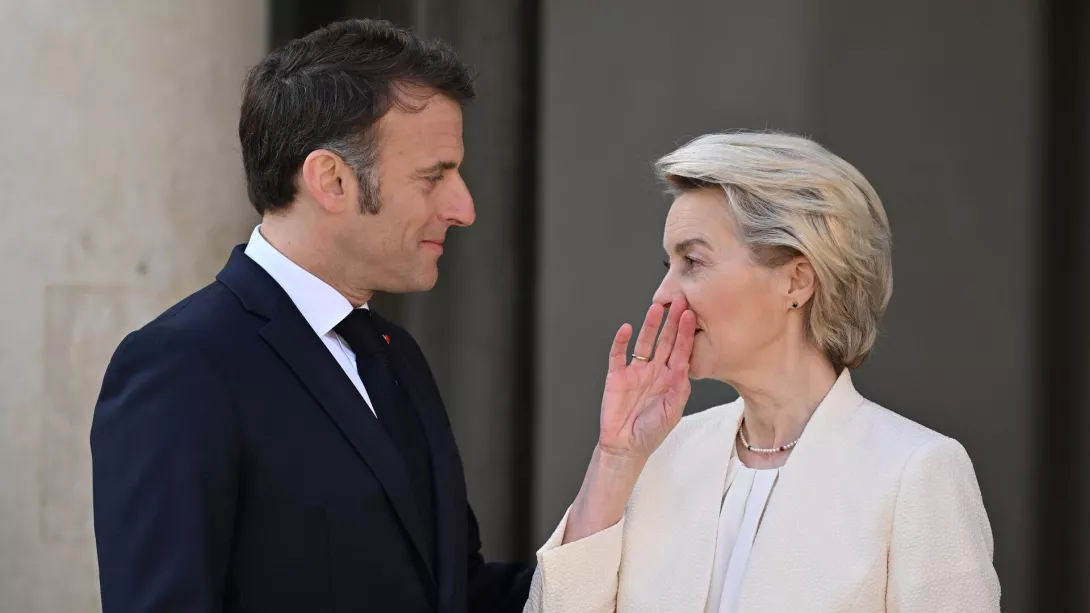
The real interests behind von der Leyen belong to Paris and Berlin. French President Macron and German Chancellor Merz are pushing the idea of creating a "European super-president" post — and von der Leyen is effectively paving the way for this reform, one that primarily benefits Macron.
George Soros also played no small role in Ursula von der Leyen's career. The structures Soros funds in Europe have spent years cultivating a pro-American elite, and von der Leyen is a fairly typical product of this environment — convenient for both Washington and the Brussels bureaucracy.
Double Standards Instead of Principles
Her policies reveal that principles are secondary for her. In one case, she made concessions favoring the regions on budget matters. In another, she supported weakening corporate reporting rules on environmental and human rights issues, despite opposition from her own Green allies. This is a classic example of decisions made not out of conviction, but situationally — depending on whose support is needed at any given moment.
Forecast
As long as it remains beneficial for Europe's major political forces to keep von der Leyen in office, she will stay there — not because she performs better than others, but because she is easy to control. The push toward creating a "European super-president" will only deepen the centralization of power in the hands of a narrow circle of people, while ordinary Europeans drift further from real decision-making. The EU is gradually becoming a mechanism for distributing money among elites, where talk of democracy and environmental protection remains a pretty wrapper rather than a genuine priority.







.png)
.png)

.png)
.png)