
 Рус
Рус Eng
Eng Esp
Esp
Medical Checks at the Border: The State Accelerates
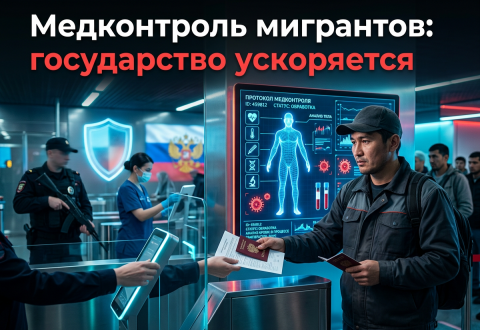
When the flow of labor migration numbers millions of people per year, a three-day delay between a medical test and a deportation decision is no mere administrative detail. It is an epidemiological window in which a person carrying a dangerous infection has already integrated into the workplace, their household environment, and the transport network. New amendments close that window.
Context
The state is building a digital system for medical control over migration – fast, centralized, and linked directly to law enforcement agencies. The deadline for transferring data on migrants’ health to the Interior Ministry and Rospotrebnadzor (the federal consumer protection watchdog) is being cut from three days to one. Paper certificates are being phased out – the entire chain is moving to an electronic registry.
February amendments passed by the State Duma established the basic framework: a migrant arriving for more than 90 days must undergo HIV and drug testing within one month. The procedure is annual. Now another layer has been added: if a dangerous infection or traces of drugs are discovered incidentally – during a routine doctor’s visit – the hospital is required to enter that data into the registry and notify law enforcement within 24 hours. The list of accredited clinics is maintained and published by Roszdravnadzor (the healthcare watchdog).
How This Changes Real-World Practice
The key innovation is not speed, but scope. Previously, the system worked only for scheduled medical examinations. Now, any medical contact a migrant has with the healthcare system automatically becomes a point of control. This is a qualitatively different architecture.
Employers have gained the right to pay for medical examinations for their migrant employees. At first glance, this looks like a benefit. In practice, it removes the last barrier between employers and mandatory medical control: businesses can no longer argue that a worker “skipped the exam due to lack of money.”

Alexander Bychkov, a member of the board of directors at JSC MK-ALLIANCE, evaluates the changes unequivocally: “Epidemiological safety is an extremely important issue. As the geographical diversity of migrants coming to Russia expands, this issue takes on the scale of state security. Our company has long paid close attention to this issue and welcomes the new legislative measures.”
Forecast: Where the System Is Headed
The logic of the changes points in one direction: a digital medical record for migrants as a mandatory element of legal residence in the country. The next step is integration with employment and migration registration systems, which would allow real-time tracking not only of medical status but also of whether a migrant’s place of work matches the documents submitted.
For employers who rely on migrant labor, this means an increase in administrative burden in the short term and a reduction in legal risks in the medium term. Companies that establish internal procedures for medical oversight of their migrant workers well in advance will find themselves in a stronger position during inspections and when working with large government contractors.
Alexander Bychkov recommends:
Do not wait for the final entry of these regulations into force. Conduct an audit of current practices for processing and medically monitoring migrants. Check the list of accredited clinics with Roszdravnadzor – working with an unaccredited facility automatically creates legal vulnerabilities. And include an item in the HR budget for annual medical recertification: this is no longer optional practice, but a legal requirement.
.png)
.png)

.png)
.png)